AMD makes sixth-generation EPYC server processors generally available
AMD made its Zen 6-based EPYC 9006 SP7 server processors generally available, with partner systems shipping and cloud instances still in preview or planned.
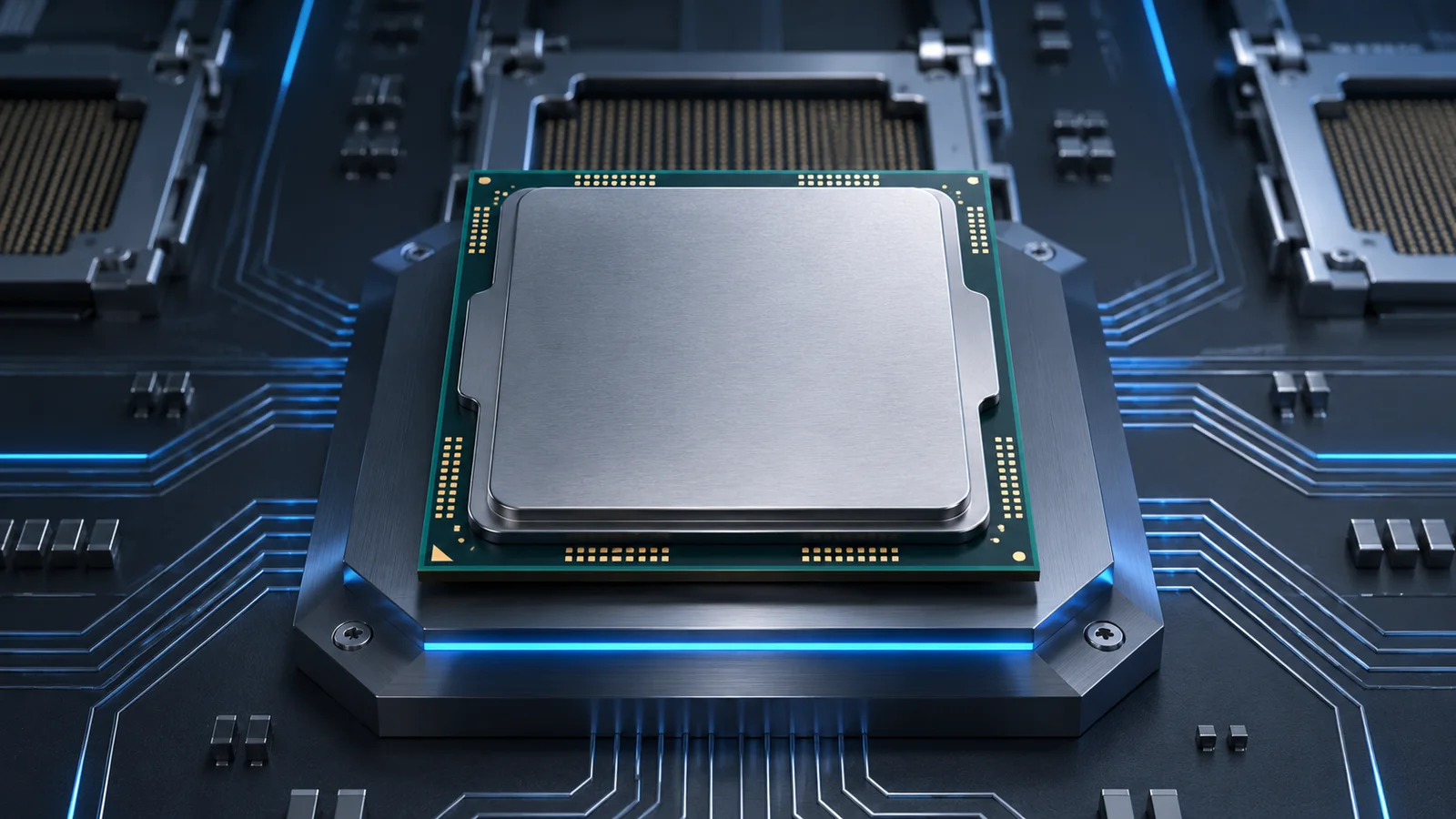
AMD made its sixth-generation EPYC 9006 SP7 server processors generally available on November 10, moving the Zen 6-based chips into shipping partner systems.
Supermicro separately said its EPYC 9006-powered H15 server portfolio is shipping. Dell lists PowerEdge R9815 and R9825 systems with one and two EPYC 9006 SP7 processors, respectively, while HPE lists a single-socket ProLiant DL525 Gen13. AMD said systems were shipping from server manufacturers more broadly, but that wider claim has not been confirmed vendor by vendor.
The SP7 product family scales to 256 cores and 512 threads per socket, with frequencies up to 5.3 GHz, PCIe Gen 6 connectivity and support for MRDIMM-12800 memory. AMD says that memory configuration can deliver up to 1.6 TB/s of bandwidth per socket.
AMD described SP7 as the first of four planned EPYC 9006 server families. Its launch blog says EPYC 9006 SP8, EPYC 9006X SP7 and EPYC 9006 LP will follow, although Supermicro’s shipping announcement also refers to ready-to-ship H15 systems across SP7 and SP8 sockets. The companies’ statements do not establish a clear commercial status for SP8.
Cloud availability is less advanced than the server rollout. AMD said Microsoft Azure HDv2 was in preview and OCI Compute E7 instances were upcoming; its main announcement characterized Azure and OCI instances as coming soon rather than generally available.
AMD claims a system using its top-end EPYC 9996 offers up to 2.2 times the performance and twice the performance per dollar of a system using Intel’s Xeon 6980P. Public SPEC CPU2017 results show integer-rate base scores of 5,470 for a two-socket Dell PowerEdge R9825 with EPYC 9996 and 2,510 for a two-socket Xeon 6980P system, a ratio of about 2.18 for that benchmark and those configurations. The performance-per-dollar figure has not been independently reproduced.
The company also claims the EPYC 9996 delivers up to 3.7 times the performance of an Nvidia Vera system, while selected high-frequency chips provide up to 1.8 times the large-language-model output throughput of the prior EPYC generation. AMD further estimates that high-density models can support about 3.3 times as many agents per CPU watt as Nvidia Vera and about 2.5 times as many as Intel Xeon 6980P. Those comparisons rely on AMD testing, estimates, projections or modeled workloads and have not been independently established.
AMD also launched a distinct EPYC Embedded 9006 SP7 line with up to 256 cores, PCIe Gen 6 and CXL 3.1 connectivity, alongside a stated seven-year product-longevity commitment.
More news
AMD reports $8.5 billion in data-center revenue, forecasts $17 billion for fourth quarter
AMD introduces Ross assistant for embedded-system design

AMD data-center revenue doubles to $6.7 billion as Lisa Su guides for 2027 repeat
AMD and Rackspace sign deal to deploy 30 MW of AI compute for regulated industries
 Dmytro Spodarets·Jun 16, 2026