Anthropic confirms invisible statistical watermark now embedded in all new Claude text
Anthropic said all text from its newest Claude models now carries an invisible statistical watermark, based on Google DeepMind's SynthID technique, to meet EU transparency rules.
Anthropic said on Aug. 14 that it now embeds an invisible statistical watermark in all text generated by its newest Claude models. The company confirmed the plan, which surfaced days earlier and drew user pushback, in a technical explainer.
The watermark is designed to let a coming detection tool tell whether a passage was written by Claude, without changing how the text reads. Anthropic is applying it as regulators begin requiring AI companies to label machine-generated content.
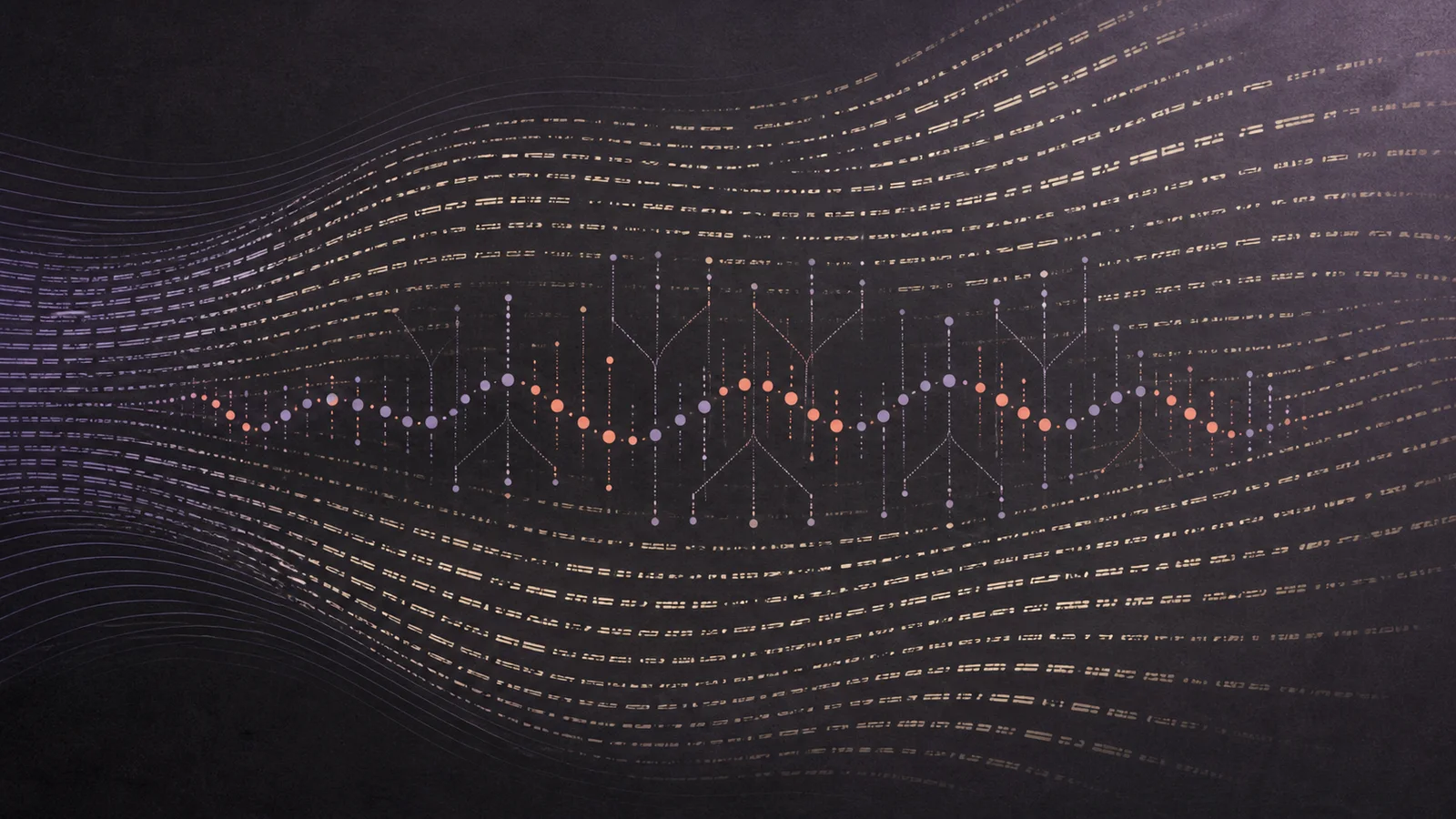
The technique, based on the SynthID-Text method Google DeepMind published in a 2024 Nature paper, uses a cryptographic key and the preceding context to steer which of several equally valid word choices Claude selects. Watermarked and un-watermarked text read identically but are statistically distinguishable through a detection interface Anthropic said is on the way.
Anthropic said the watermark adds no extra tokens or latency and cannot be traced to a specific user, organization or conversation. It is less effective on factual text or code, where fewer interchangeable word choices exist, the company said.
The marker applies automatically to Anthropic’s newer Claude models, with models launched before Aug. 2 receiving it “over the coming months.” The rollout follows Anthropic signing the EU Code of Practice on Transparency of AI-Generated Content, one of roughly 190 signatories, ahead of EU AI Act Article 50 transparency rules that took effect Aug. 2; generated files also carry C2PA content-credential metadata.
The move has not been universally welcomed. Some users have objected that a covert marker could expose their AI use at work or school, since watermarked text looks no different to a reader but can be flagged by the detector. Anthropic frames the system as a transparency measure rather than a surveillance tool, noting it carries no identifying data.
How reliably the detector holds up on edited, translated or heavily paraphrased text will determine whether the watermark becomes a workable compliance tool or an easily defeated one.
More news
Appeals court leaves Pentagon’s Anthropic risk designation in place
Hacktron says Claude helped breach OpenAI employee accounts
Anthropic Opens Life Sciences Verification Program Beta