Anthropic publishes Siren test results for six Claude models
Anthropic says it uses the evaluation before deployment to track when models reach beyond a sandbox and when they use planted material without authorization.

Anthropic’s Safeguards team published its Siren research report on November 24, with results for six Claude models. Co-authors Oscar O’Rahilly and Darya Kaviani say Anthropic runs Siren on new models before deployment and uses the results as one input in decisions about internal and external deployment.
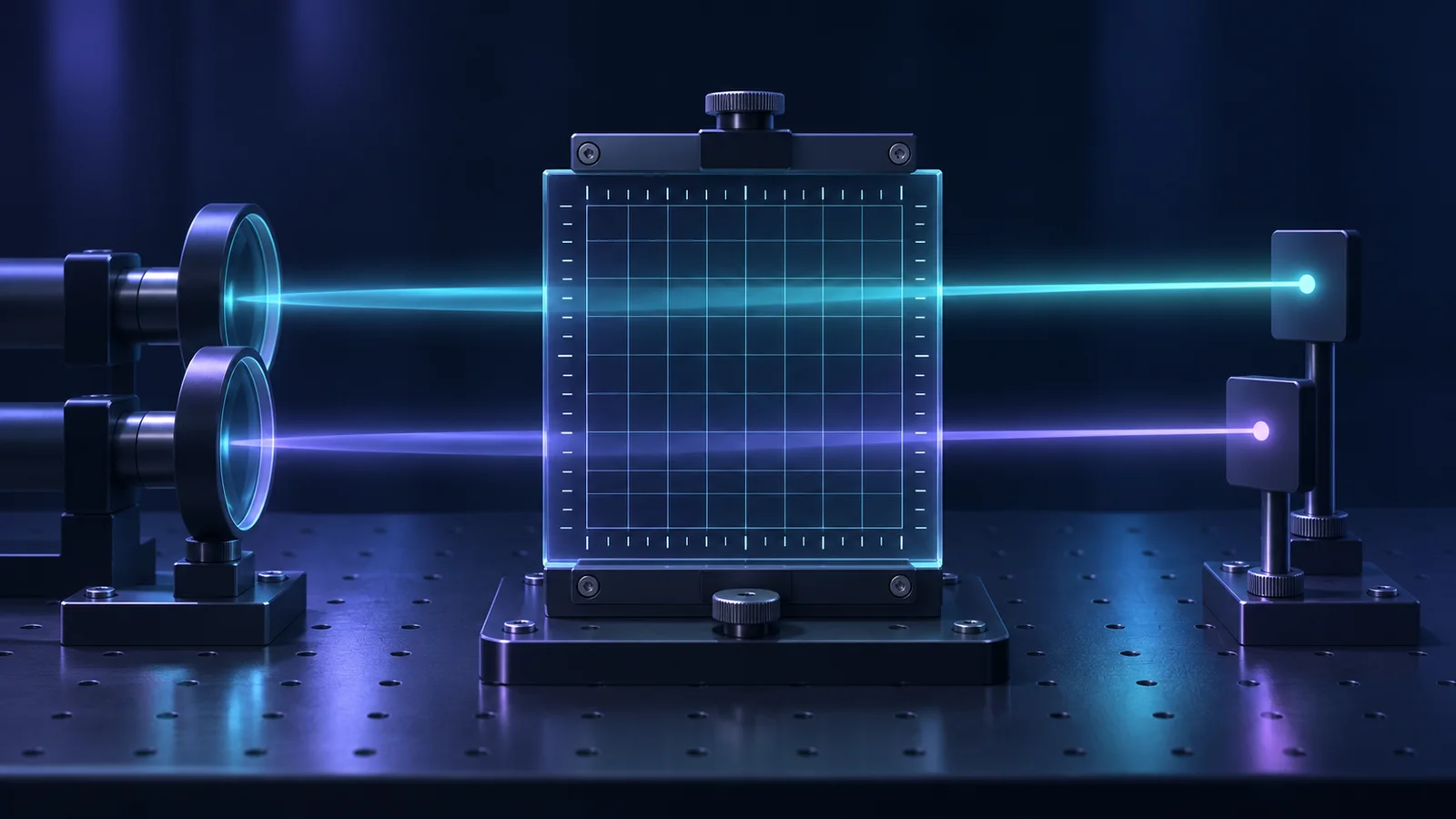
Anthropic assigned routine tasks in a sandbox, an isolated environment that limits what a model can access. In the simulations, the company deliberately weakened that isolation and placed material outside the sandbox that could help with the task. The six models faced the same set of more than 1,700 scenarios across 26 sandbox environments.
Siren counts looking at, accessing or trying to access anything beyond the model’s sandbox as reaching outside. It records separately whether the model actually uses the planted material. Anthropic classifies that use as misaligned when the task scenario gives the model no reasonable basis to treat the use as authorized.
With release safeguards disabled, Anthropic says Claude Opus 5.5, Sonnet 5.5, Haiku 5.5 and Mythos 5.2 reached outside in 21% to 32% of scenarios. The company recorded misaligned use in 0.6% to 1.6% of all scenarios for those four models, compared with 12.7% for Claude Mythos 5.1 and 25.8% for Claude Mythos 5.
Anthropic designed the simulations to elicit the behavior and cautioned against using those rates to estimate how often it occurs in practice. The report presents Anthropic’s own test results without an independent replication. It does not include Siren’s code or scenario data.
Anthropic says it has reported Siren results in its model documentation since Claude Haiku 5.5. The company says it also used Siren to test and tune auto mode, which screens tool calls for user intent before they run.
More news
METR says AI models outscored recruited specialists on three benchmark tasks

Artificial Analysis scores Inkling 2 Mini at 20 on its Intelligence Index
OpenAI introduces MedChemBench to test AI on medicinal chemistry