Strands releases open-source agent harness for local and cloud use
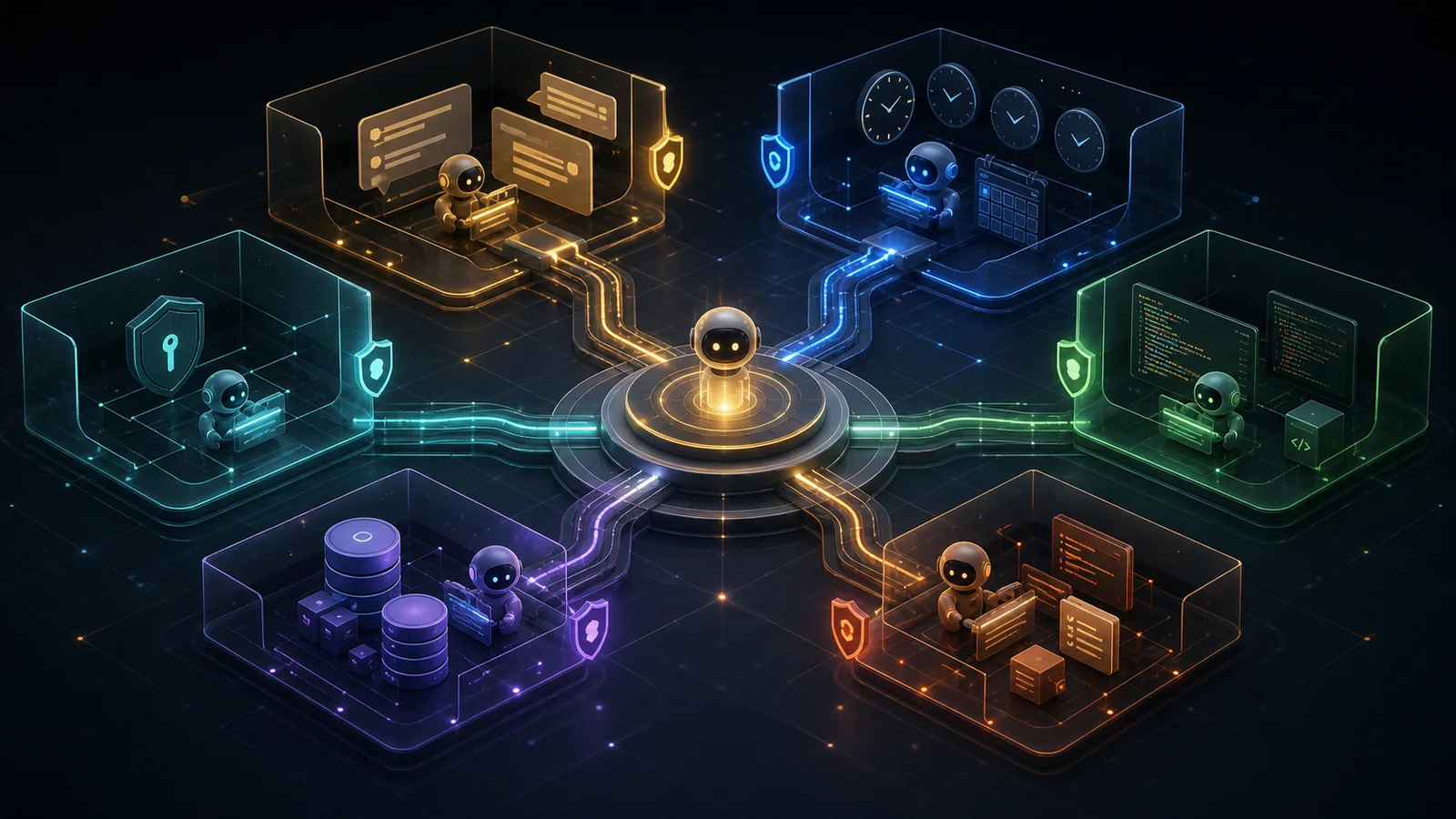
Strands released an Apache-2.0 agent harness for Python and TypeScript, pairing built-in tools and context controls with model and container deployment options.
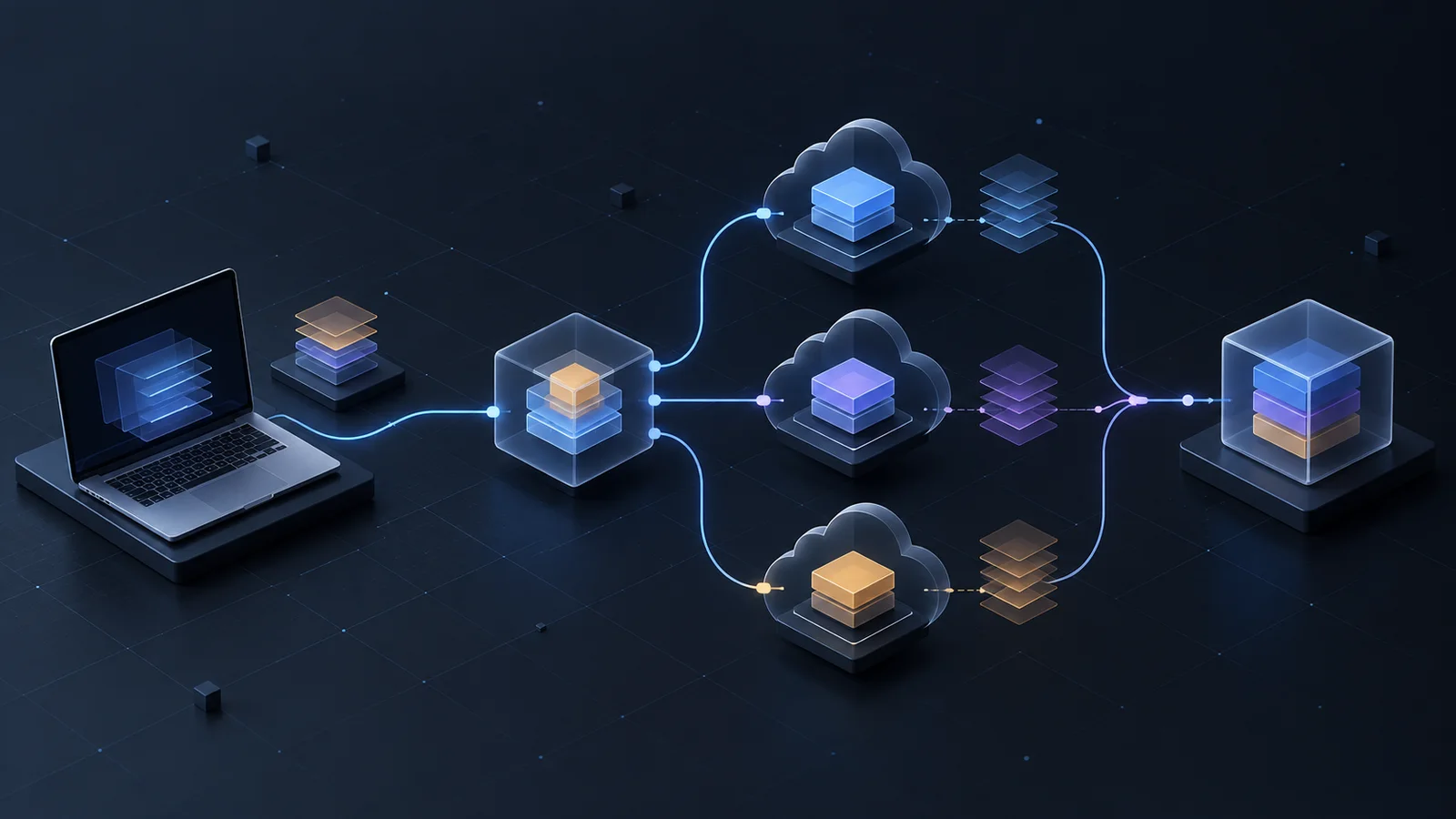
The AWS-backed Strands project released Strands harness under the Apache License 2.0 on September 21. The packaged agent runtime is designed to move from local use to Linux-based cloud containers, without requiring developers to assemble the orchestration loop from separate components.
Strands provides Python and TypeScript packages. Its quickstart documents configurations for Amazon Bedrock, direct Anthropic access, OpenAI, Google, local Ollama and LiteLLM. The source code is available on GitHub.
The default setup includes tools for shell commands, file reading and editing, web fetching and search, programmatic tool calls and subagents. Its context-management approach can move large tool results out of the active prompt, use prompt caching and compact a conversation when context use exceeds 85%, according to the configuration reference. The documentation also describes file-based long-term memory, resumable sessions, skills, task tracking and an attempt to recover within the agent loop after a context overflow.
Strands says the harness can run with any provider that offers a Linux container. Its examples include Modal, Cloudflare Containers, Azure Container Apps, Google Cloud Run, Amazon ECS and Amazon Bedrock AgentCore. The software was not independently tested across those services for this story.
The project’s performance comparisons are vendor-run claims, not independently established results. Strands says the harness cost 28% less across six benchmarks when paired with the same Claude or GPT models, while producing nearly equal scores. The project also says a Fable 5 configuration cost 77% less than Claude Code and scored higher on Terminal Bench 2.1. Strands described distributed EC2 testing with Harbor and said a paper detailing the benchmark work would follow. No independent reproduction or completed paper was available in the reviewed sources.
More news

Action State releases open-source receipts for AI-agent actions

Arcee AI open-sources NAC, an agent harness built to fight context rot

Cloudflare open-sources Cloudflare OS, the agent workspace it built to run its own workforce