São Paulo court bars Meta from using member outlets’ content for AI
A São Paulo judge temporarily barred Meta’s Brazilian entity from collecting or using content from outlets represented by three press associations to develop or train AI systems.
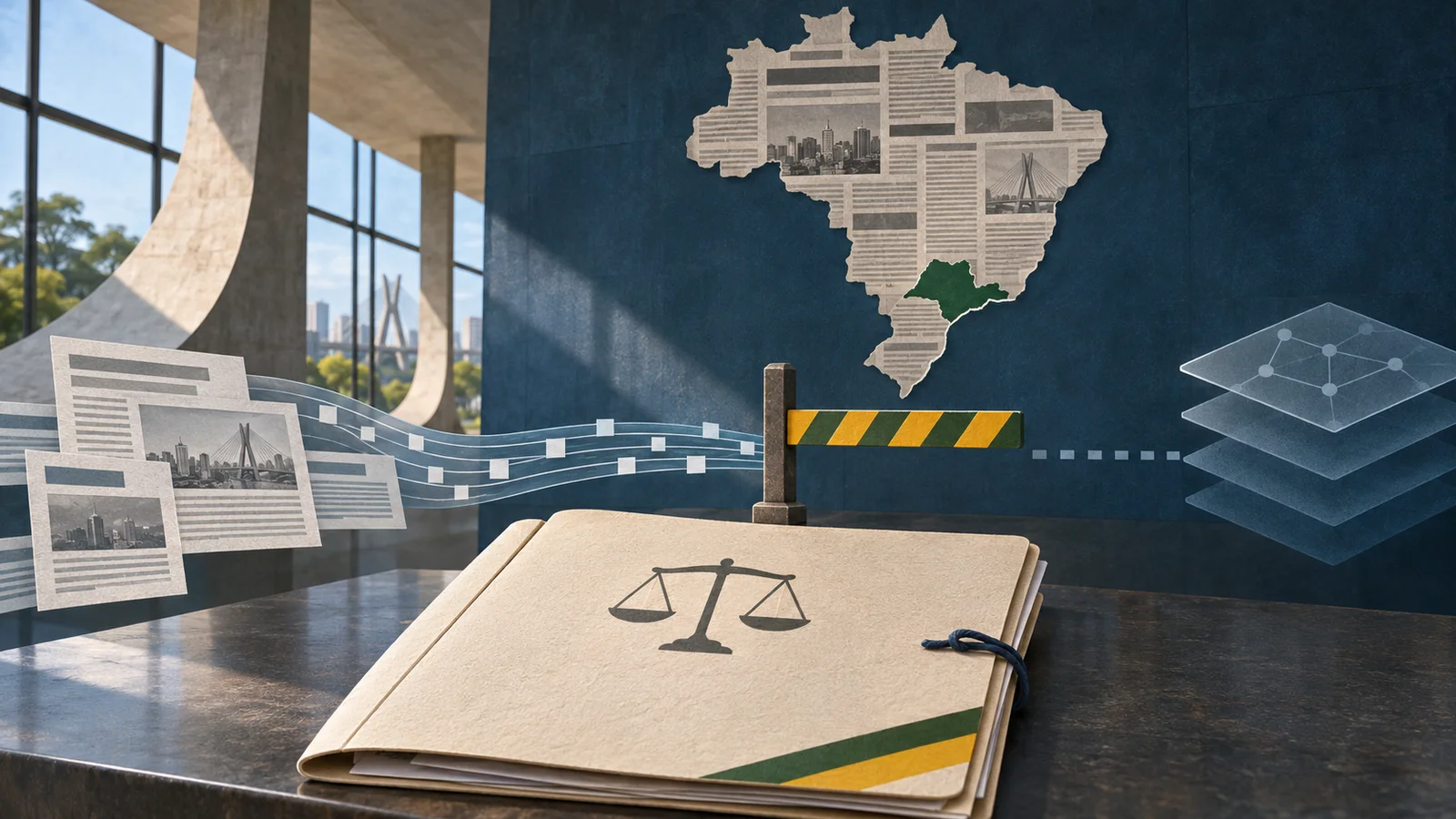
A São Paulo court has temporarily barred Meta’s Brazilian entity from collecting content from news outlets represented by three press associations and using it to develop or train artificial intelligence systems.
The Nov. 3 injunction covers outlets affiliated with the Brazilian Association of Radio and Television Broadcasters, the National Association of Newspapers and the National Association of Magazine Editors. It is an interim order in a Brazilian state-court case, not a final judgment or a worldwide prohibition.
Judge Guilherme Madeira Dezem of São Paulo’s 44th Civil Court suspended part of Meta’s updated Commercial Terms, which were scheduled to take effect Nov. 20. The disputed language would authorize automated access to and collection from external domains associated with businesses that use Meta products. Meta had delayed the commercial terms to Nov. 20 after publisher complaints.
Until a final ruling in the main case, Meta and its agents are barred from using scrapers, bots, crawlers, test credentials and similar tools to access, index, cache, analyze, collect or retrieve material from member outlets’ websites. The order also prohibits using the covered content to provide, develop, research, maintain, train, fine-tune or feed Meta AI systems.
The judge also ordered Meta to keep the outlets’ accounts, pages, groups and business tools operating on Instagram, Facebook, WhatsApp and Threads without restrictions or retaliation if they reject the external-collection terms. Noncompliance can draw a daily fine of R$1 million, capped at R$100 million.
At this preliminary stage, the judge found indications of copyright infringement and contractual abuse. The order said Brazilian law has no general text-and-data-mining exception for commercial AI training and noted that publishers may carry work for which they do not have sublicensing rights. Those findings remain subject to further proceedings.
The three associations said they brought the case to prevent unauthorized use of their members’ content. The order gives Meta five days from service to contest the precautionary request and gives the associations 30 business days from implementation of the measure to file their main claim.
A review of public materials through Nov. 5 did not establish that Meta had challenged the order or obtained a stay, narrowing or other modification. The public record reviewed also did not establish when Meta was served, so the five-day contest period could not be converted into a calendar deadline.
More news
Meta commercial terms authorize crawling of business users’ websites
USA Today and local newspapers sue OpenAI over AI training

New York Times sues Brave over alleged AI scraping and paywall bypass