CuspAI raises $450M and launches an AI Materials Foundry with 45-plus partners
CuspAI raised a $450 million Series B and launched an 'AI Materials Foundry' with more than 45 partners including Nvidia, Meta and Samsung.
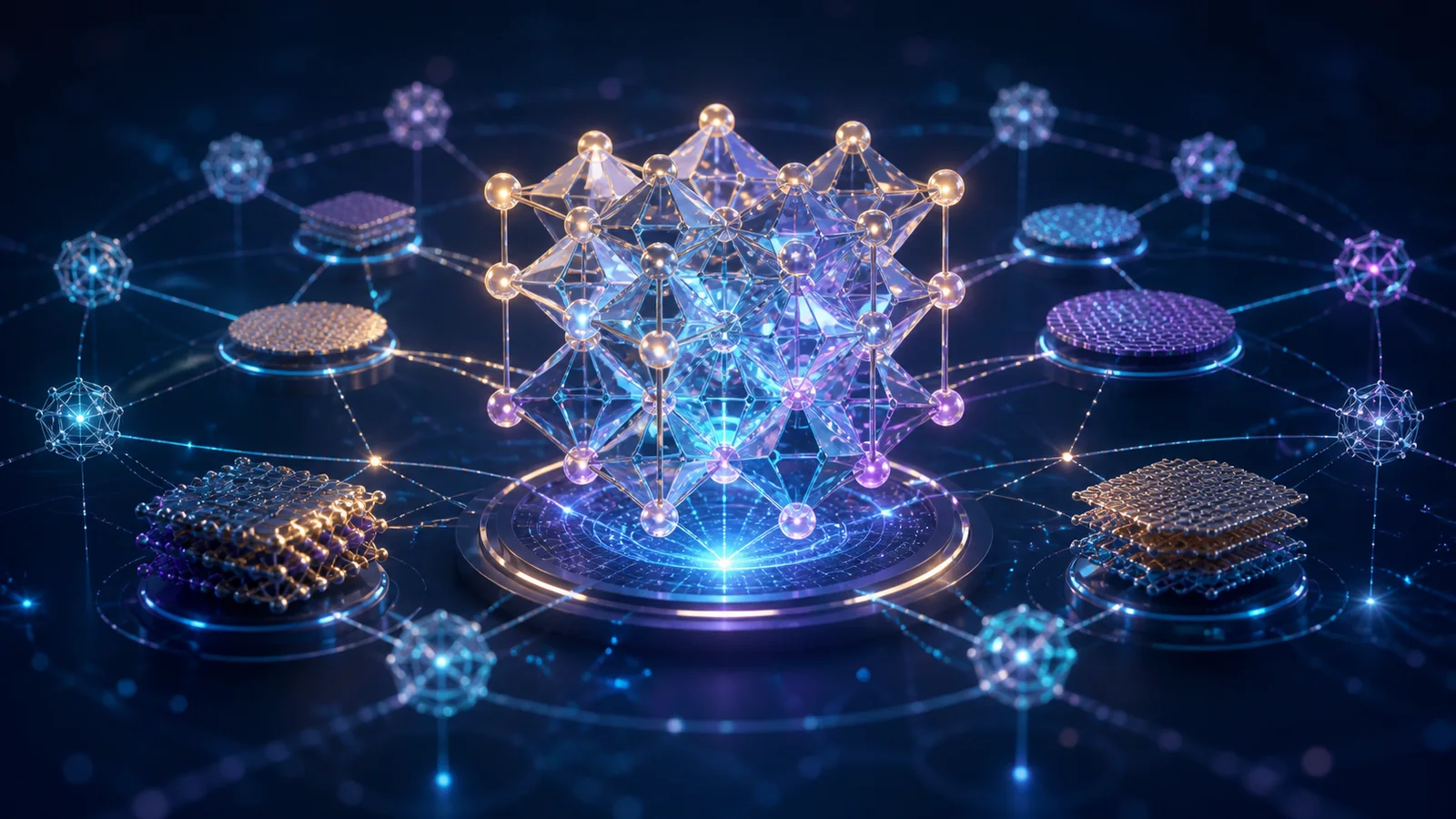
CuspAI, a Cambridge, U.K.-based materials-discovery startup, raised a $450 million Series B and launched an industry consortium it calls the “AI Materials Foundry,” the company said on July 20, 2026. Kleiner Perkins and NEA led the round, which values CuspAI at $2.6 billion.
That valuation is up from $520 million nine months earlier, a roughly fivefold jump that tracks investor appetite for AI aimed at physical-world problems rather than chatbots. New backers include Jeff Bezos’ Bezos Expeditions, the U.K.'s Sovereign AI Venture Fund, AMD Ventures and Lux Capital, alongside returning investors Temasek and Prosus. CuspAI has now raised more than $650 million since its 2024 founding.
The Foundry is the more consequential move. It links more than 45 partners, including Nvidia, Meta, Samsung, Hyundai Motor Group, Applied Materials, Tokyo Electron and Lam Research, around CuspAI’s MIRA platform, which the company uses to search for new materials for chipmaking and other industrial uses. The roster of semiconductor-equipment makers signals where CuspAI expects the earliest payoff: materials that improve how chips are built.
CuspAI was founded by chemist Chad Edwards and AI researcher Max Welling, a well-known figure in machine learning. The pitch is that AI models can propose and screen candidate materials far faster than lab trial-and-error, compressing discovery cycles that historically ran for years.
The claims are, for now, mostly promissory. AI-driven materials discovery has produced striking candidate lists before, but turning a predicted compound into a manufacturable, qualified material is the hard part, and neither CuspAI nor its partners has disclosed a shipping product from the platform. The Foundry’s 45-plus members give it distribution; whether MIRA yields materials that reach production lines is the test that matters.
More news
Google, Meta and Isomorphic Labs commit $300 million to Biohub virtual-cell effort

Arceus Legal raises $17 million to expand its AI-assisted law firm

SoftBank completes final $10 billion OpenAI investment tranche