Ghost reportedly raises $11 million for a $3,499 personal AI computer
Launch reporting says Ghost raised an $11 million seed round for Core, a $3,499 personal AI computer whose privacy, security and durability claims remain untested.
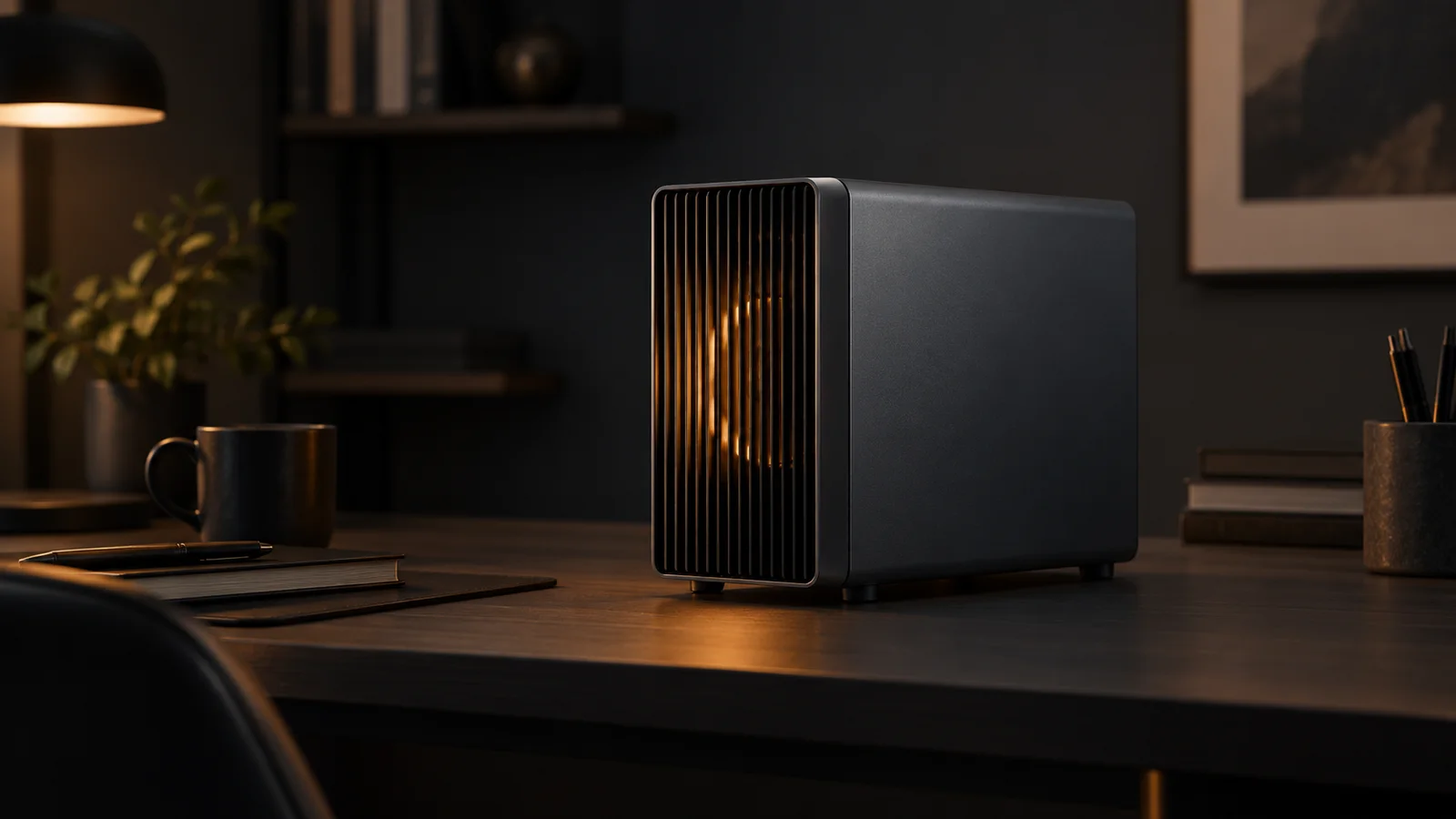
Launch reporting said Ghost emerged from stealth with an $11 million seed round led by Andreessen Horowitz to develop Core, a $3,499 computer for continuously running personal AI agents. The coverage named Abstract, Audacious Ventures, SV Angel and Nova as participants. Andreessen Horowitz lists Ghost as an investment but does not disclose the round’s amount, stage or participants.
The round backs a hardware-first effort to keep an agent’s conversations and memory on a computer in the customer’s home rather than on a shared cloud service. It puts dedicated consumer hardware alongside recent funding for software-based automation, including EliseAI’s financing for housing and healthcare workflows.
Ghost’s product page lists Core at $3,499, with no subscription and 30-day returns, and says the first batch is open. Ghost has not disclosed the number of units or preorder revenue.
Ghost lists an Nvidia RTX Pro 4000 Blackwell SFF Edition GPU with 24 GB of GDDR7 ECC memory, an AMD Ryzen 5 7600 processor, 64 GB of DDR5 memory and a 1 TB NVMe solid-state drive. The company says Core can build context from apps, files, screen history, wearables and smart-home devices, then act without waiting for a prompt. These are company claims: the available evidence includes no independent hands-on test or shipping confirmation.
The company’s privacy policy sets a narrower boundary than the product page’s claim that data never leaves the home. Ghost’s privacy policy says conversational AI and memory run on Core, without falling back to a remote AI model. Online features, however, can send task information through a Ghost-managed gateway to third-party providers, and connected services may receive content. Ghost says its gateway and remote-access relay do not retain forwarded content, while third parties may keep task information under their own policies.
The policy says optional screen history can capture images and recognized text, even during private browsing. Connected cameras can provide repeated images, and imported browser profiles can include passwords and authenticated sessions. Ghost says communications use protected connections, but no completed independent audit in the available evidence establishes that those controls are effective.
Founder and CEO Zain Javaid has said customers can control how much autonomy they give Core’s agents. The opened company materials do not document approval boundaries, mandatory confirmations or recovery procedures for high-risk actions. Javaid has also said Core is designed to keep working if Ghost shuts down because its source code, logic and model weights reside on the device. Yet the privacy policy describes company-managed gateway, authorization and relay services used by some online functions, leaving it unclear which features would remain available.
Ghost published a Core setup guide on September 18 covering local-network pairing, Wi-Fi setup, model selection, app connections and local memory setup. The launch reports said preorders opened October 5 and shipments were scheduled for the last week of October. The opened Ghost pages do not state that delivery date.
More news
Hyphenate raises $45 million for autonomous finance agents

Manus raises more than $500 million after Meta deal unwind

Nous Research raises $90 million for Hermes business agents