Google DeepMind releases cheminformatics skills for Antigravity
Google DeepMind released Antigravity cheminformatics skills that combine language-model orchestration with deterministic tools; its one-hour demonstration remains a company-reported result.
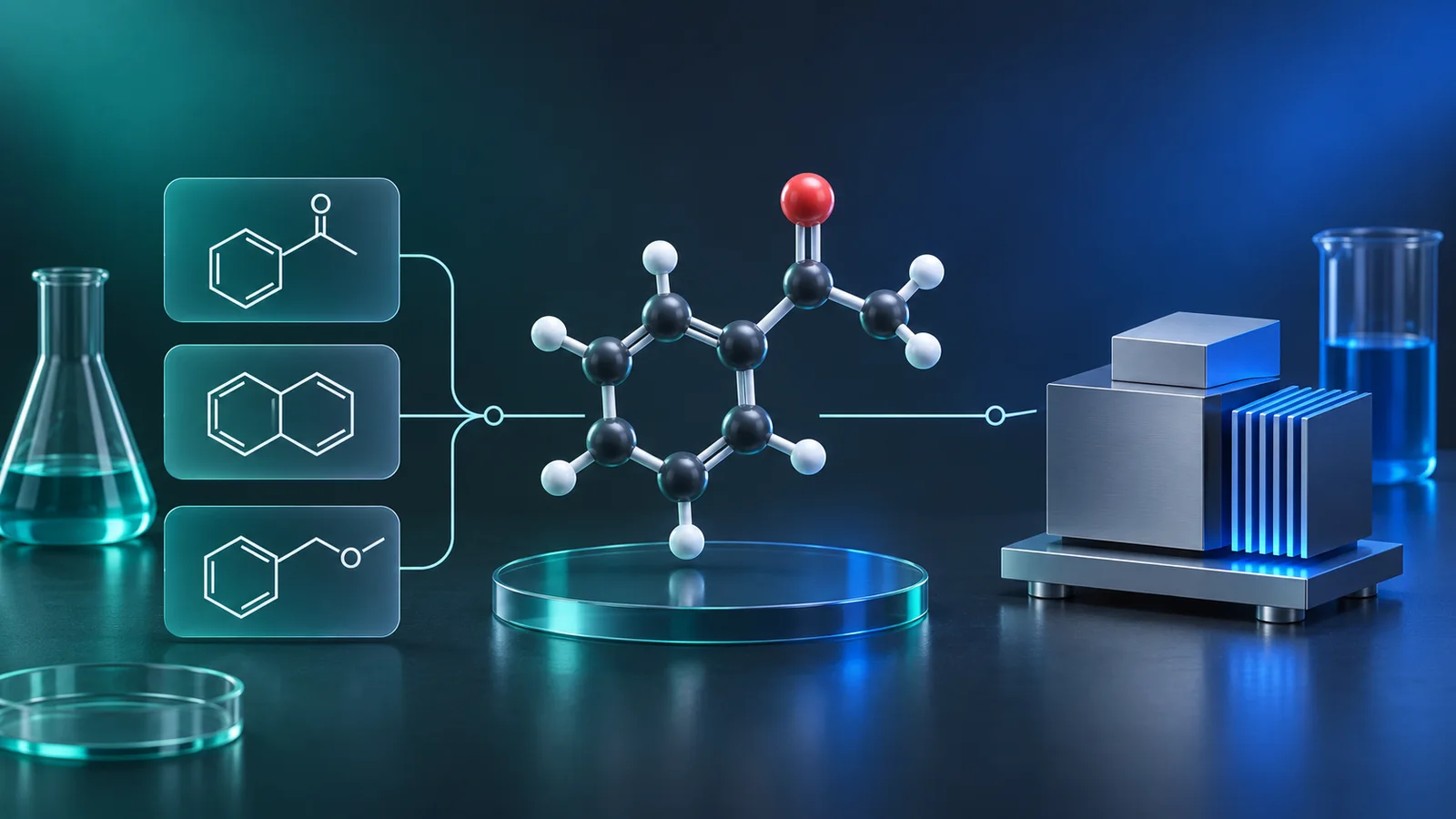
Google DeepMind released Cheminformatics Skills for Google Antigravity on November 3, making them available through the Antigravity app’s Science plugin and to Enterprise users who sign in with a business account.
The company says the skills can search and curate compound data, analyze molecular changes, train predictive models, and propose molecules with possible synthesis routes. In a company-run demonstration based on lung-cancer treatments, the agent completed a workflow spanning thousands of compounds in about one hour. That timing has not been independently reproduced.
DeepMind describes a split between generative and deterministic work: the language model plans and orchestrates the workflow, navigates databases, and performs scientific reasoning, while established chemistry software executes molecular calculations. The skills use RDKit, an open-source cheminformatics toolkit, and connect to resources including ChEMBL and PubChem.
In the walkthrough, DeepMind said the agent retrieved thousands of compounds within minutes, removed items such as buffers and solvents, recorded their sources, and produced an interactive viewer. A screenshot caption described 568 curated compounds. The agent then performed matched molecular pair analysis, which compares molecules differing by a small structural change, and built potency models with multiple feature sets and architectures.
DeepMind said those models were validated on a held-out set and benchmarked with a scaffold split, a method intended to estimate performance on structurally different molecules. The post did not disclose the full compound set or model metrics needed to independently assess predictive performance.
The agent then proposed rigidified macrocycles, predicted their potency, and suggested reactions and synthesis routes. Those outputs are computational proposals, not validated drug candidates. DeepMind said every proposed design still needs to be synthesized and tested experimentally.
More news

Google DeepMind begins Genie 4 preview with native audio
DeepMind details Antigravity search for antimicrobial peptide candidate

Google releases EmbeddingGemma 2 for on-device multimodal search