Google launches selfie-video sign-in to recover locked accounts and block deepfakes
Google launched an opt-in "selfie for sign-in" feature that lets users record a short liveness-checked video to recover a locked Google Account.
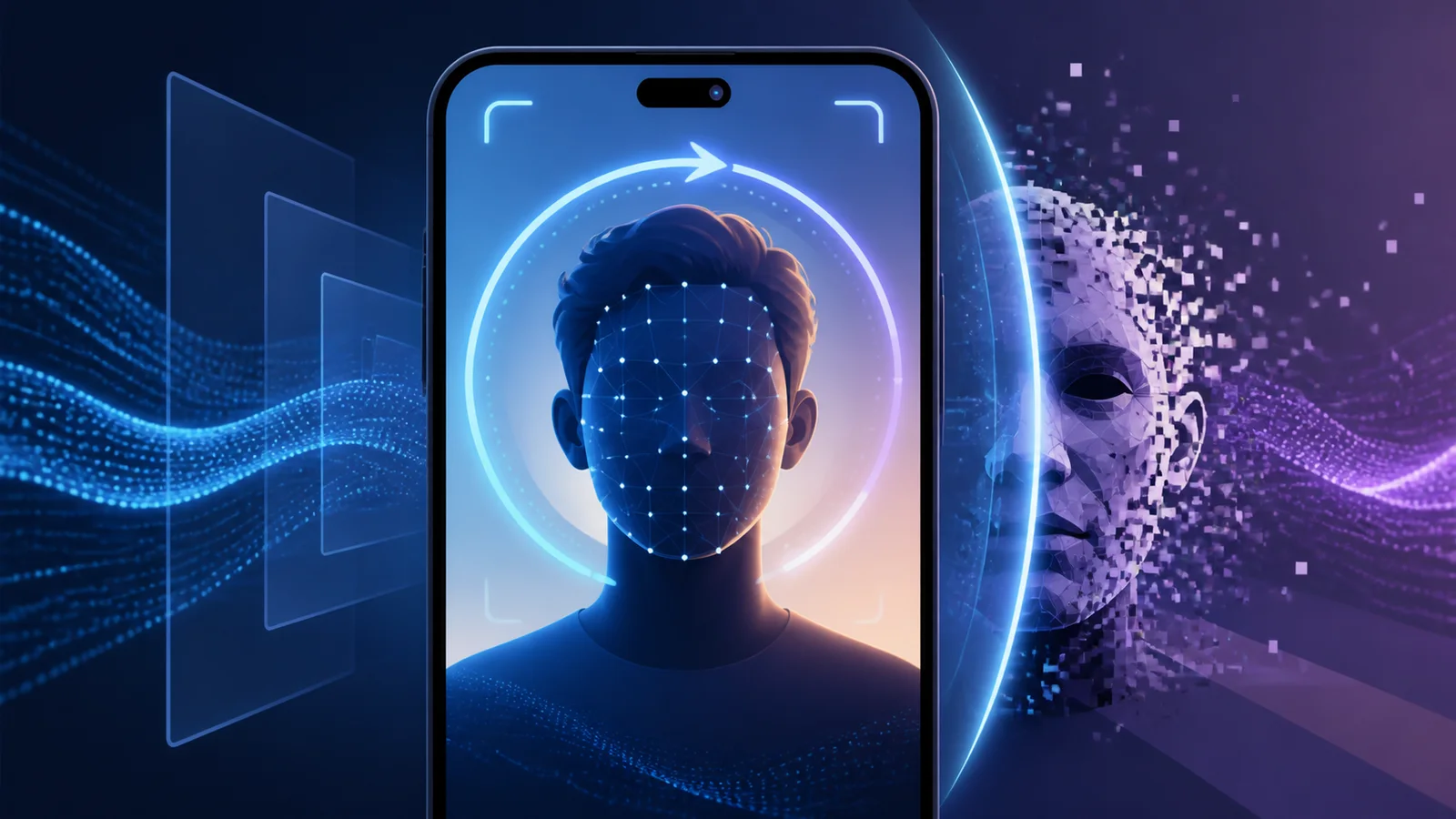
Google launched “selfie for sign-in” on July 23, letting users record a short guided-movement video to set up backup access and later recover a locked Google Account.
The opt-in feature works in two steps. A user first records a reference selfie video; if later locked out, they record a new video that the system compares against the stored one. Liveness checks are meant to confirm a live person is present and block deepfake or pre-recorded impersonation attempts.
Google positions the tool as a recovery option that resists the kind of AI-generated face spoofing now used to hijack accounts. The stored video is encrypted and can be deleted at any time, and the feature is off by default, the company said.
It is deliberately limited. Selfie for sign-in is not available for Workspace accounts, supervised or child accounts, or users enrolled in the Advanced Protection Program, Google’s strictest security tier. Setup runs at g.co/signin-selfie.
The security question is how well the liveness checks hold up against sophisticated deepfakes, which is exactly the threat the feature targets. Google has not published independent testing of its spoof-resistance, so the protection rests on the company’s own description for now.
Whether biometric video recovery reduces account lockouts without opening a new spoofing vector, and whether Google extends it beyond consumer accounts, will show if the approach becomes a mainstream recovery method or a niche option.
More news
Google opens SynthID Detector worldwide for partner watermarks

Google launches Playground for prompt-built games; Unity Spark remains in testing

Google to start limiting free Gemini users to Flash-Lite on October 9