Google DeepMind's Demis Hassabis proposes a FINRA-style US AI standards body
Demis Hassabis proposed on July 14, 2026 a US-led AI standards body modeled on FINRA to test frontier models, and wants it running before year-end.

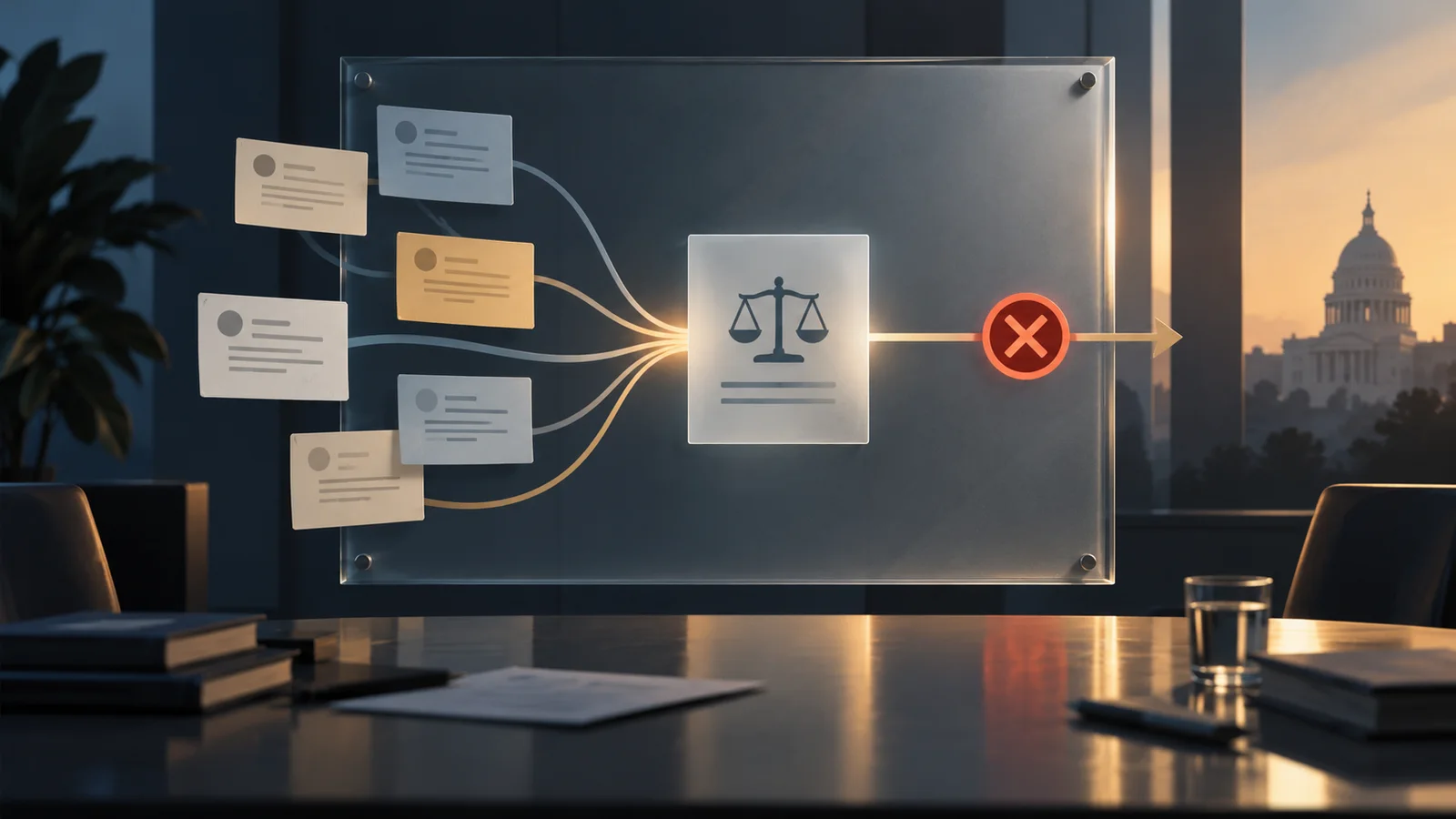
Demis Hassabis, CEO of Google DeepMind, on July 14, 2026 proposed a US-led AI standards body modeled on the Financial Industry Regulatory Authority, the self-regulator that polices Wall Street brokerages. He set out the plan in a personal essay, arguing frontier labs need shared safety rules before more capable systems ship.
The proposal is a rare case of a leading lab chief putting a concrete institutional design on the table rather than a general call for ‘some regulation.’ Hassabis wants the body running within months, ideally before the end of 2026, and sees industry funding most of it.
Under the plan, frontier labs would initially share models voluntarily up to 30 days before release, giving testers time to probe for dangerous cyber, biological and deception capabilities. Formal pre-deployment testing requirements could follow once the regime proves it works. The rules would apply to every frontier-class model regardless of country of origin or whether its weights are open or closed. Hassabis proposed a majority-independent board that would include Turing Award winners, funded mostly by the companies it oversees.
That funding structure is also the plan’s weak point. A body paid for by the labs it polices invites the same capture criticism aimed at FINRA, and the 30-day sharing window is voluntary, with no enforcement teeth until governments write testing into law. The essay is a proposal, not policy; no US agency has endorsed it.
The pitch lands as Washington and Brussels take diverging paths on frontier oversight, and as DeepMind’s own models compete directly with those the body would test. Whether rival labs and US officials treat a Google executive’s blueprint as a neutral starting point, or as an incumbent shaping the referee, will decide if it goes anywhere.
More news

OpenAI endorses California youth AI safety bill SB 1119
FTC seeks comment on treating hidden AI ideological tuning as deceptive practice
 Dmytro Spodarets·Jul 2, 2026
Warren, Blumenthal seek records on White House AI framework