Microsoft puts Maia 200 into production, plans Maia 300 deployments for 2027
Microsoft says Maia 200 is serving production workloads and plans to begin Maia 300 deployments in 2027 as it scales its in-house inference infrastructure.
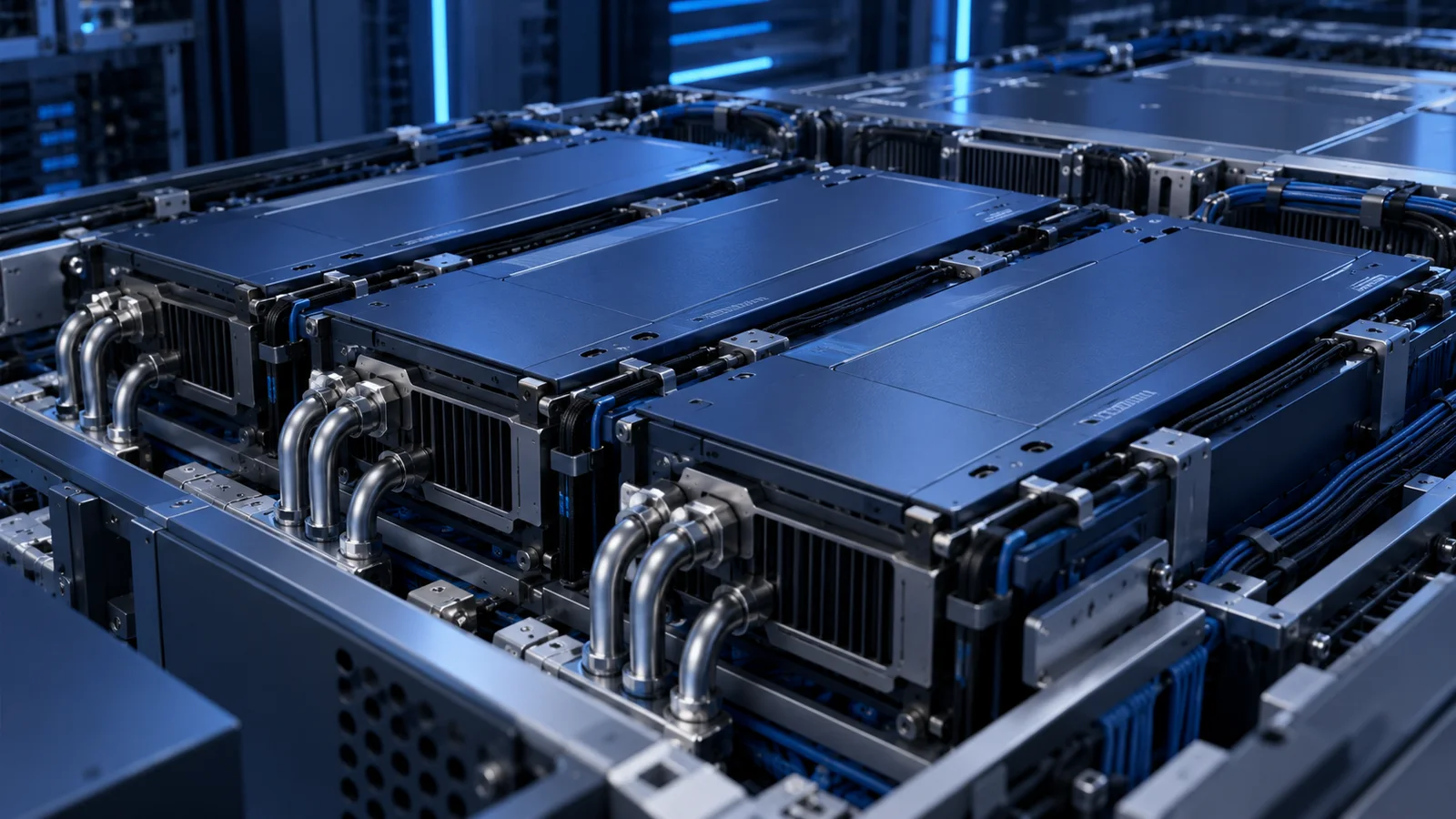
Microsoft said Azure Maia 200 is serving production workloads, including Microsoft Copilot, and plans to begin Maia 300 production deployments in 2027. The timetable marks the next expansion of Microsoft’s in-house AI inference hardware.
The company said it will scale the Maia accelerator family to multi-gigawatt deployments starting in 2027 and intends to make Maia its primary inference system for Microsoft products and services. Those are Microsoft plans rather than completed deployments. The company did not provide an exact 2027 start date, initial locations or a confirmed accelerator count for the expansion.
Microsoft said Maia 200 is also being deployed across the United States, Europe and Australia. GitHub Copilot and Microsoft Foundry are scheduled to follow by the end of 2026. The chip also supports the MAI team’s development of next-generation models, following the team’s recent voice and transcription releases.
Microsoft claimed Maia 200 can deliver up to 1.7 times more tokens per watt for built-in AI capabilities in Teams, Copilot and Cowork than “leading GPU infrastructure.” The cited materials did not identify the comparison systems or disclose the workload mix, model set, precision settings or test methodology. The result has not been independently verified.
For Maia 300, Microsoft specified a 167-kilowatt rack with 96 accelerators, 27.6 terabytes of high-bandwidth memory and 1.7 petabytes per second of aggregate memory bandwidth. The company described Maia 300 as an inference-focused, multi-chiplet system built with TSMC N2P compute chiplets, eight HBM4 memory stacks per accelerator and an Ethernet-based two-tier scale-up network capable of connecting as many as 12,288 accelerators in a superpod.
Microsoft expects Maia 300 to produce 40% more tokens per megawatt than leading GPU-based systems. It also claimed that a full 96-accelerator configuration can deliver up to seven times Maia 200’s rack-scale token throughput. Microsoft did not name the GPU systems used for the efficiency comparison, and neither claim has been independently reproduced. Maia 300 is not yet in production deployment.
More news

Bloomberg reports Microsoft targets more than 38 GW of data-center capacity by 2032
CoreWeave plans 240 MW India expansion with AdaniConneX

Amazon launches $1 billion-plus program for data-center communities