North Carolina regulators set Duke rates for large data centers
North Carolina regulators approved a dedicated Duke Energy rate schedule for data centers above 50 megawatts, shifting more connection and early-exit risk to those customers while leaving key cost formulas unfinished.
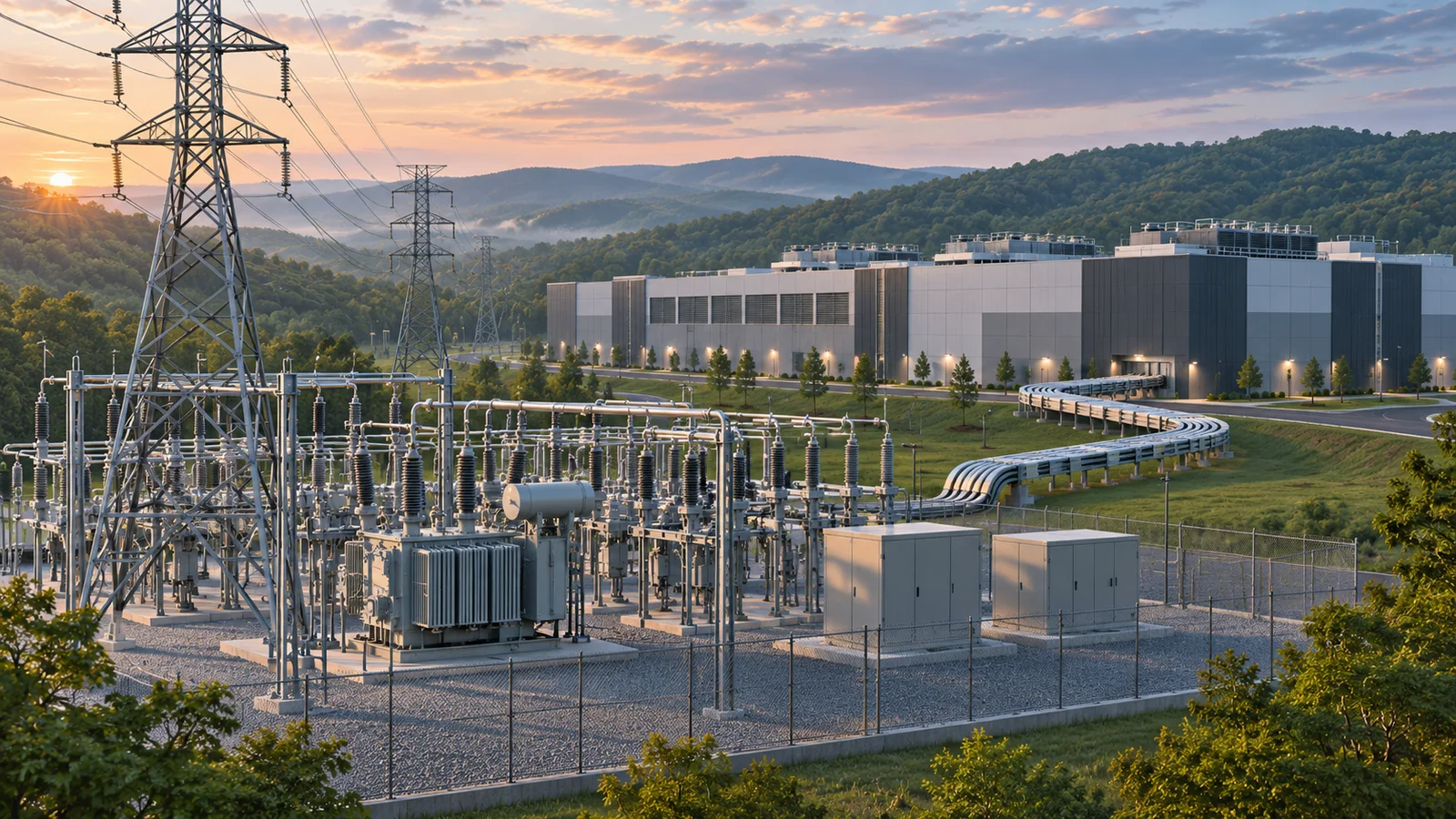
North Carolina regulators established a dedicated Duke Energy rate schedule for data centers with loads above 50 megawatts. The schedule adds customer-funded connection work, long-term commitments and protections against the cost of projects left behind when a customer exits. It shifts more infrastructure and stranded-investment risk to large data-center customers, though regulators have not yet set every cost-allocation formula.
The commission adopted the data-center schedule in Nov. 16 orders resolving rate cases for Duke Energy Carolinas and Duke Energy Progress. Duke’s SEC-filed account of the orders says the commission did not approve an Oct. 6 large-load settlement as submitted and instead created the new DC Schedule.
The adopted schedule is narrower than Duke’s proposal. Duke’s original settlement proposal would have placed all new North Carolina customers at 50 megawatts or more with an 80% load factor on a High Load Factor schedule if they signed an electric-service agreement after June 1, 2026. The commission’s replacement applies specifically to data centers above 50 megawatts.
Under the adopted schedule, data centers above 100 megawatts must sign contracts lasting at least 15 years. Minimum bills will be based on 75% of contract demand, requiring customers to pay for most of the capacity they reserve even when their actual use is lower. The Duke Energy Carolinas order summary and the Duke Energy Progress order summary describe matching protections across the two utilities.
A data center must also make a contribution in aid of construction for facilities dedicated solely to that customer. That puts the cost of dedicated connection assets on the customer instead of leaving it for recovery from the broader customer base. For transmission-network upgrades, the customer must provide a letter of credit covering all required work. Some upgrade costs will be assigned directly according to the benefit to the customer, but regulators left that allocation method for later development.
The schedule addresses exit risk in two ways. A customer that terminates early can owe liquidated damages. It must also provide security during the contract for generation that could become stranded and make an additional payment when the contract expires. The methodology for calculating that security and final charge is not yet established, so the orders create the protection without determining the amount a data center would ultimately owe.
Interim curtailment provisions allow service to be constrained while adequate capacity is unavailable. Duke has said the approved rates take effect Jan. 1, 2027, but the opened official summaries do not confirm that the date applies specifically to the DC Schedule.
The Southern Environmental Law Center said in its response to the orders that decisions about allocating some grid-upgrade and generation costs were deferred to a stakeholder process.
More news

TSMC reportedly halts affected China chip orders; Samsung pause unverified

Chicago Public Schools considers Google Search alternative over AI controls

OneTrust releases Fall ’26 AI and risk controls across GA, preview and staged rollout