Norway proposes temporary AI-glasses ban for selected public places
Norway is seeking a temporary AI-glasses ban in selected public and privacy-sensitive places while officials define the devices and exceptions it would cover.
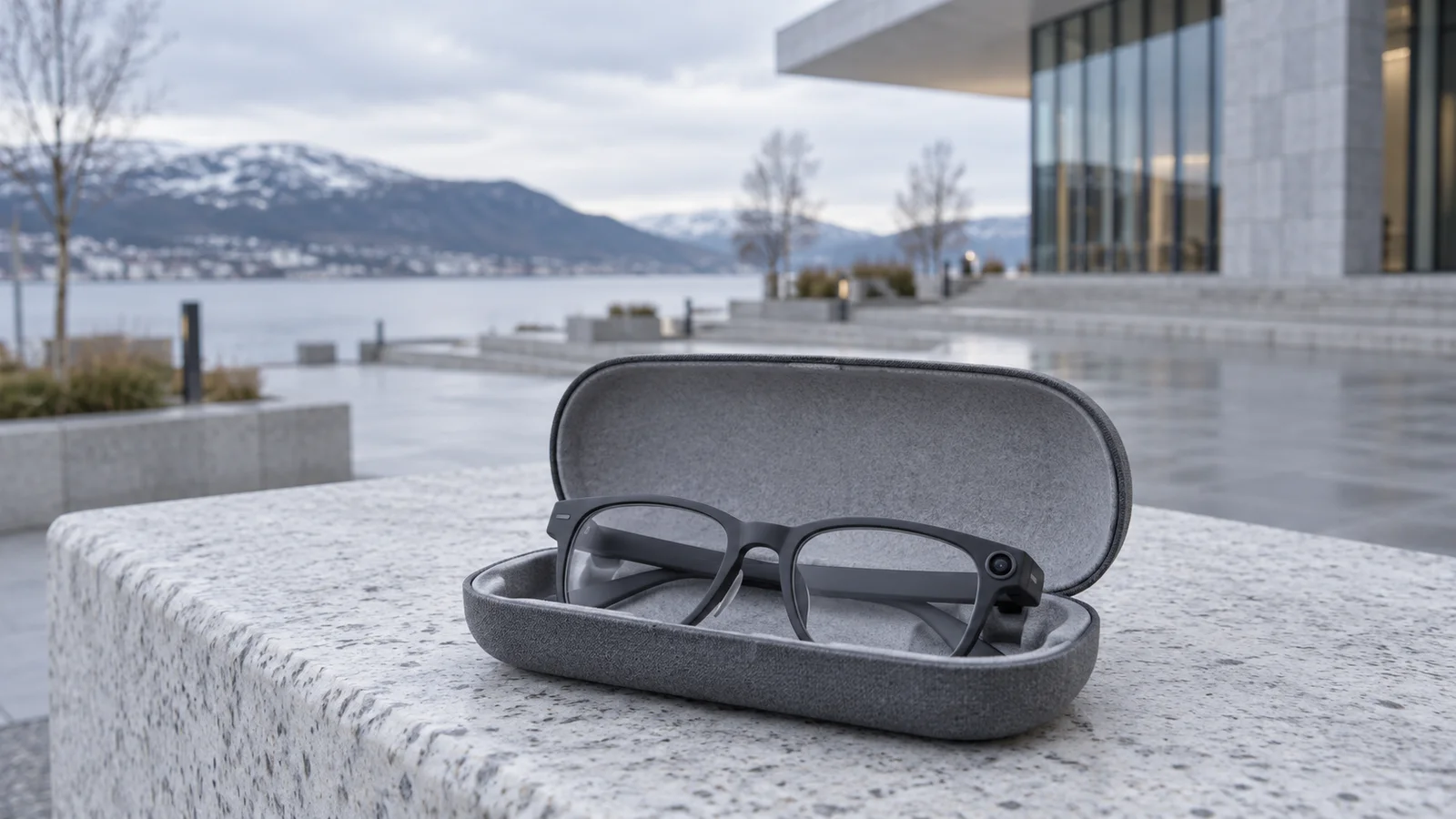
Norway’s government said it will ask the Storting to approve a temporary ban on using AI glasses in selected places. The measure would be an interim step while officials develop permanent rules for wearable technology. The government intends to bring forward a bill as soon as possible; no ban has been enacted.
The proposal could cover three broad categories: places used by children, privacy-sensitive facilities and venues regularly used by the public. The final list remains unsettled. The government announcement does not include bill text, an effective date, a duration, enforcement provisions or penalties.
Possible child-focused locations include schools, kindergartens, playgrounds and youth clubs. Universities, colleges and other higher-education institutions may also be considered. The privacy-sensitive examples range from doctors’ offices and other healthcare facilities to swimming pools, gyms, changing rooms and showers.
For the wider public, the government named parks, beaches, museums, shopping centers, amusement parks and public events, including sports, music and cultural events. These are examples under consideration, not a settled nationwide list.
The government is not planning a total ban on AI glasses or other wearable devices. It expects their use to remain possible in some locations and for purely private purposes, including when other people are not at risk of being filmed or photographed without consent.
Which devices a temporary rule would cover is also undecided. Officials are examining glasses with cameras and audio recording, glasses that combine cameras with AI functions, and other wearable technology equipped with cameras, audio recording or AI.
Limited exceptions are planned for vulnerable groups and socially beneficial uses, although the government has not detailed who would qualify or how the exceptions would work. Digitalisation and Public Governance Minister Torgeir Micaelsen said the policy is intended to address the risk that people can be photographed, filmed or audio-recorded without knowing it. The government also plans to establish an expert group to study wearable-technology risks and recommend permanent national regulation; the announcement did not identify its membership or timetable.
More news

MBZUAI study finds speech-model updates leak age and accent signals

Researchers find Meta Muse share links in passive DNS

Google outlines verifiable private federated learning system for Gboard