OpenAI Says It Banned Russia-Linked ChatGPT Accounts Promoting a Fake Expert Institute
OpenAI said it banned ChatGPT accounts that very likely originated in Russia and promoted the International Burke Institute, a purported Israel-based expert organization whose website carried copied and misattributed academic work.
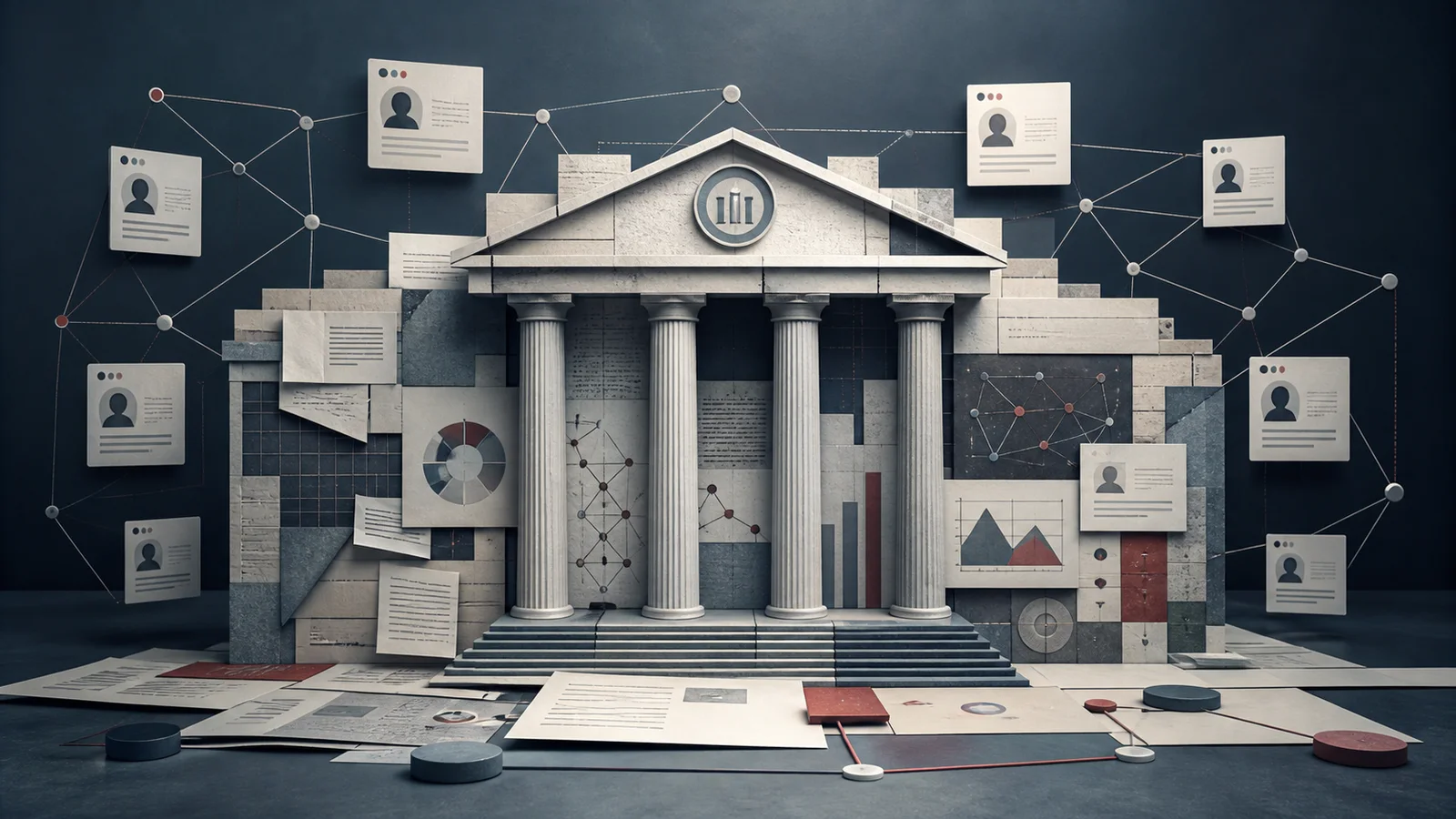
OpenAI said it banned a cluster of ChatGPT accounts that very likely originated in Russia and promoted the International Burke Institute, or IBI, an organization that presented itself as an Israel-based community of experts.
In a report published on August 25, OpenAI said the accounts primarily produced promotional social media content. The company said the articles on the IBI website and the institute’s sovereignty index were not generated with OpenAI models.
OpenAI assessed the operation’s immediate impact as limited. Typical posts drew low view counts, and IBI’s official accounts had few subscribers, although associated Telegram channels generally had 10,000 to 20,000 followers each. DataPhoenix has separately covered OpenAI’s deployment-simulation safety work.
The operators prompted ChatGPT in Russian and used VPNs to access the service, which is not available in Russia, OpenAI said. They generated mostly English-language posts and asked the model to remove linguistic signs that could point to a Russian author. OpenAI identified operation-linked material on Substack, Telegram, X, Facebook and LinkedIn, including posts promoting IBI articles, replies to Substack users and content written for Telegram channels.
OpenAI said the website associated with IBI was registered in February 2025 and displayed a street address in Israel. In a sample of 36 IBI articles published between September 2025 and May 2026, the company found that 34 had been copied from elsewhere online. Some were older works, and some were attributed to the wrong authors.
One IBI item used the title of an article about the China-Pakistan Economic Corridor but credited it to Katharine Adeney. Cambridge University Press identifies Yunas Samad as the author and July 7, 2025, as the publication date.
Another IBI page attributed a migration-governance paper to Kate Howell. The Migration Policy Institute credits Meghan Benton, Natalia Banulescu-Bogdan and Kate Hooper. The University of Melbourne identifies Kate Howell as a professor of food chemistry.
OpenAI called the sovereignty index the campaign’s most notable feature and described it as a ranking that praised Russia and denigrated Western countries.
“This operation combined sophisticated tactics with sloppy execution,” Ben Nimmo, principal investigator on OpenAI’s Intelligence and Investigations team, told Le Monde, which published an investigation of the institute on August 25.
A UNICEF spokesperson told Le Monde that “IBI is not an approved partner, and we have no record of any joint work.”
OpenAI said it found online traces suggesting that some people in Israel may have represented IBI in submissions and at conferences. The company said it could not determine their relationship to the institute or to the operators in Russia.
Le Monde reported that it found no evidence linking IBI to the Russian Social Design Agency, whose previously leaked documents described plans for an Israel-based institute or think tank. The outlet also reported that IBI did not respond to its requests for comment.
More news
Florida seeks court limits on OpenAI model development and ChatGPT behavior

OpenAI starts opt-in text watermarking before EU expansion

OpenAI patched ChatGPT macOS flaw CVE-2026-100754