OpenAI adds native animated GIF creation with Images 2.6
OpenAI's Images 2.6 adds animated GIF creation from text prompts and still images in ChatGPT, with conversational revisions, playback-speed controls and parallel API access.
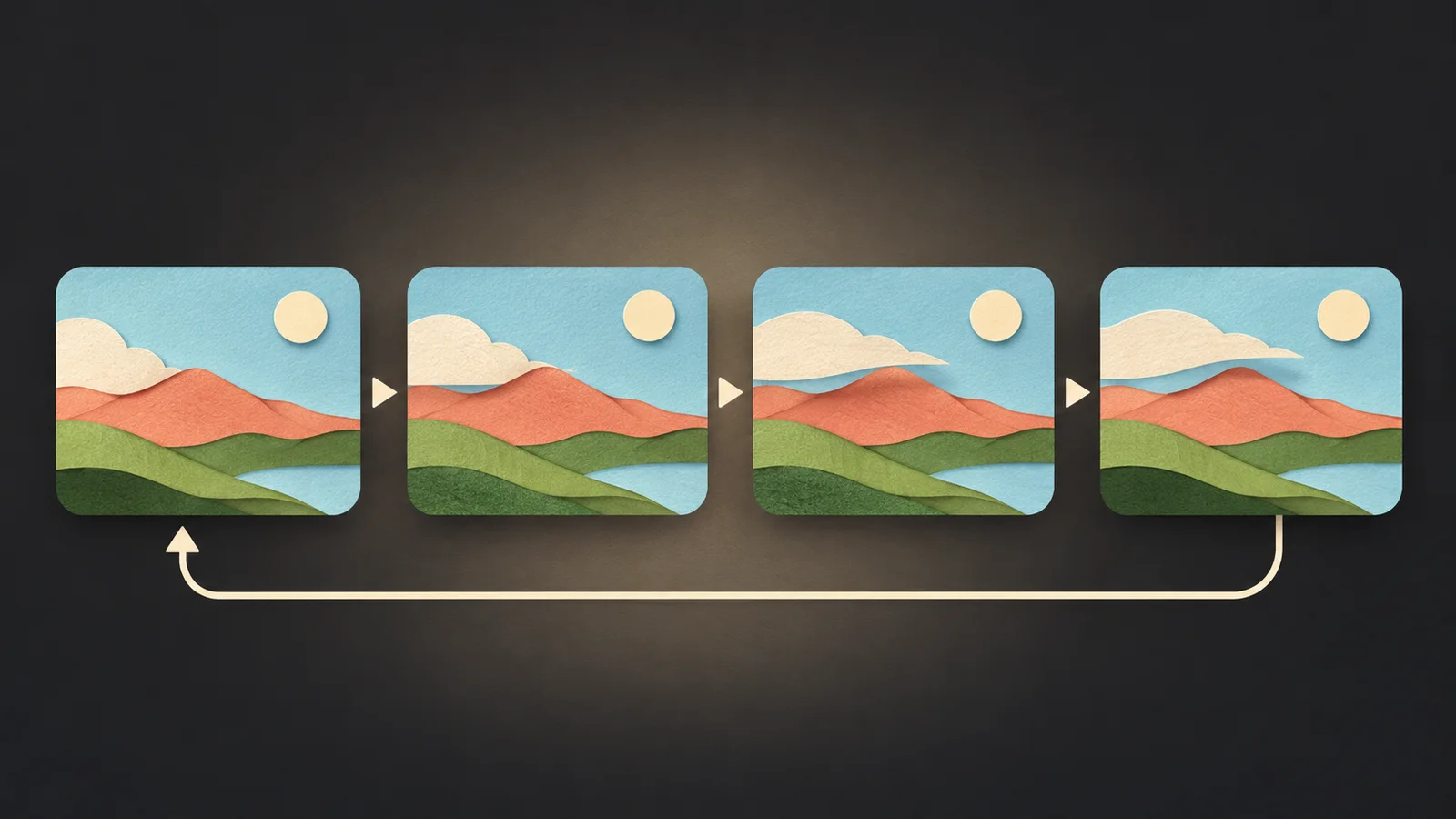
OpenAI added native animated GIF creation to Images 2.6 on November 4, allowing ChatGPT users to generate a looping animation from a text prompt or turn an uploaded still image into a GIF. The company says Images 2.6 is available globally in ChatGPT and Codex across all subscription tiers, while GPT-Image-2.6 Flare and Sunburst are available in the API. However, its ChatGPT guidance says the GIF feature is still rolling out, so it may not appear for every account at the same time.
In ChatGPT, users can ask for a loop directly or upload a still image and request animation. They can then revise the resulting GIF through the conversation, adjust its playback speed, and save or share it. OpenAI’s documentation also sets a boundary around the workflow: ChatGPT can animate a still image, but it cannot edit an animated GIF uploaded by the user.
For developers, OpenAI released GPT-Image-2.6 Flare and GPT-Image-2.6 Sunburst for image generation and editing through the API. The image-generation endpoint supports animated GIF output. The API update adds markup-guided editing, SVG generation and an adjustable complexity setting. OpenAI says quality and complexity control different parts of generation rather than serving as interchangeable settings.
OpenAI claims Images 2.6 generates images 50% faster than before and says Flare at low quality can return an image in as little as six seconds. The company also says users create 4 billion images each week across ChatGPT, Codex and the API. Those figures are company claims; the source package contains no independent benchmark or audit confirming them.
A public user example described animating a previously generated character image in ChatGPT and identified the posted result as a third attempt. That example provides anecdotal evidence that the workflow reached at least one user, not a controlled test of output quality, first-try reliability or broad availability.
OpenAI says GIFs required additional safeguards because harmful meaning can emerge from a sequence of frames even when individual frames appear benign. Its Images 2.6 system card says motion-related violations remain difficult to detect and that safeguards may miss some violations.
More news
OpenAI plans visual ads for ChatGPT image generation
OpenAI begins GPT-6 rollout with Intelligent UI in ChatGPT

OpenAI previews College Planner for ChatGPT for Teens