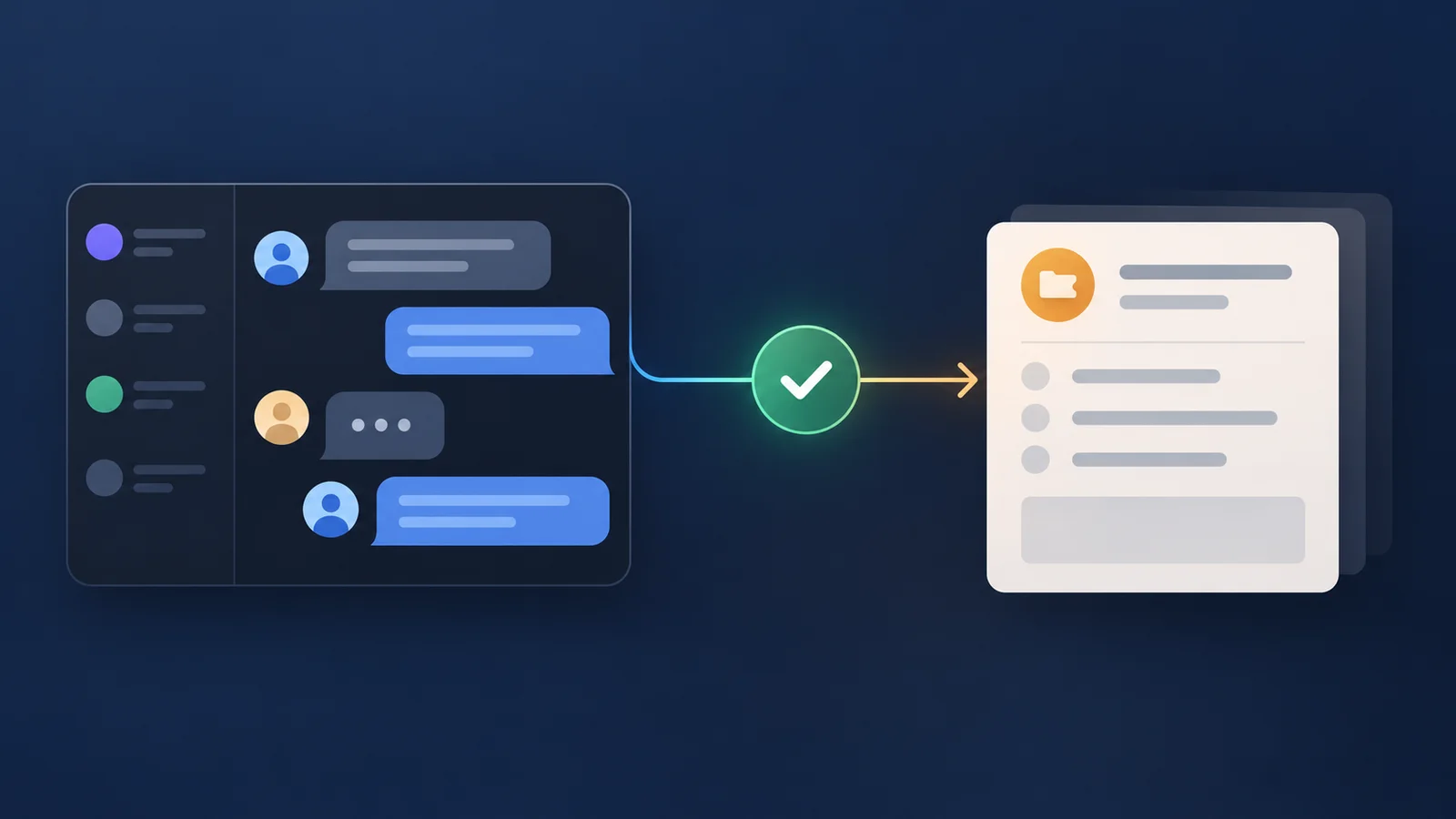
Snowflake says CoCo cut its monthly sales forecast from a week to hours
Snowflake's sales-finance team put certified data sources, finance definitions, recurring analyses and standard output formats into a CoCo profile, then built 36 reusable skills on that foundation.

Snowflake says its sales-finance team reduced a monthly forecast and variance-analysis process from more than a week to a few hours by pairing standing context with a reusable CoCo forecasting workflow. The company said the faster run now supports a midmonth update alongside the monthly forecast, and any analyst can rerun the skill to test a scenario.
The team performs more than 30 recurring analyses each month across topline forecasting, sales pipeline, commissions and business-performance reporting. Snowflake said its finance library grew from three starter skills to 36 in two months. It also said 87% of the first adopters were still using CoCo daily three months after launch. Those adoption and time-saving figures are Snowflake’s internal measurements and have not been independently audited.
At the base of the deployment is a profile created by Snowflake’s strategic finance analytics team for go-to-market finance. Snowflake describes a profile as context that CoCo reads before answering a question. This one includes more than 20 data sources certified by the analytics team; definitions for bookings, pipeline, quota and other metrics; recurring monthly and quarterly analyses; standard report and variance layouts; and escalation paths for numbers that appear questionable.
A technical source guide specifies which data sources to use and why. The analytics team centrally controls that source and terminology layer, while finance analysts build shared skills above it for individual jobs. Snowflake says the separation is intended to keep answers traceable to approved sources while letting the people who run a process encode its steps in a workflow their colleagues can inspect. For product context, Snowflake’s Semantic Studio general availability covers the company’s related work on governed semantic views.
Snowflake’s product documentation says administrators can publish profiles to selected roles with default models, skills, system instructions and response instructions. Users can override, customize or opt out of a profile for a session. The documentation also says access to CoCo, models or tools does not expand the data a user can see; existing Snowflake roles continue to govern data access.
The company’s internal usage comparison covered 44 finance users from February through May 2026. Snowflake said users with a profile reached an answer in about 1.3 steps, compared with about 3.0 steps for users without one. It also said each additional step without a profile added about 0.05 credits, or roughly 10 cents using its stated conversion of $2 per credit. A five-step session, the company said, cost about 3.5 times as much as a one-step session. Snowflake did not disclose how the 44 users were divided between the two groups, the number of prompts or sessions, the statistical treatment, or its precise definition of a step or answer.
CoCo Desktop skills are reusable packages of knowledge and instructions stored in folders with a SKILL.md file, according to Snowflake’s documentation. CoCo can invoke them automatically based on a request, or users can call them explicitly. Snowflake said its finance team converted several Excel workbooks into shared skills, including commission reconciliation, bookings budget-versus-actual analysis and topline forecasting.
For sales travel reporting, Snowflake said one skill chooses the reporting window, produces leader-level findings on budget variance, policy exceptions and top spenders, and drafts emails. The company said the work fell from hours across two teams to about 15 minutes. It did not publish before-and-after work logs, accuracy or error-rate measurements, reviewed forecast outputs, the number of first adopters behind the 87% figure, or the criteria used to define daily use.
More news

Bayer Crop Science builds multi-agent analytics engine on AWS

Zoom launches Unified Context Layer for enterprise AI agents

Uber begins ChatGPT Work rollout for more than 30,000 employees