South Korea tax-exam top scorer admits using AI to cheat
South Korea’s top scorer in the national tax-accountant exam admitted using a miniature camera, a smartphone and generative AI to cheat, prompting a police investigation into the qualification test.
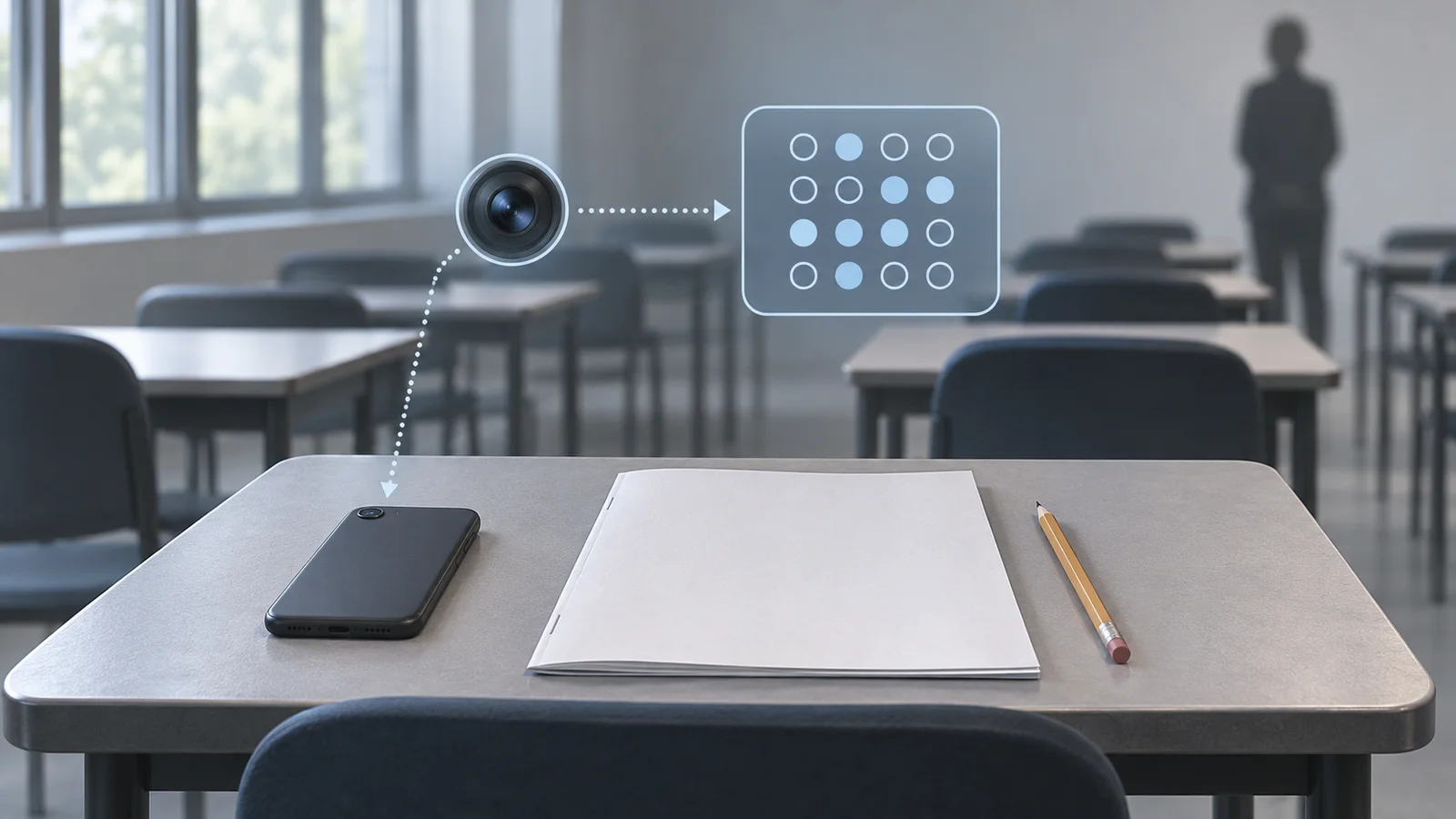
South Korea’s top scorer in the national tax-accountant qualification exam admitted using a miniature camera, a smartphone and generative AI to cheat across both stages of the test. The examinee submitted a written confession through a lawyer on Nov. 15, and the Seoul Metropolitan Police Agency assigned the case to a specialized investigative unit.
By the examinee’s account, he photographed questions with the camera, sent the images to a generative AI system and viewed its answers on a smartphone. The available evidence does not identify the camera or AI service, explain how the phone was concealed or establish the data path. For now, the described workflow remains an admission rather than a police-reconstructed finding.
The examinee answered 159 of 160 questions correctly in the April first-stage test, receiving 397.5 points out of 400. He scored 663 out of 800 in the written second stage in July and ranked first overall. The Human Resources Development Service of Korea administers the national qualification on the government’s behalf.
Two days before the admission, HRD Korea said its review had found no concrete evidence supporting suspicions involving smart glasses. The agency said all four proctors who supervised the examinee across the two stages reported no suspicious conduct or irregularity. Each examination room had two proctors. The examinee sat in the center of the second row in the first stage and the center of the front row in the second, but the rented school classroom had no CCTV footage available for review.
HRD Korea said smartphones, smartwatches and other electronic or communications devices were prohibited. It also said identity checks, device checks, announcements and proctor training had been conducted normally. The statement did not establish which check failed, whether radio-frequency detection was used in either room or whether the admitted setup would have been detected by measures the agency was preparing.
The agency had already formed an AI-cheating response task force and conducted a simulation involving smart-glasses cheating on Sept. 29. The drill included examiner training, belongings inspections and radio-frequency detection in an exam-like setting. On Nov. 13, HRD Korea said it planned to expand its 529 installed CCTV units, introduce radio-frequency detectors after field validation and strengthen checks and training for emerging electronic devices.
Police said the investigation remained active and would proceed under established procedures. The examinee’s admission had not been tested in court or confirmed in a completed police finding.
More news
Parents and senator press Google for separate school AI controls

AI-generated accounts copied comedians to promote paid adult content

Nikon disqualifies microscopy video winner over generative AI