TechCrunch Disrupt 2025: Robotaxis, Venture Realism and a Freight Startup Take Center Stage
TechCrunch Disrupt 2025 brought roughly 10,000 founders, investors and operators to San Francisco for three days of robotaxi news, blunt venture talk and AI debates. Freight startup Glīd took home the Startup Battlefield Cup.
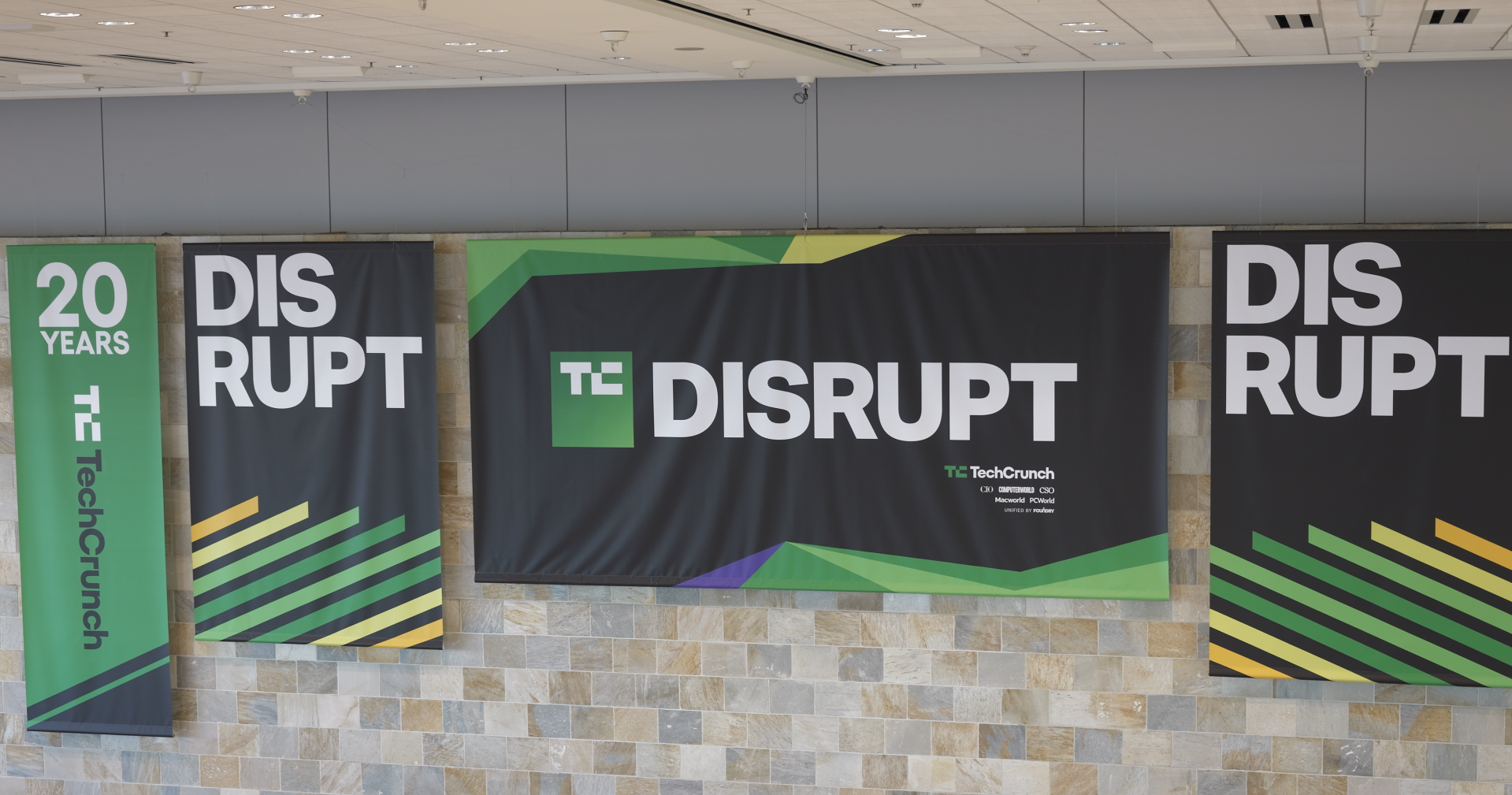
TechCrunch Disrupt 2025 wrapped up last week after three days, October 27 to 29, at Moscone West in San Francisco. TechCrunch put the crowd at roughly 10,000 founders, investors and operators. The program was spread across several stages, including the main Disrupt Stage, the AI Stage, the Builders Stage, a Space Stage and a new Going Public Stage focused on IPOs and late-stage strategy. The Expo Hall featured more than 300 startups, and 200 early-stage companies were selected for the Startup Battlefield 200 program. The edition also marked TechCrunch's 20th anniversary as a publication.
Some of the sharpest remarks came from investors. Sequoia's Roelof Botha argued that venture capital is not really an asset class, noting that the number of VC firms has roughly tripled since 2003 to about 3,000 while only around 20 companies a year reach billion-dollar outcomes. Vinod Khosla floated the idea of the U.S. government taking a 10% stake in every public company to share AI-driven gains with citizens, and predicted a "hugely, hugely deflationary" economy by 2035. Elad Gil warned that fast early revenue in AI can be a false signal driven by enterprises experimenting with everything. Astro Teller, who leads Alphabet's X, said the moonshot factory succeeds only about 2% of the time and makes that work by killing projects quickly.
Autonomy and physical AI produced much of the event's news. Waymo co-CEO Tekedra Mawakana said scaling is imperative and told the audience to expect about one million trips per week by the end of 2026. Her answer that society would accept a death caused by a robotaxi drew widespread coverage. Waabi CEO Raquel Urtasun unveiled an autonomous truck built with Volvo, and Slate Auto CEO Chris Barman brought the company's electric pickup onto the main stage. Wayve CEO Alex Kendall, who spoke on the AI Stage, talked up Nvidia's Hyperion platform for self-driving vehicles in comments to TechCrunch backstage.
The future of work and founder culture were recurring threads. Zoom CEO Eric Yuan said AI could shrink the workweek to three or four days within about five years, describing that as a goal. Box CEO Aaron Levie said enterprise software will pair traditional SaaS with AI agents working on top of it, with perhaps 100 to 1,000 times more agents than people. Cluely CEO Roy Lee defended provocative, viral marketing as a strategy while declining to share revenue numbers. NBA champion Tristan Thompson used the stage to launch Uplift with World Mobile, a community-owned mobile network with plans from $9.99 a month.
The Startup Battlefield final came on the last day. The Top 20 pitched on October 27 and 28, and five finalists took the stage on October 29: Glīd, Nephrogen, Charter Space, MacroCycle and Unlisted Homes. Glīd, which builds vehicles and software to move freight containers from road to rail, won the $100,000 equity-free prize and the Startup Battlefield Cup. Nephrogen, which uses AI to develop a system for delivering gene-editing medicines to cells in the kidney, finished as runner-up. The final-round judges included Cowboy Ventures' Aileen Lee and Digg founder Kevin Rose.
An entrepreneur with over a decade of experience in AI, Cloud, and HPC. He is currently a DevOps Architect and the founder of Data Phoenix, an influential media voice for the AI industry, with a strong focus on community building and open source.
More news

Meet the companies in TechCrunch's 2026 Startup Battlefield 200
Dmytro Spodarets·Aug 21, 2026Glīd Wins Startup Battlefield at TechCrunch Disrupt 2025 with Road-to-Rail Freight Vehicles
Dmytro Spodarets·Oct 30, 2025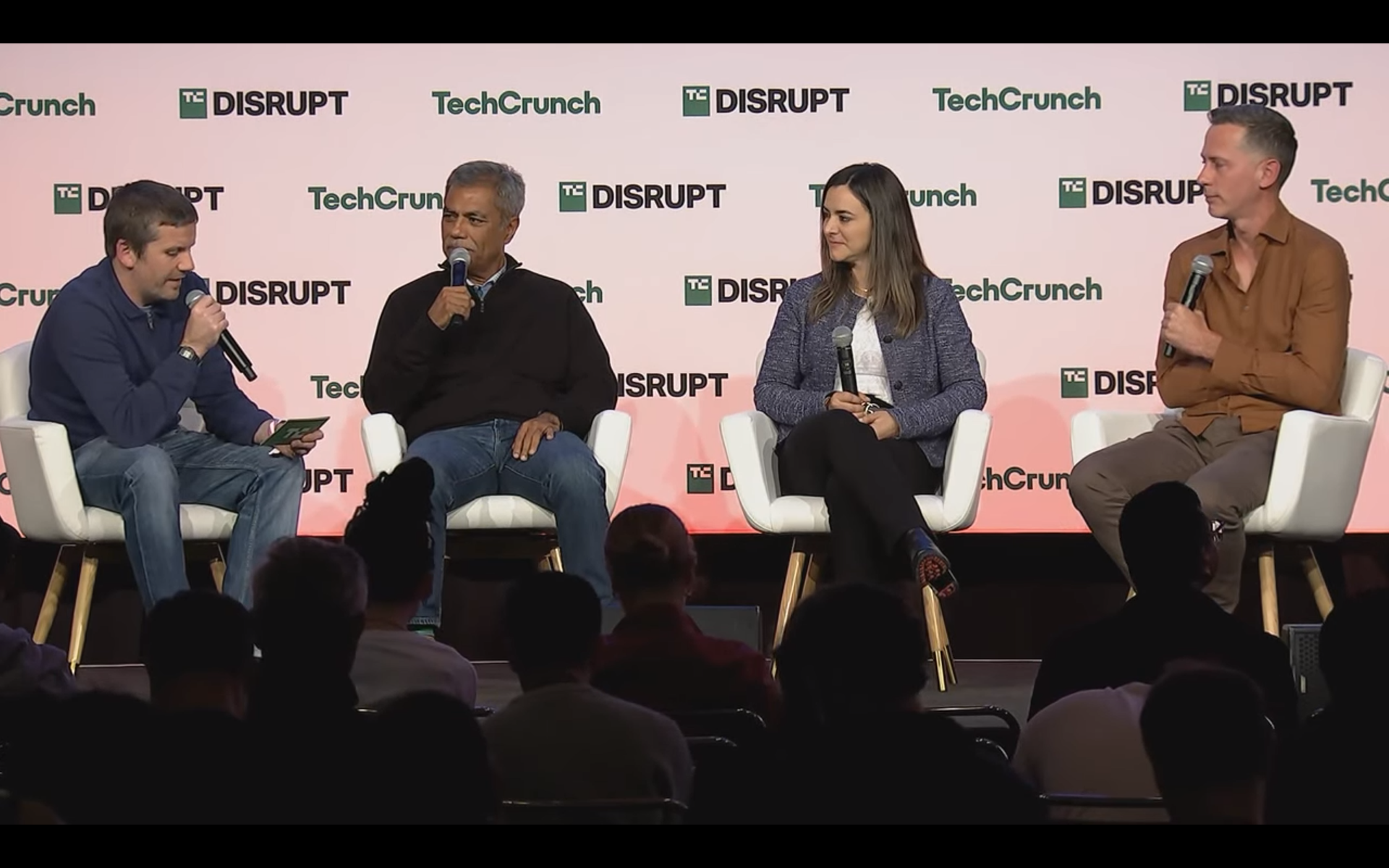
Why companies should start small with their data pipeline
Dmytro Spodarets·Nov 5, 2024
Does it matter whether we can define what counts as an open-source model?
Dmytro Spodarets·Nov 4, 2024