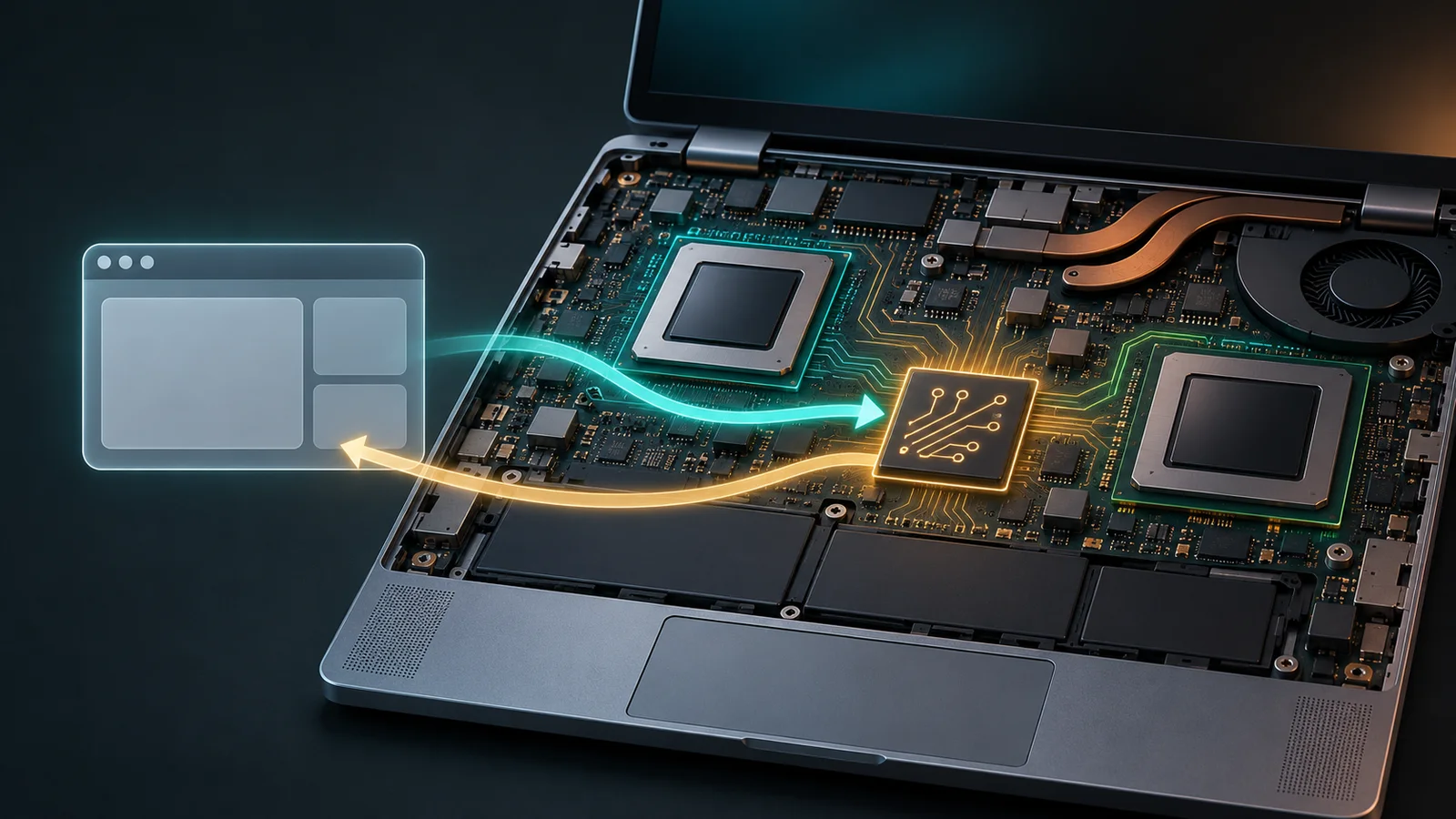
Ziadé reports running a 180B Qwen model on a 32 GB Mac with a Transformers prototype
A Transformers prototype kept expert weights and an embedding table on SSD and used a fixed-size cache in memory. Tarek Ziadé measured about 13.8 tokens per second for short answers.
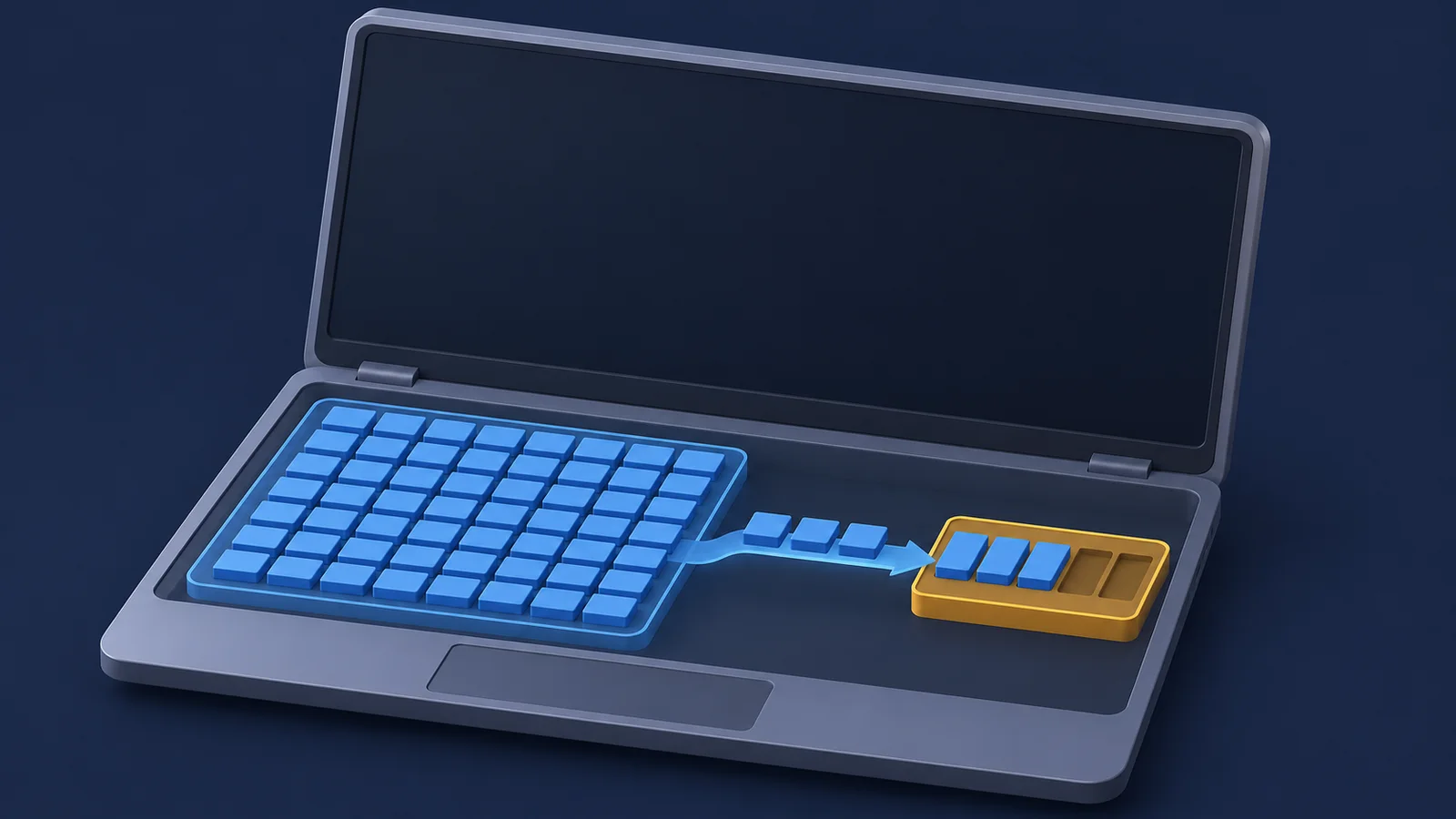
Tarek Ziadé reported using a Transformers prototype to generate text with Qwen3.8-Flash-Next, a 180-billion-parameter model, on an M5 MacBook Pro with 32 GB of unified memory. The prototype kept the full set of routed expert weights and a large embedding table on the laptop’s SSD and loaded only the pieces it needed.
In his November 17 benchmark log, Ziadé recorded short-answer medians of 13.81 and 13.80 tokens per second for the optimized prototype. He reported 14.8 tokens per second for Strata 0.1.60 across three rounds on the same Mac and prompts.
Each prototype median covered four 200-token answers, with an empty expert cache at the start of the first prompt. The runs used Strata’s compressed expert weights and had thinking and speculative drafting disabled. No published independent test has replicated the comparison with the same hardware, weights and protocol.
Each decoder layer in the Qwen model routes each token to 10 of its 512 specialized subnetworks, called experts, and also uses a shared expert. Ziadé kept about 43 GB of compressed routed expert weights on SSD and set aside 12 GiB of device memory for the expert cache. The prototype used weights already in the cache and recycled slots for weights fetched from SSD-backed storage.
The loader kept a roughly 51 GB embedding table on SSD and read a few rows at a time. The table stores representations of short token sequences, and the dense layers stayed on the device. The test covered text generation and left the vision and multi-token prediction modules unloaded.
The draft Transformers pull request proposes expert streaming through a model-loading option called experts_offload. The proof of concept currently targets PyTorch’s Metal Performance Shaders backend for Apple GPUs. Ziadé published the Qwen-specific loader and Metal kernels in his separate moe-expert-streaming package, which uses the draft branch and handles the disk-backed embedding table.
More news

Sony and Nimway announce SENVY workplace sensor with on-device AI
Paradromics announces NVIDIA collaboration on neural speech decoding
Intel adds Nova Lake support to its Linux NPU driver