Study estimates 82 TWh of electricity use at 403 US hyperscale data centers
A Nature Sustainability study modeled electricity use and attributable carbon emissions for 403 US hyperscale data centers, estimating 81.8 TWh and 25.7 million metric tons of CO2 under its central scenario.
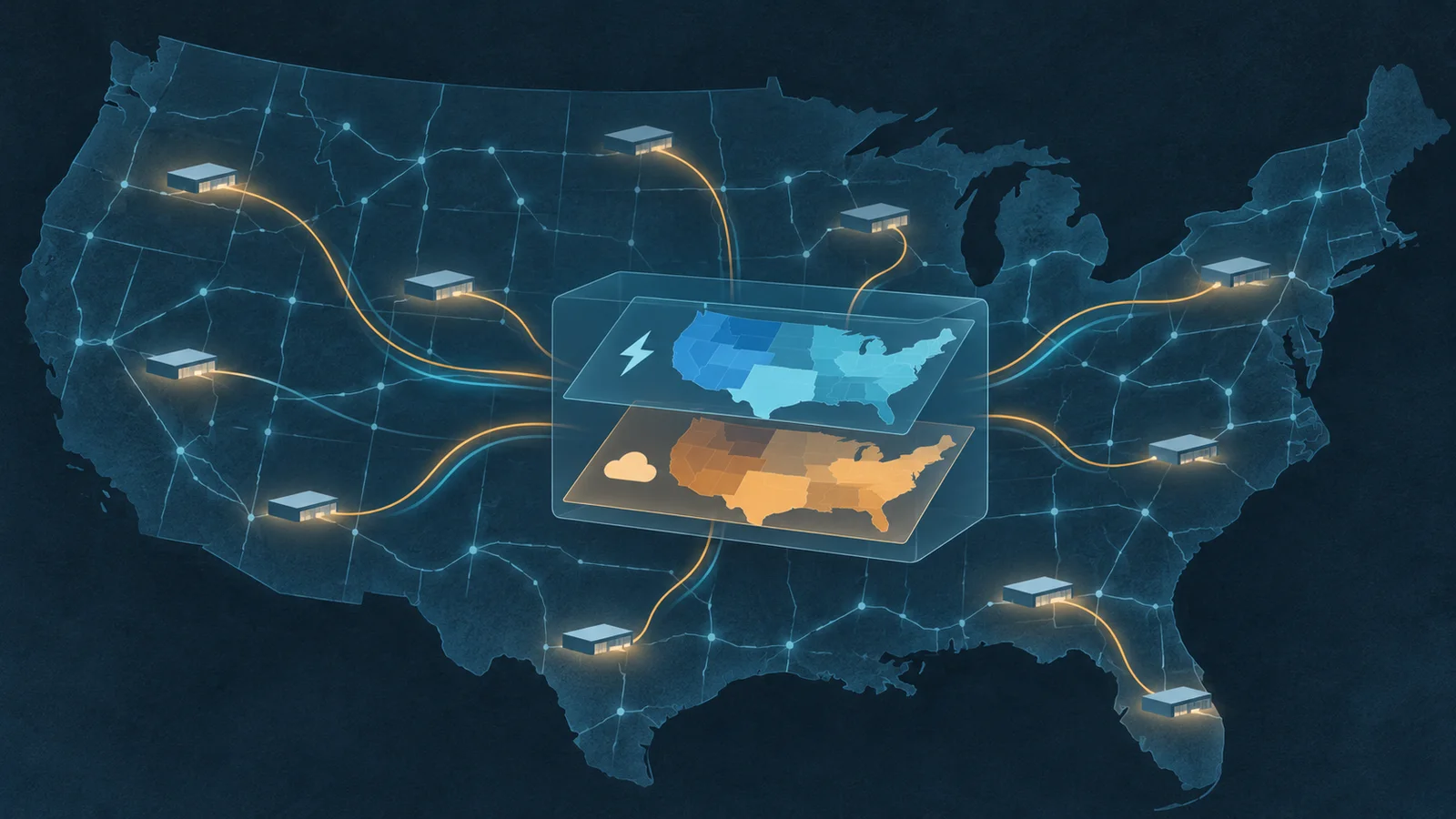
A Harvard-led research team estimated that 403 US hyperscale data centers used 81.8 terawatt-hours of electricity from May 2024 through April 2025 under its central scenario. That equals about 1.8% of total US electricity consumption. Over the same period, the model attributed 25.7 million metric tons of carbon dioxide to the facilities. The estimates came from site capacities and an assumed load coefficient, not electricity readings or emissions reported by operators.
Across four load scenarios, the study estimated electricity use ranging from 67.7 TWh to 98.7 TWh and emissions from 21.3 million to 31 million metric tons. The central case assumed the facilities drew an average 58% of their total electrical capacity.
Researchers began with 675 listed facilities. They used geocoding, OpenStreetMap building footprints, manual review and satellite or aerial imagery to validate the 403-site sample. Reported power capacity was available for 397 sites, while a regression model estimated capacity for the remaining six. The team calculated annual electricity use by multiplying each facility’s capacity by 8,760 hours and the load coefficient for each scenario.
To estimate emissions, the researchers applied 2023 US Environmental Protection Agency plant data to the average generation mix in each facility’s balancing authority. The model attributed about 53.9% of generation to fossil fuels, including roughly 38% natural gas and 15% coal; nuclear accounted for 20.9% and renewables for 25.3%. The authors’ reproducibility materials put electricity-weighted carbon intensity at about 314 grams of CO2 per kilowatt-hour, compared with a US total-output average of about 348 grams.
The method does not identify the power plant that physically supplied a facility, measure hourly or marginal emissions, or use operator-supplied emissions. The researchers said the sample was not a complete census and did not separate AI-specialized workloads from cloud, storage and other computing. Virginia, Oregon, Ohio and Iowa together accounted for more than half of the electricity use studied.
More news
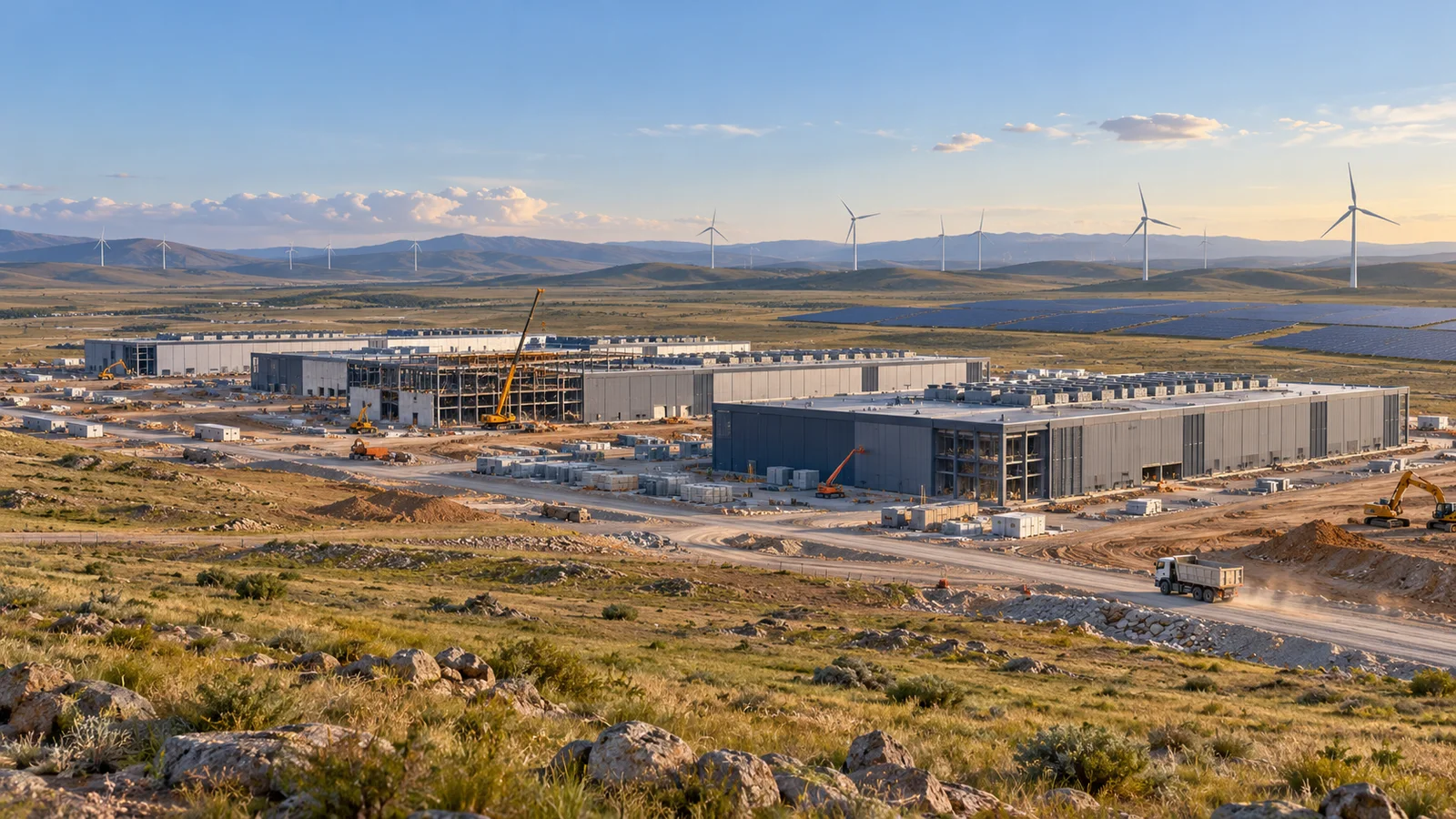
Envision sets 2028 target for 3 GW Inner Mongolia data-center campus

OpenAI reportedly plans to buy Google TPUs after renting capacity
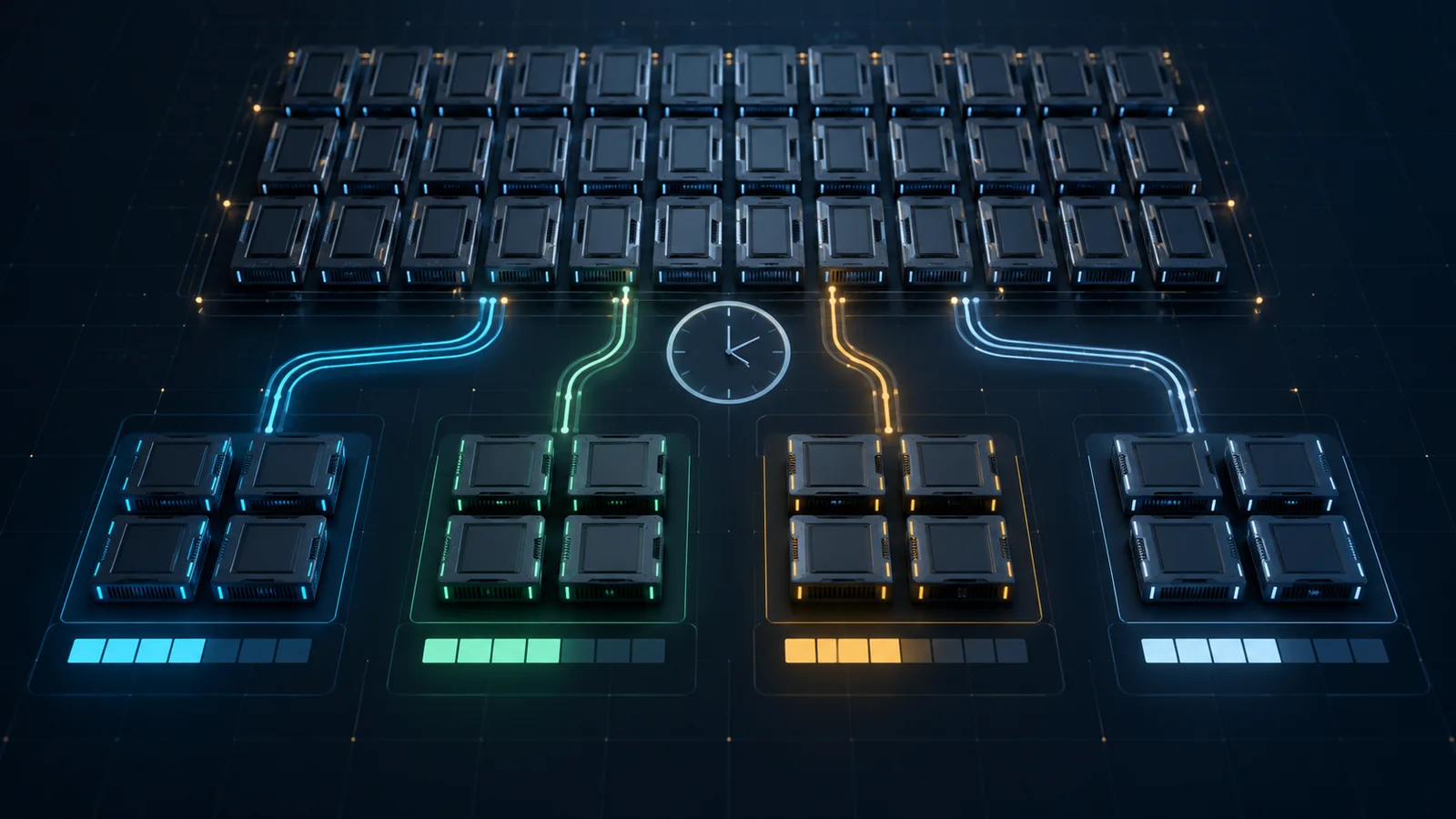
Ai2 swaps GPU job priorities for time budgets