US power pipeline shifts toward gas as data-center demand rises
A report from Environmental Defense Fund and Atlas Public Policy says proposed US generating capacity is shifting toward gas amid rising data-center demand and policy changes.
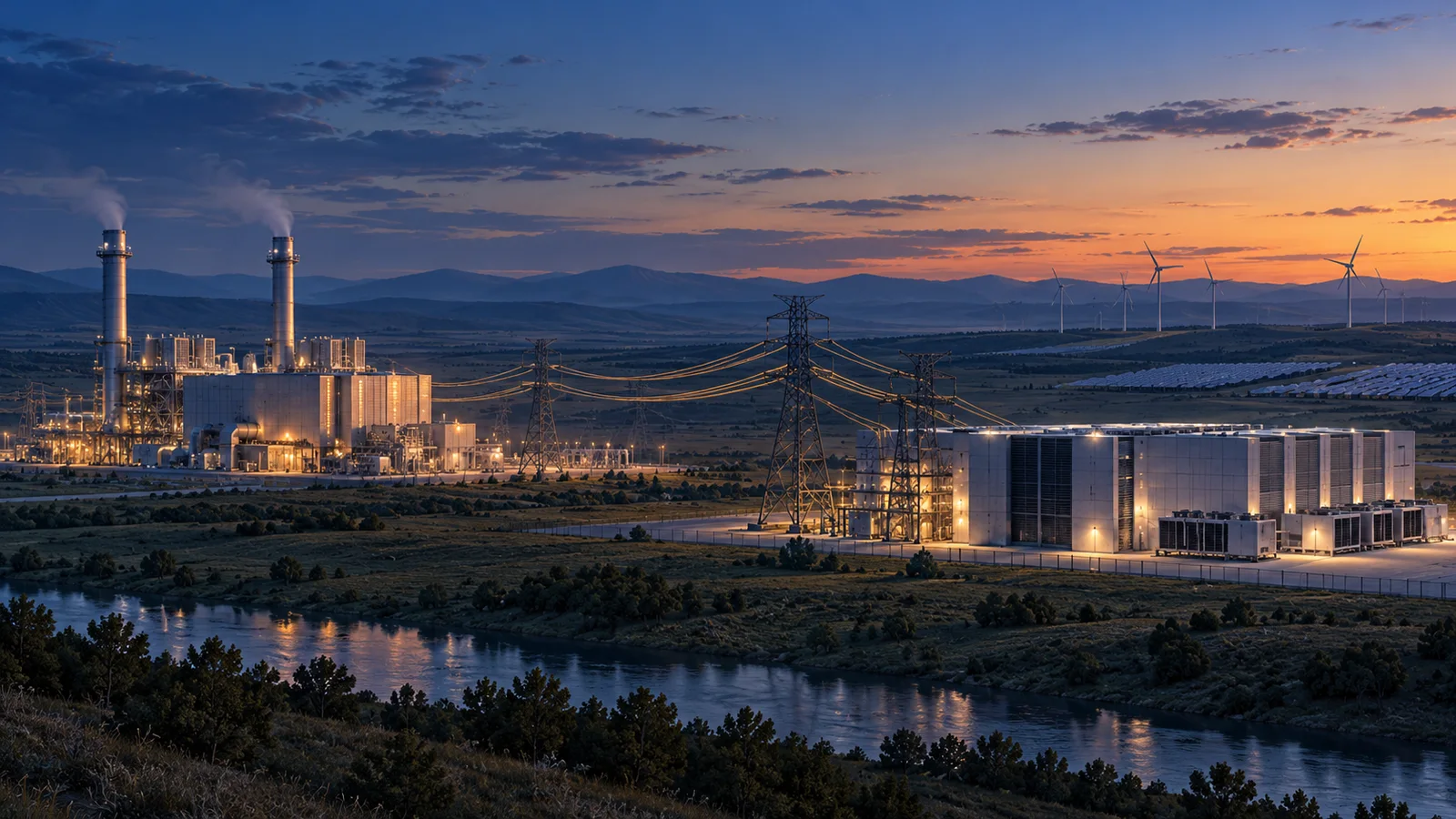
Developers reported plans for about 68 gigawatts of new US fossil-fuel generating capacity from 2026 through 2030, Environmental Defense Fund and Atlas Public Policy said in an October 13 report. The total, nearly all of it natural gas, was 45% higher than six months earlier, according to the groups.
The 68 GW figure covers reported proposals, not committed construction. The EIA’s generator inventory tracks proposed units of at least 1 megawatt, relies on preliminary data that may be corrected and says inclusion does not represent a commitment to build.
EDF said fossil fuels had reached their highest share of the development pipeline since 2016, at about 30%. If projects enter service on developers’ reported schedules, the groups said fossil fuels—primarily natural gas—could account for about 70% of generating capacity added in 2030. Clean power still dominates capacity entering service now, reflecting projects planned over several years.
Atlas’s second-quarter update shows the same shift: planned and under-construction gas capacity rose by 23.5 GW in the first half of 2026. Atlas counted 14.9 GW of clean-power project cancellations during that period, more than the 13.1 GW it recorded for all of 2025.
Rising electricity use forms part of the backdrop. The US Energy Information Administration identified large computing centers as the main driver of US demand growth and forecast electricity use to rise 1.9% in 2026 and 2.5% in 2027. In a separate higher-demand scenario that held generating capacity unchanged, the agency projected natural-gas generation would rise 7.3% from 2025 to 2027, compared with 1.7% in its baseline forecast.
EDF and Atlas attributed part of the pipeline change to federal policies affecting clean-energy tax credits and coal-plant operations. IRS guidance says a 2025 law ends two clean-electricity credits for certain wind and solar facilities placed in service after December 31, 2027, when construction begins after July 4, 2026. In June, the Energy Department ordered a unit at Washington’s Centralia coal plant to remain available through September 12.
The report’s authors cautioned that gas-turbine supply constraints, rising costs and uncertainty over projected large-load demand could keep some proposed fossil projects from being built.
More news
Microsoft ends Nscale Loughton data center deal after grid delay
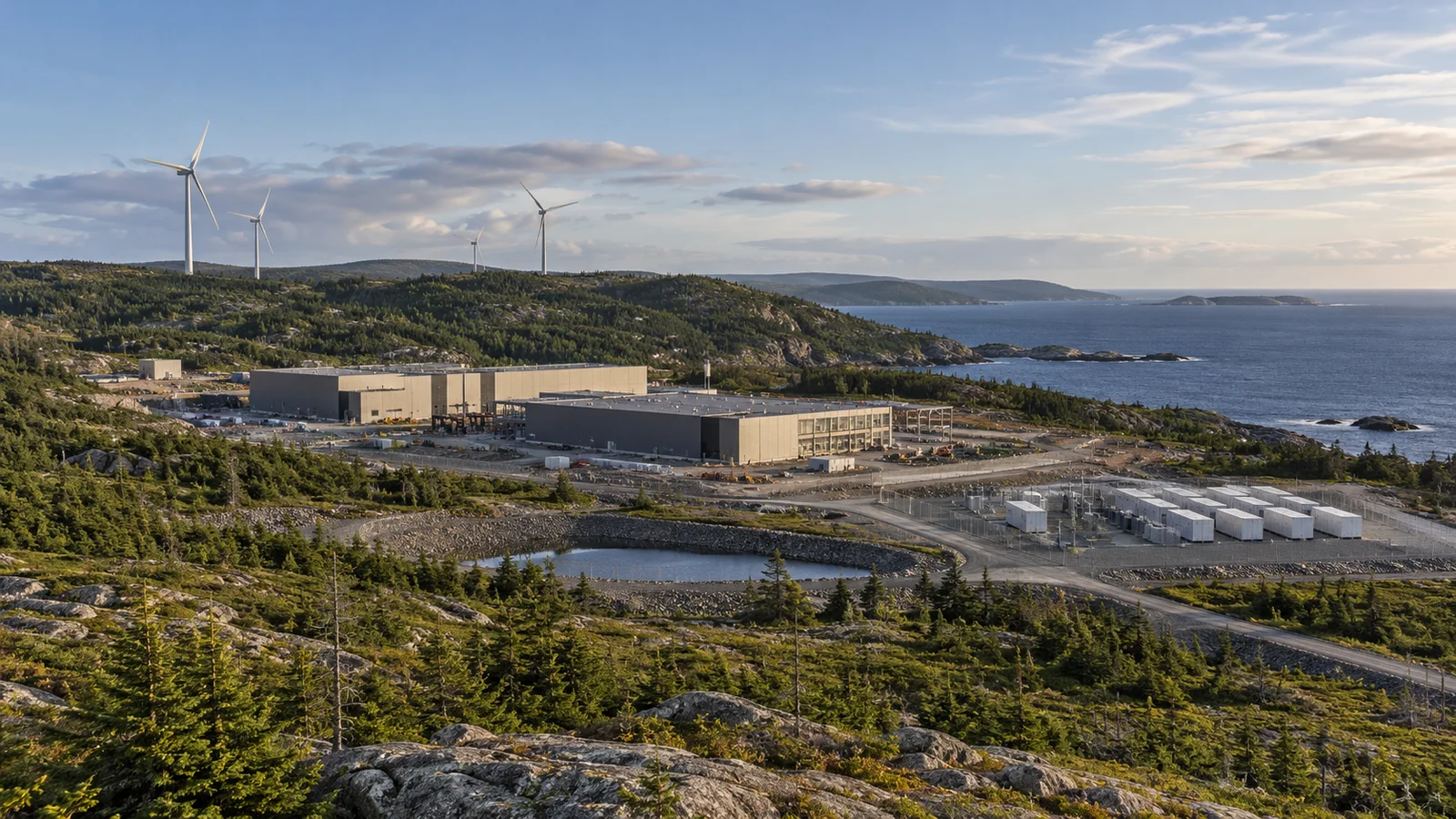
EverWind outlines more than $10 billion Nova Scotia data-center and wind buildout
Schneider Electric raises 2026 targets as data-center demand stays high