US extends advanced-chip controls to remote AI compute
The Commerce Department rule will extend chip-export licensing to data centers that provide large amounts of remote compute to companies tied to Macau or Country Group D:5 destinations.

The U.S. Commerce Department’s Bureau of Industry and Security issued an interim final rule for certain advanced-computing equipment supplied to data centers. Under the rule, exporters will need licenses when they know those facilities will provide large amounts of remote compute to or for restricted companies.
The rule extends export-control requirements beyond the destination of a physical chip or server to the customer that ultimately uses its computing power. It covers companies headquartered in Macau or a Country Group D:5 destination, along with companies whose ultimate parent is headquartered there, when covered remote access exceeds 12 million aggregate TPP at one data center or across linked facilities.
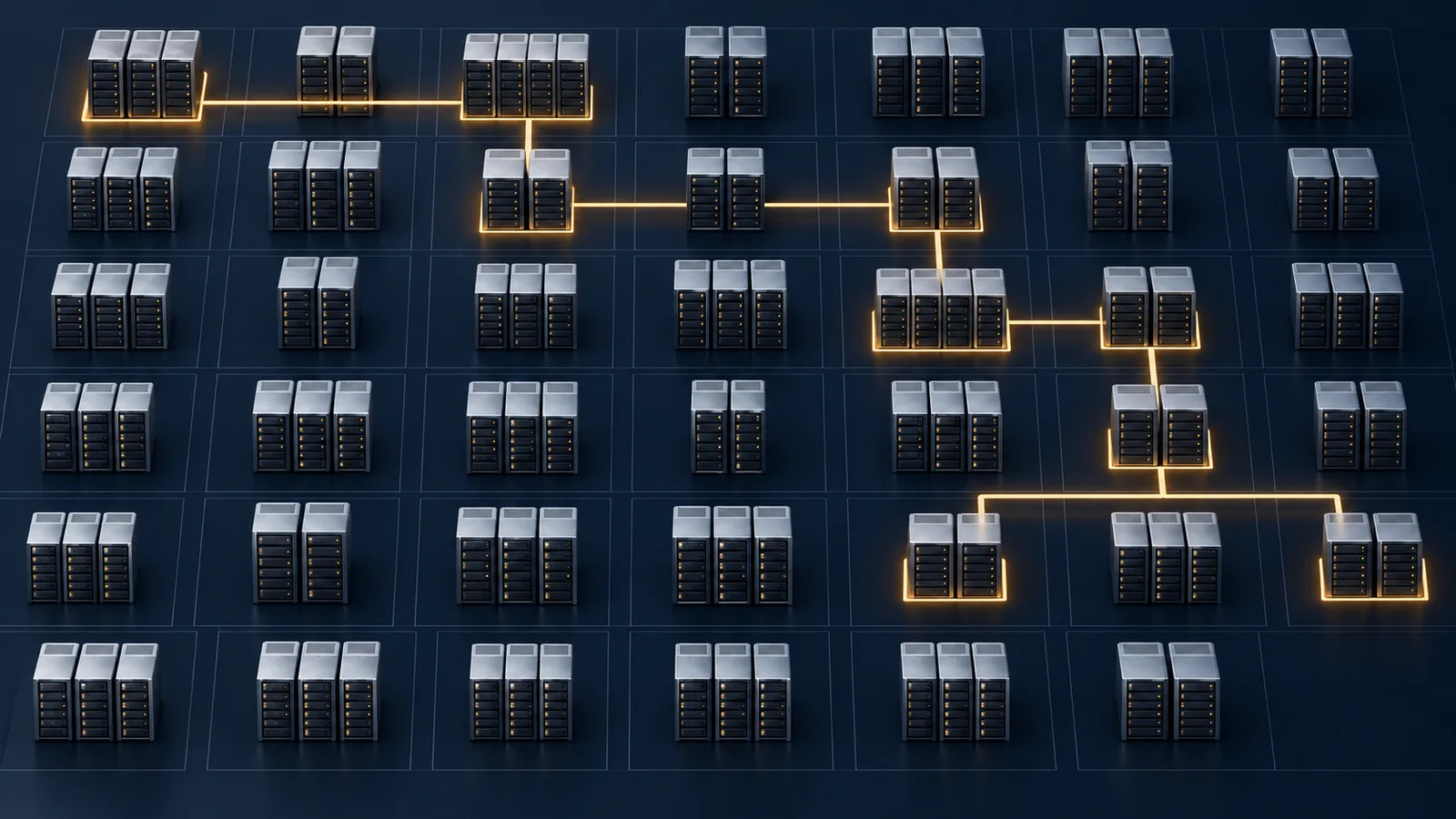
Under the public-inspection text, linked data centers include facilities that share resources, balance workloads and replicate data as a unified whole. That provision prevents an operator from avoiding the threshold by splitting a workload across connected sites. Providing compute “for an entity” also covers a customer outside the restricted destinations when there is knowledge that it is training a model for, participating in training for or providing models to a restricted company.
New section 744.24 will require exporters, reexporters and transferors to gather enough information about a foreign data center’s customer checks to establish that they lack knowledge of a prohibited end use. The checks must address direct or indirect ownership or control by people or entities in Macau or Country Group D:5 destinations. Inadequate information is a red flag that presumptively supplies knowledge unless resolved.
License applications will be reviewed case by case, rather than under a categorical ban on every covered remote-computing arrangement. The codified text also provides an exception when compute is used exclusively for a commercial recommender system and required information is submitted to BIS. Its definition excludes systems that generate novel text, images, audio, video, software or other content.
China appears in BIS Country Group D:5, which puts China-headquartered companies and companies with a China-headquartered ultimate parent within the end-user scope when the rule’s other conditions are met. BIS says the measure is intended to prevent restricted companies from using U.S. advanced semiconductors to train advanced models. Neither the rule nor the opened sources establishes how much remote compute Chinese AI companies currently use, how much access the measure will prevent or whether all such access will end.
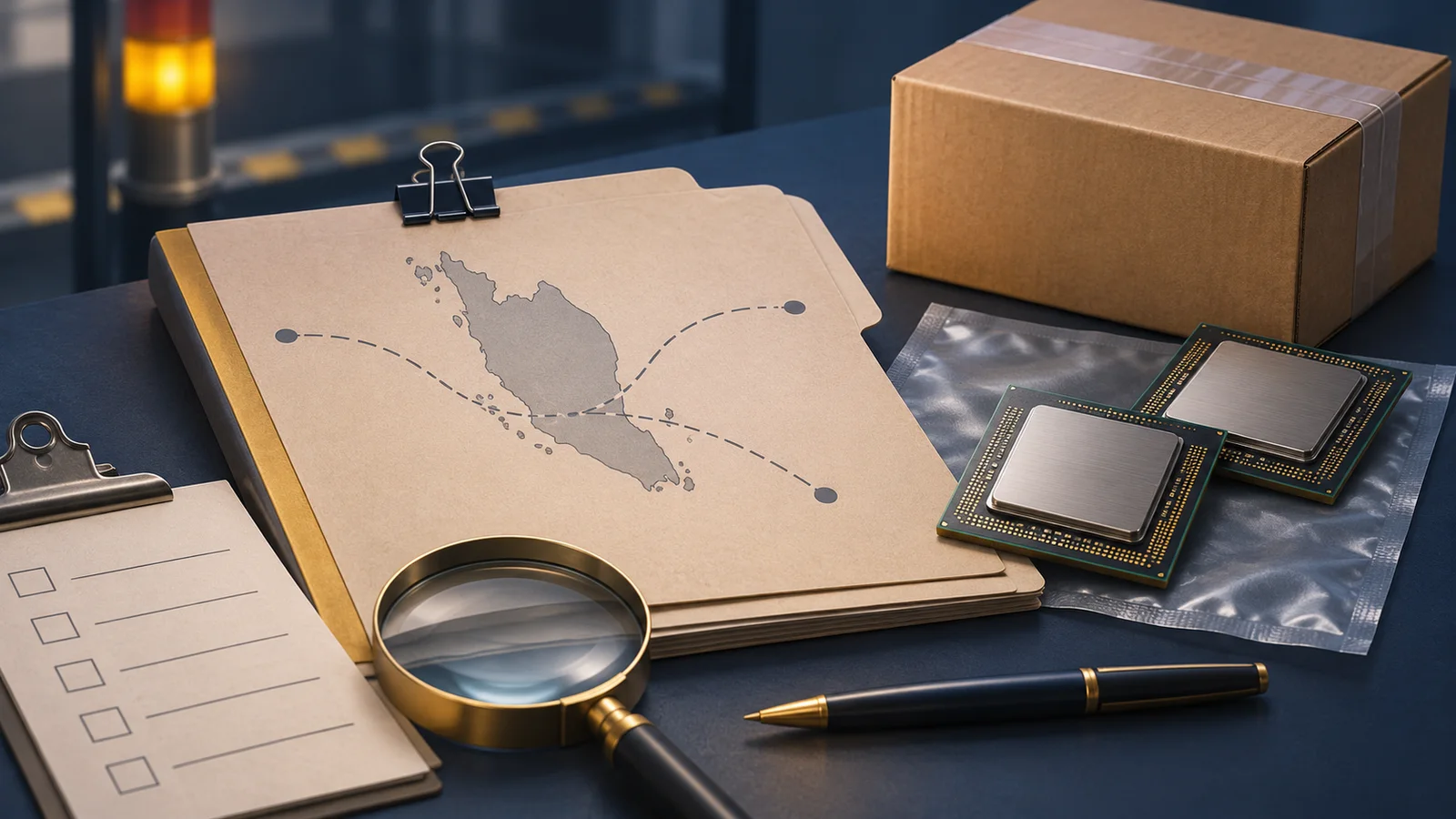
The rule will separately require licenses for covered advanced-computing items exported, reexported or transferred to or within Indonesia, Malaysia, Singapore, Brazil and Thailand, which BIS identifies as elevated diversion risks. The requirement does not apply when the ultimate consignee or end user is headquartered in the United States, or has a U.S.-headquartered ultimate parent, if the exporter meets monthly reporting obligations.
The interim rule also rescinds provisions that implemented the 2025 AI Diffusion Rule. In their place are the new destination- and end-use provisions, which replace the earlier country tiers and specified model-weight controls. The public-inspection copy is scheduled for Federal Register publication on Nov. 19, 2026, and still contains bracketed placeholders for the publication date, effective date and comment deadline.
More news

Bessent calls for outside CEO and leadership shakeup at Nvidia
Singapore charges fifth person in AI-server fraud case
Malaysia reviews Megaspeed unit’s possible AI chip re-exports