Beyond the DAG: Building Agentic Workflows That Loop, Branch, and Scale
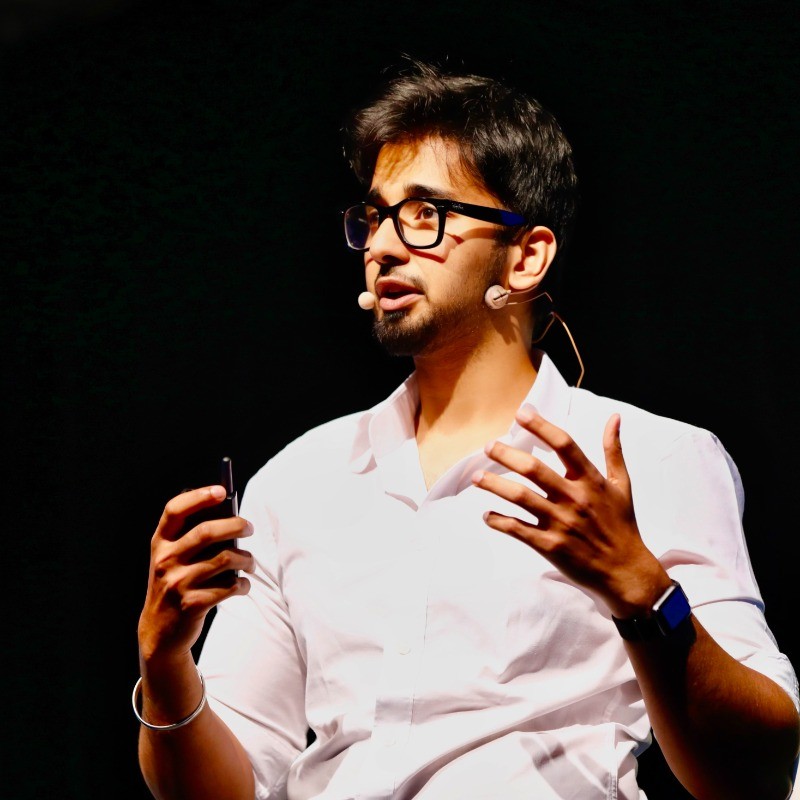
Agentic workflows loop, branch, retry, and trigger new work instead of following a fixed DAG. Santosh Kumar Radha explains how AgentField uses typed functions, structured outputs, stopping and escalation patterns, event triggers, and controls for scaling, identity, and authorization.
Chapters
- Welcome and session context
- AgentField's AI backend model
- Scaling intelligence with structure
- From LLM calls to agent systems
- Loops, harnesses, and graphs
- Just-in-time workflow graphs
- Human intervention across system levels
- Models, structure, and longer tasks
- Programming beyond fixed graphs
- Typed functions as agent services
- Human workflows as architecture patterns
- Event-driven workflow triggers
- Code review architecture
- Sieve stopping conditions
- Escalating higher-order failures
- Reactive data triggers
- Infrastructure for stochastic functions
- Large-scale pull request review
- Autonomous software factory
- Engineering with autonomous systems
- Agents that request human input
- Rethinking organizational processes
- Takeaways and open-source tools
- Q&A: opening discussion
- Q&A: technical and nontechnical agents
- Q&A: production deployment
- Q&A: production architecture
- Q&A: agent identity and authorization
- Q&A: decentralized identity adoption
- Q&A: license and hosting
- Q&A: identity system integration
- Q&A: portable agent permissions
- Q&A: cross-system authorization limits
- Q&A: revoking agent permissions
- Q&A: reusable harness templates
- Q&A: structured harness inputs and outputs
- Q&A: interfaces for sub-harnesses
- Q&A: planning for uncertainty
- Closing remarks and farewell
Fixed workflow graphs become hard to manage when agents need to loop, branch, retry, or ask for human input. Santosh Kumar Radha shows how AgentField represents agents as typed functions with structured interfaces, allowing the workflow graph to emerge at runtime. He maps planning, implementation, review, correction, and approval into reusable patterns, then covers stopping conditions, escalation paths, and event-driven triggers. The discussion also turns to production concerns: control planes, scaling, identity, authorization, policy, revocation, and when teams should reuse an existing harness.
More from the studio
 1:02:51Tech Talks
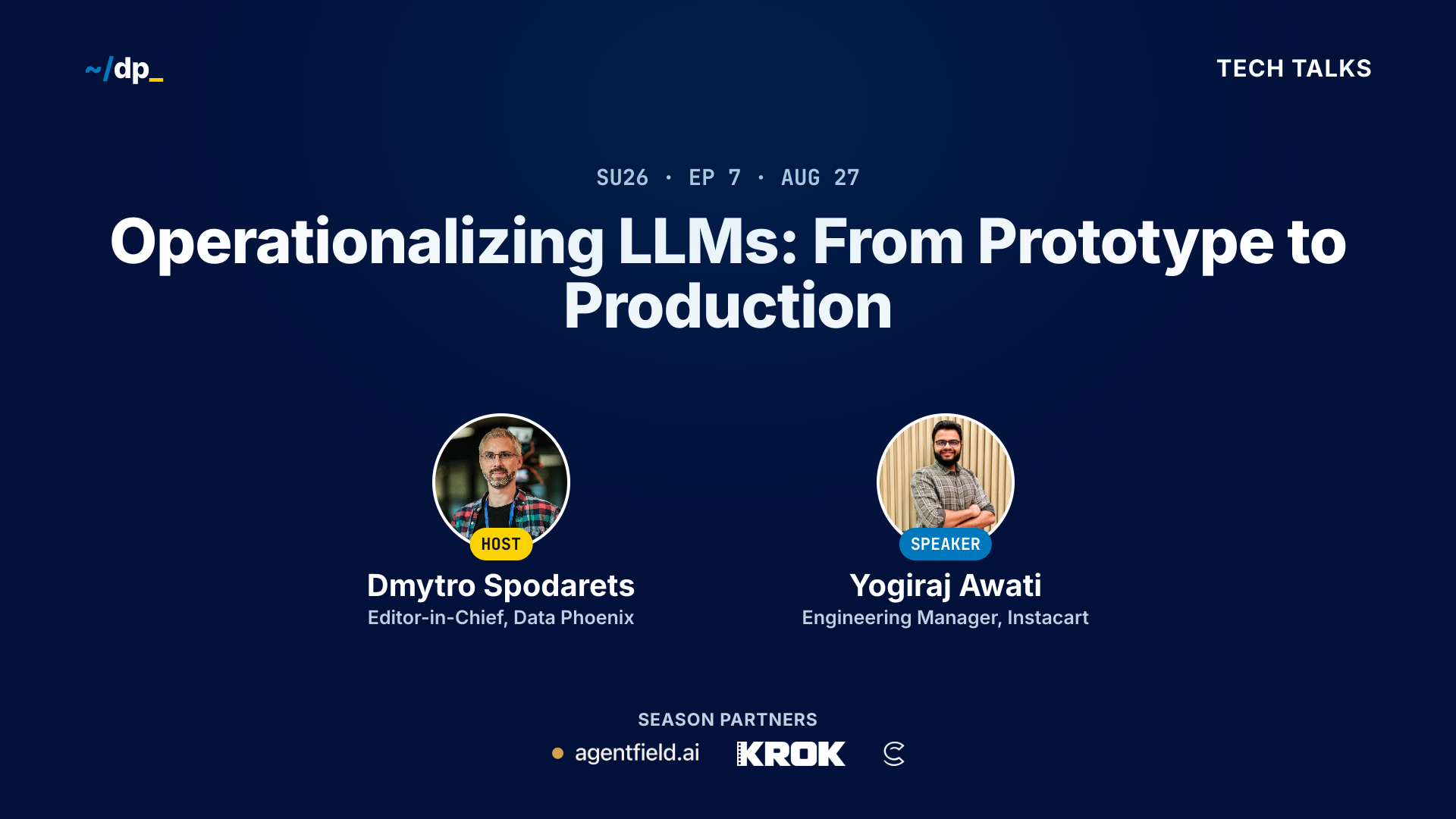
Operationalizing LLMs: From Prototype to Production
Yogiraj Awati shares how Instacart moves LLM applications beyond prototypes through retrieval, offline and online evaluation, guardrails, observability, and provider fallbacks. Two case studies cover recipe ingestion and Carebot support workflows with API-backed actions and human handoff.
 Yogiraj Awati·Sep 17, 2026
 48:04Tech Talks
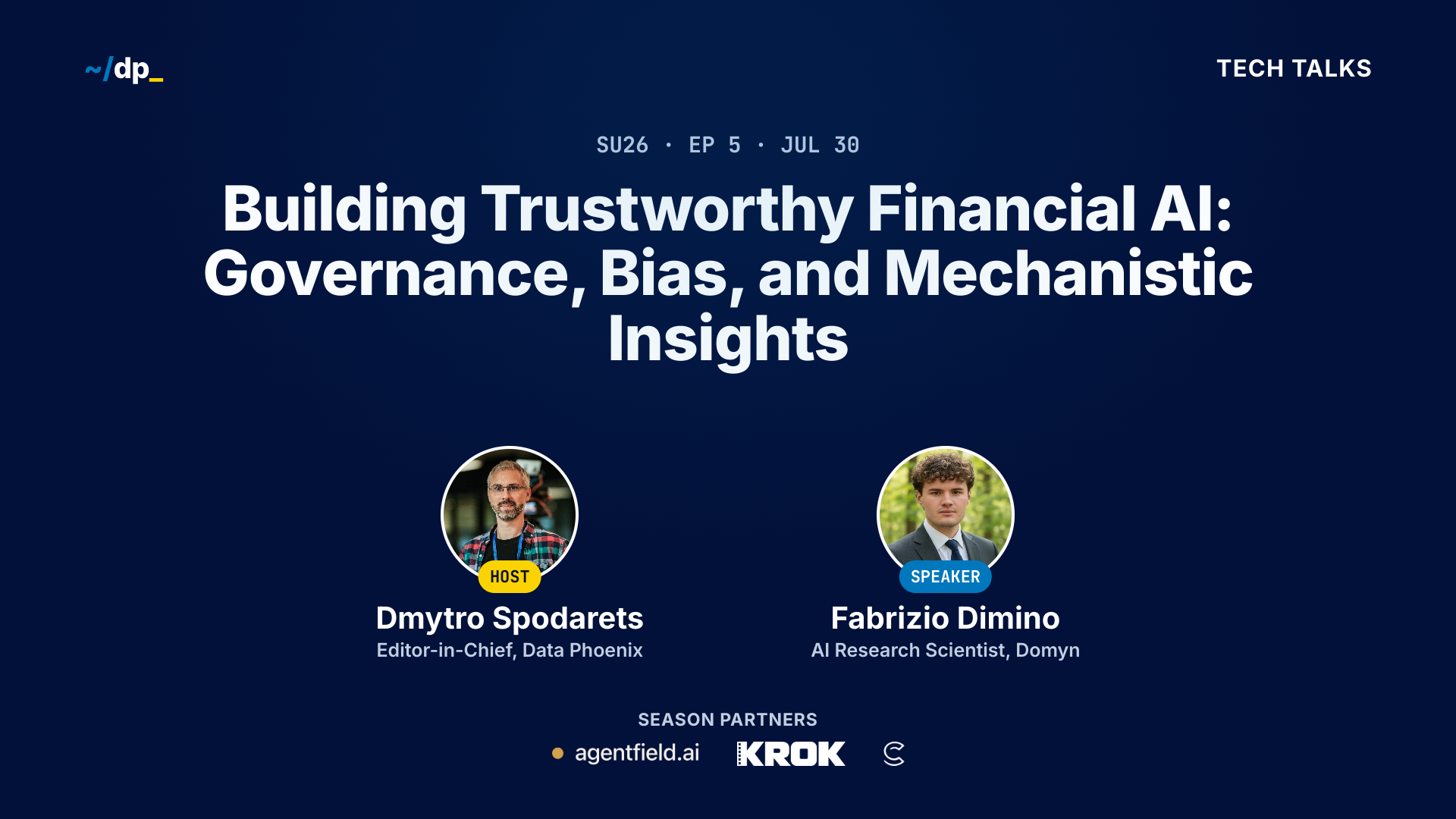
Building Trustworthy Financial AI: Governance, Bias, and Mechanistic Insights
Fabrizio Dimino examines why financial LLM recommendations can change when option order changes. He connects positional-bias tests and mechanistic interpretability with finance-specific red teaming, risk-sensitive scoring, model validation, and AI governance.
 Fabrizio Dimino·Sep 17, 2026
 1:05:16Tech Talks
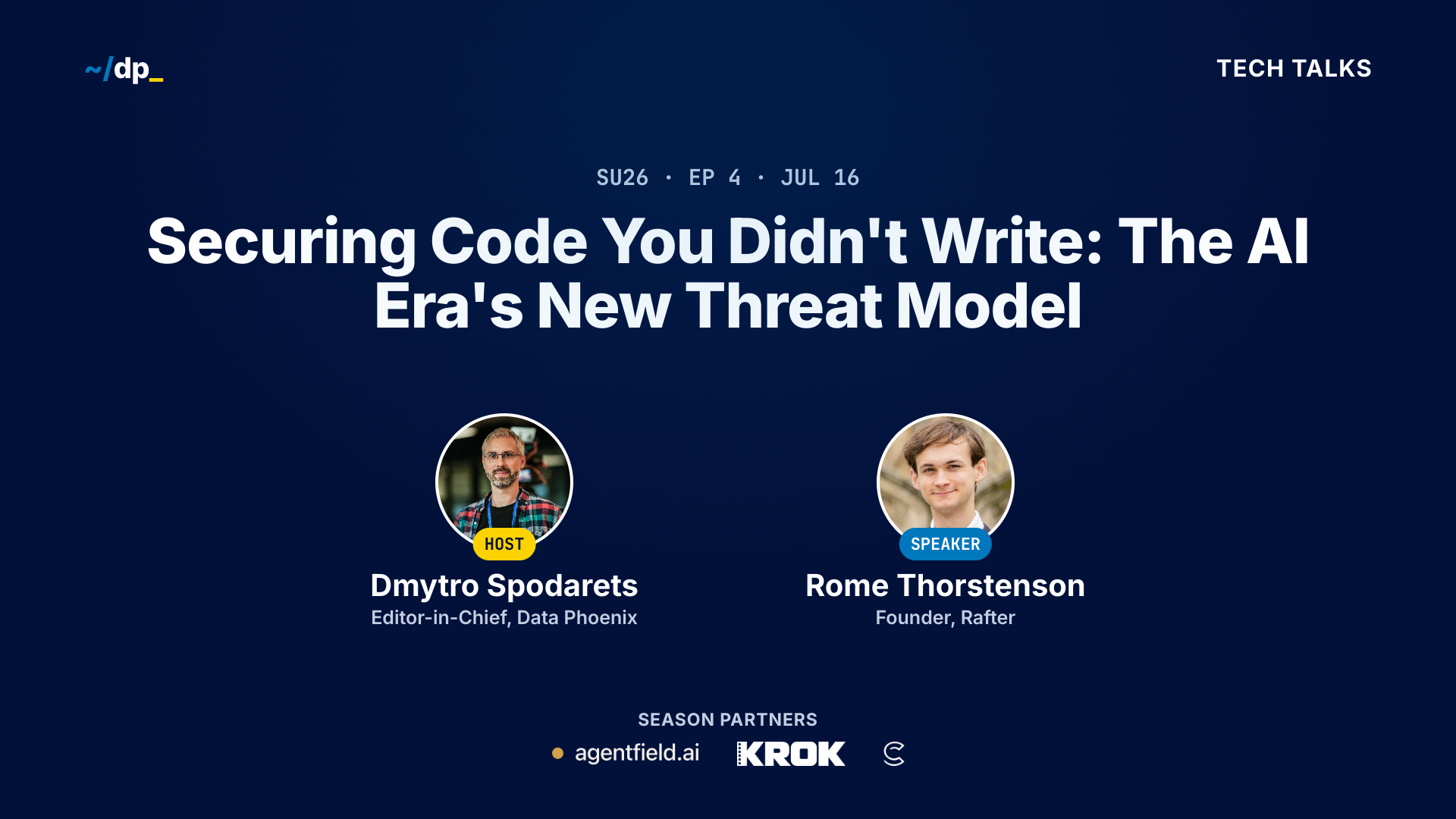
Securing Code You Didn't Write: The AI Era's New Threat Model
Coding agents expand the software supply chain to include repositories, configuration, comments, connectors, and tool output. Rome Thorstenson examines reported attacks and outlines practical controls for permissions, secrets, prompt injection, and defense in depth.
 Rome Thorstenson·Sep 17, 2026