Scalable Diffusion Models with Transformers
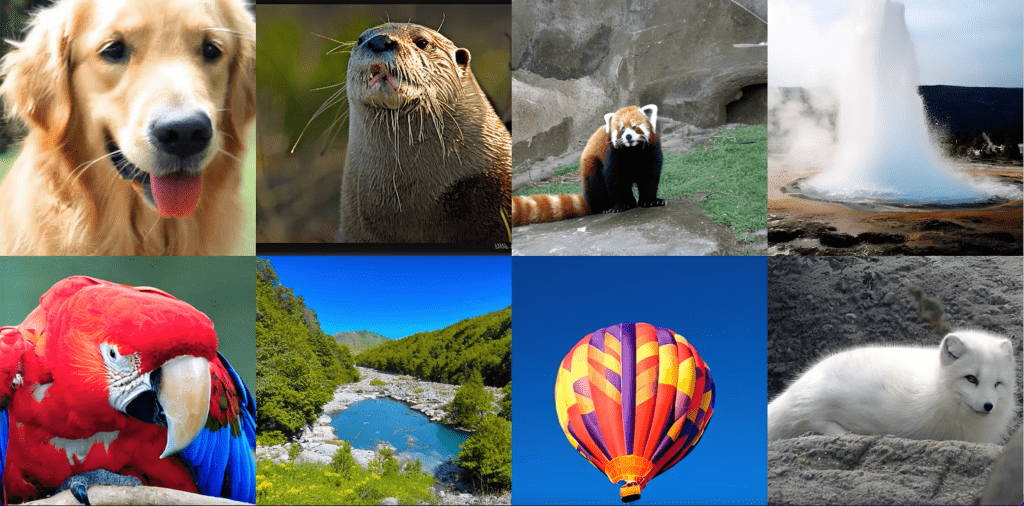
In this work, the researchers explore a new class of diffusion models based on the transformer architecture; train latent diffusion models, replacing the U-Net backbone with a transformer that operates on latent patches; and analyze the scalability of Diffusion Transformers (DiTs).
Abstract
We explore a new class of diffusion models based on the transformer architecture. We train latent diffusion models of images, replacing the commonly-used U-Net backbone with a transformer that operates on latent patches. We analyze the scalability of our Diffusion Transformers (DiTs) through the lens of forward pass complexity as measured by Gflops. We find that DiTs with higher Gflops -- through increased transformer depth/width or increased number of input tokens -- consistently have lower FID. In addition to possessing good scalability properties, our largest DiT-XL/2 models outperform all prior diffusion models on the class-conditional ImageNet 512x512 and 256x256 benchmarks, achieving a state-of-the-art FID of 2.27 on the latter.

Founder and Chief Editor of Data Phoenix — a San Francisco Bay Area media and education platform focused on AI and Data.
Continue reading

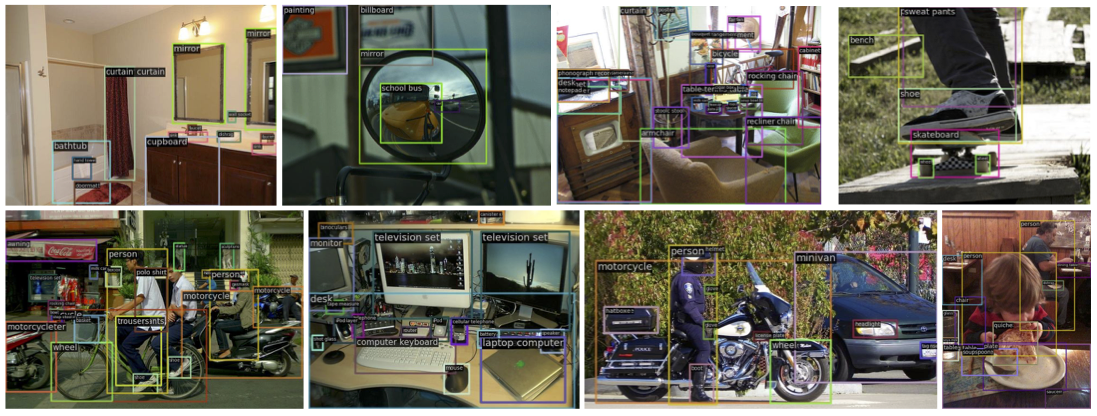
YOLO-World: Real-Time Open-Vocabulary Object Detection
YOLO-World boosts YOLO with open-vocabulary detection via vision-language modeling, pre-training on large datasets. Efficiently detects objects zero-shot, outperforming state-of-the-art in accuracy and speed.
Dmytro Spodarets·Feb 12, 2024
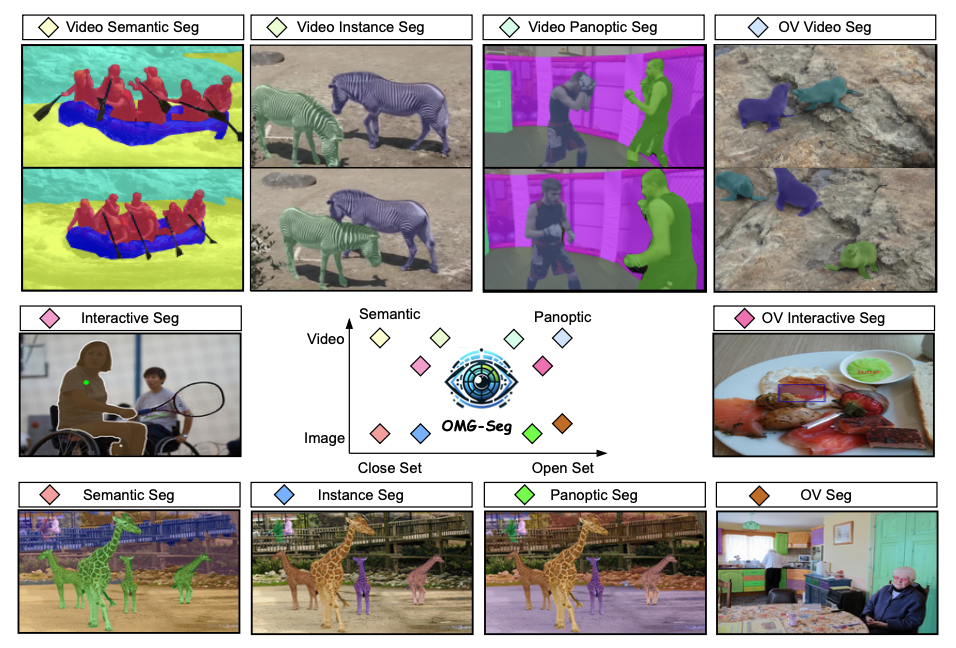
OMG-Seg: Is One Model Good Enough For All Segmentation?
OMG-Seg is One Model that is Good enough to efficiently and effectively handle all the segmentation tasks, including image semantic, instance, and panoptic segmentation, as well as their video counterparts, open vocabulary settings, prompt-driven, interactive segmentation.
Dmytro Spodarets·Feb 8, 2024
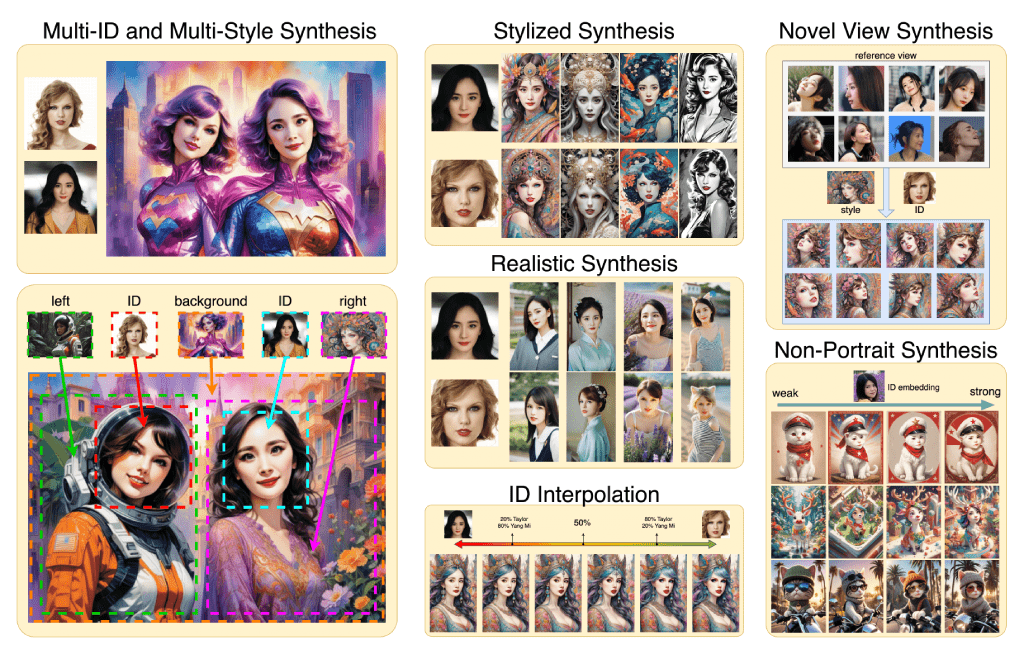
InstantID : Zero-shot Identity-Preserving Generation in Seconds
InstantID, powered by diffusion models, offers plug-and-play image personalization in various styles using one facial image, ensuring high fidelity. It demonstrates remarkable efficiency and performance, making it highly beneficial for applications requiring identity preservation.
Dmytro Spodarets·Feb 5, 2024