Adobe previews 10 creative interaction experiments at MAX 2026
Adobe previewed 10 research projects at MAX 2026 that explore conversational, spatial and direct-manipulation interfaces across video, audio, images and design, without committing to ship them in Creative Cloud or Firefly.
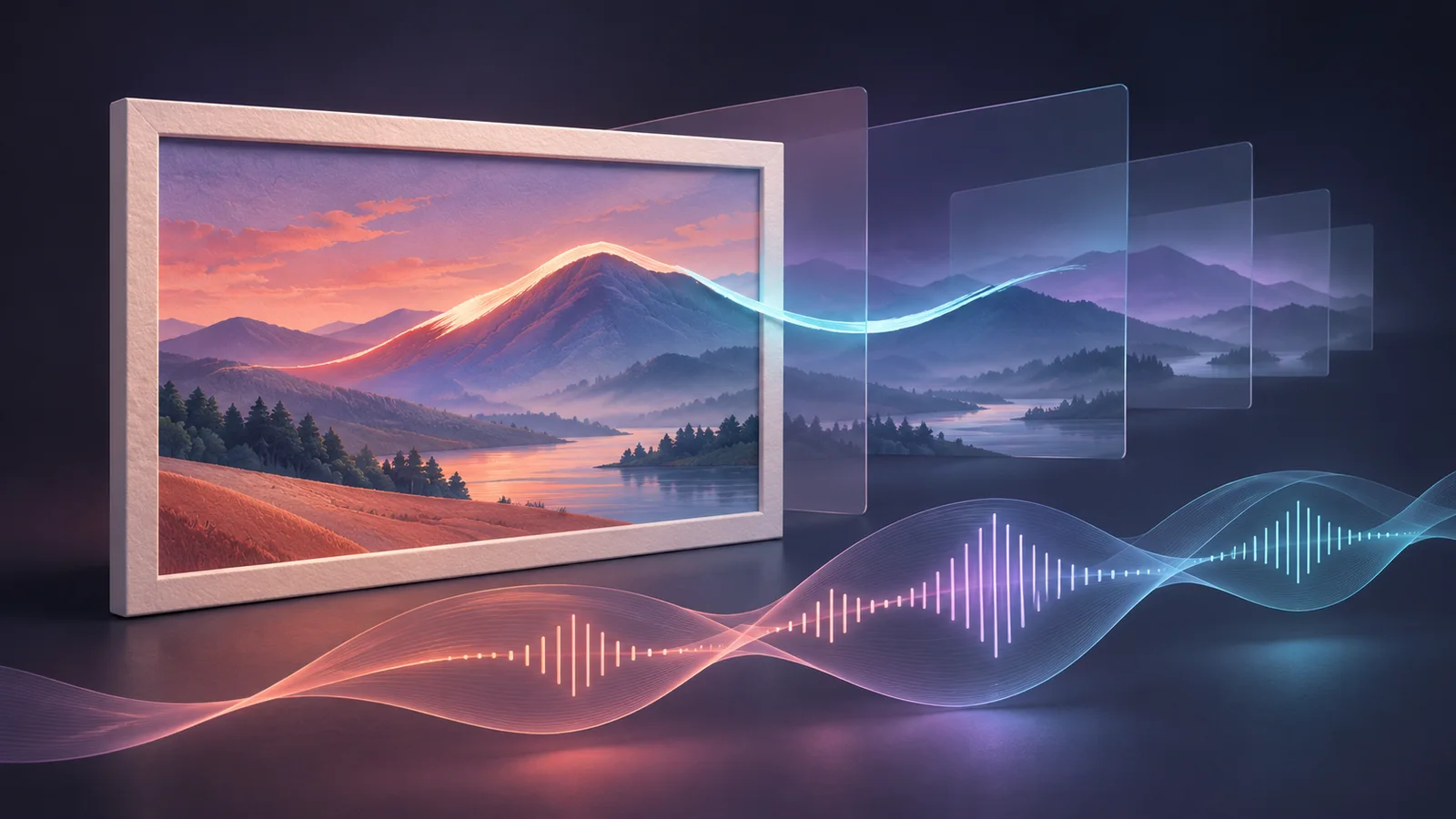
Adobe previewed 10 research projects at MAX 2026 spanning video, audio, imaging and design. The Sneaks explore new ways to direct scenes, develop characters, navigate images and manipulate creative work, but Adobe presented them as research innovations.
This was not a product launch. Adobe gave no release dates, pricing, performance benchmarks or commitments to bring the projects to Creative Cloud or Firefly. Of the 10 Sneaks, only Project Deep Brush and Project Hands On were available as early research previews in Adobe Labs Playground. Project Custom Filters was also previewed there, but Adobe listed it separately from the 10 Sneaks.
Four video experiments center on context, conversation and timing. Adobe says Project Scene Sweep recognizes characters, locations and scenes across a sequence, allowing an edit to carry across cuts and camera angles. Project Screen Test lets creators define a fictional character’s appearance, voice and personality, then use natural-language dialogue to explore the character and possible responses in different scenes.
According to Adobe, Project Live Set explores changing a subject, environment or camera direction while video continues to play. Project On Cue adds an editable timing signal for generated-video events; Adobe says creators can draw the signal or extract it from video or music.
For audio, Project Sound Bender is designed to isolate a described sound from a finished mix and arrange variations on an interactive canvas. Adobe says creators can shape the sound in real time, match its movement to video or generate a new sound from a description.
The image and design projects put controls directly on the work. Adobe says Project Deep Brush interprets an image’s shape, color and lighting so brushstrokes can follow surfaces, preserve shadows during recoloring or add light to a scene. The company describes Project Sight Span as turning a single image into a navigable environment for finding new viewpoints and composing beyond the original frame. Project Hands On uses object segmentation and vision-language models to identify image content and add on-canvas controls, according to Adobe.
Adobe says Project Rinse Repeat captures edits from one part of an image, adapts them to another and recreates them with native Photoshop tools, keeping the result editable. The company says Project Link Up treats a drag gesture as design intent, adjusting an element’s perspective, scale and style while returning editable vector artwork.
More news
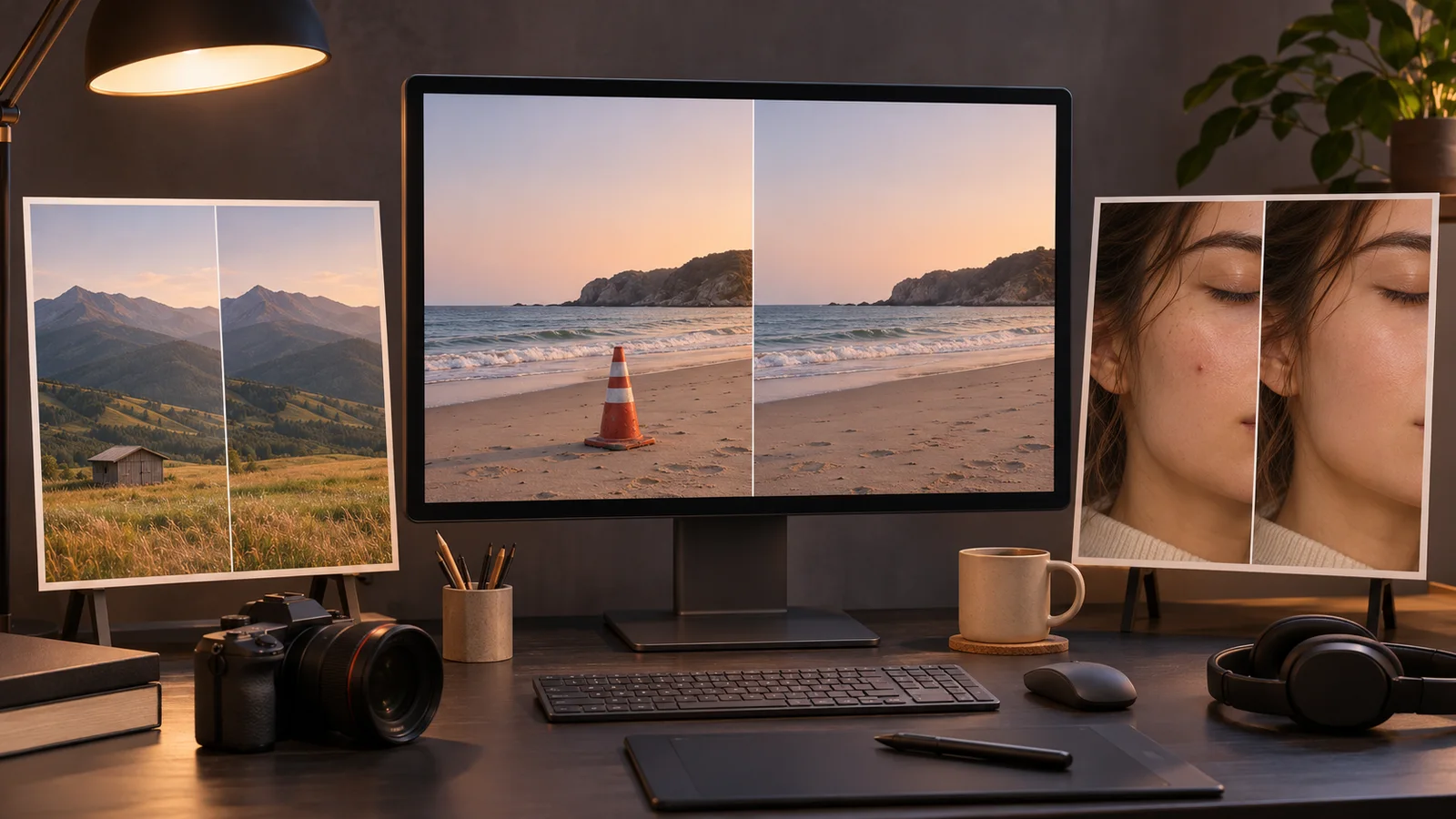
Adobe expands removal tools across Photoshop, Premiere and Lightroom
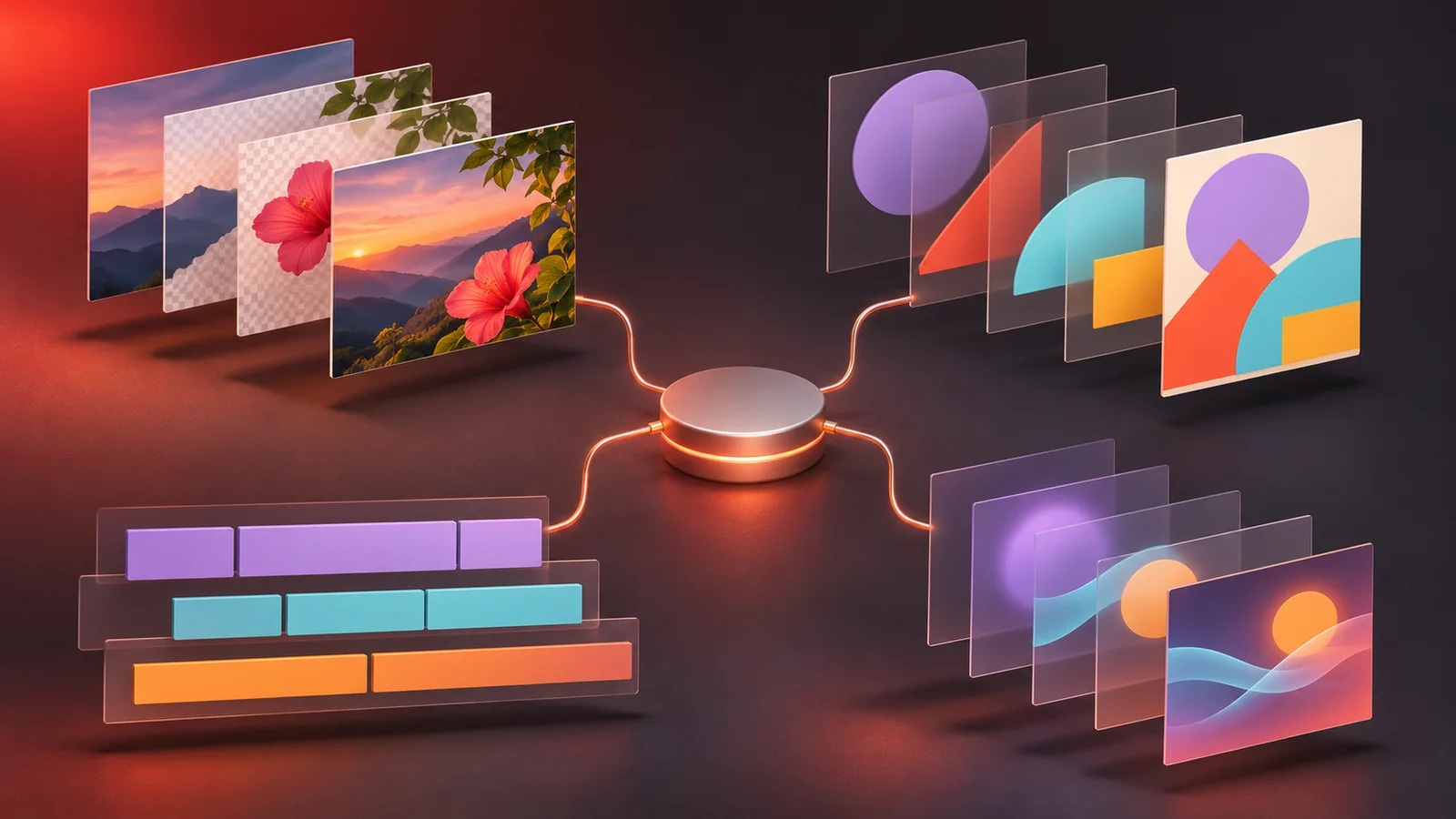
Adobe expands Creative Agent and previews local MCP integrations
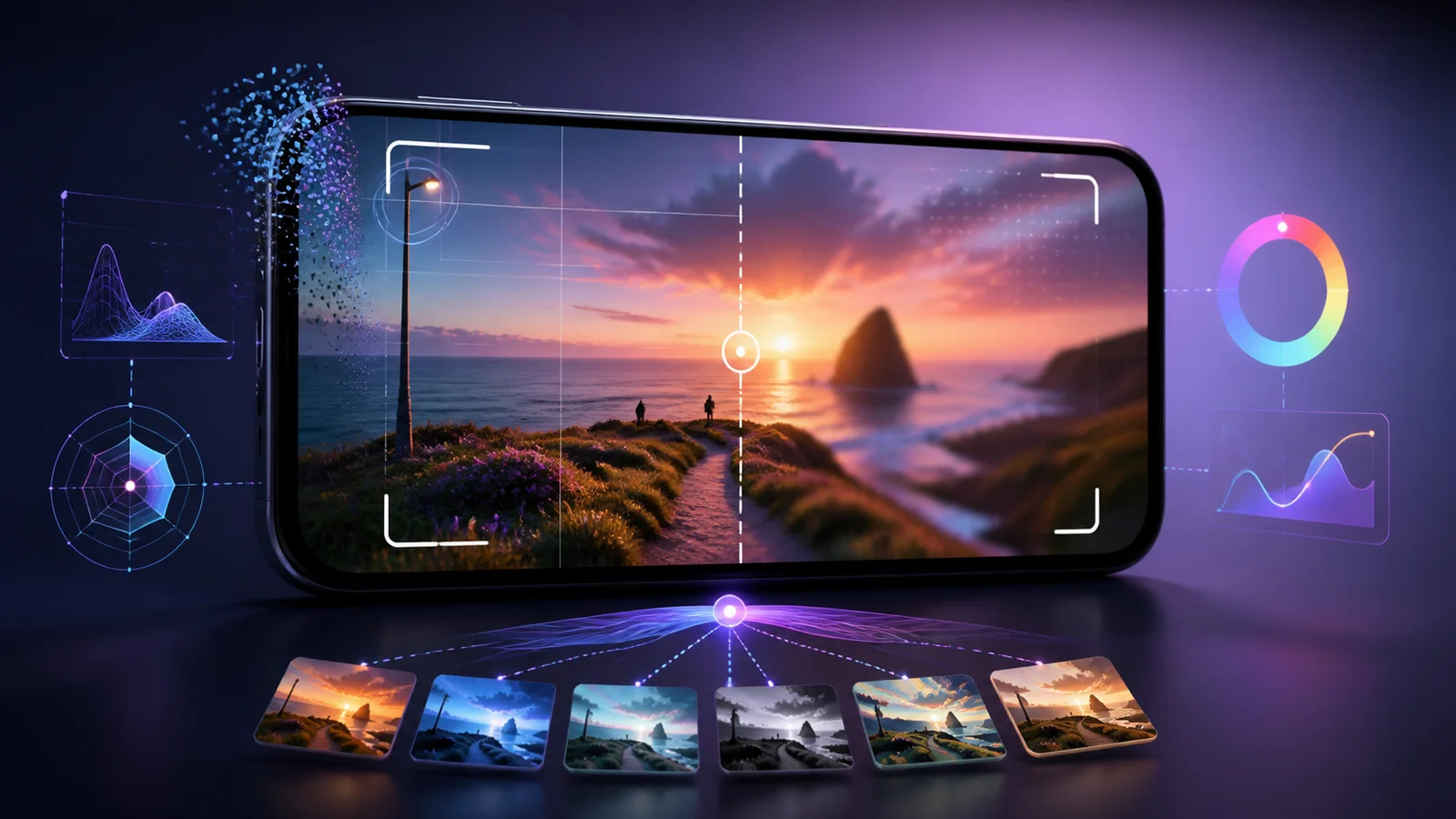
Adobe adds an AI Playground to its experimental Project Indigo camera app