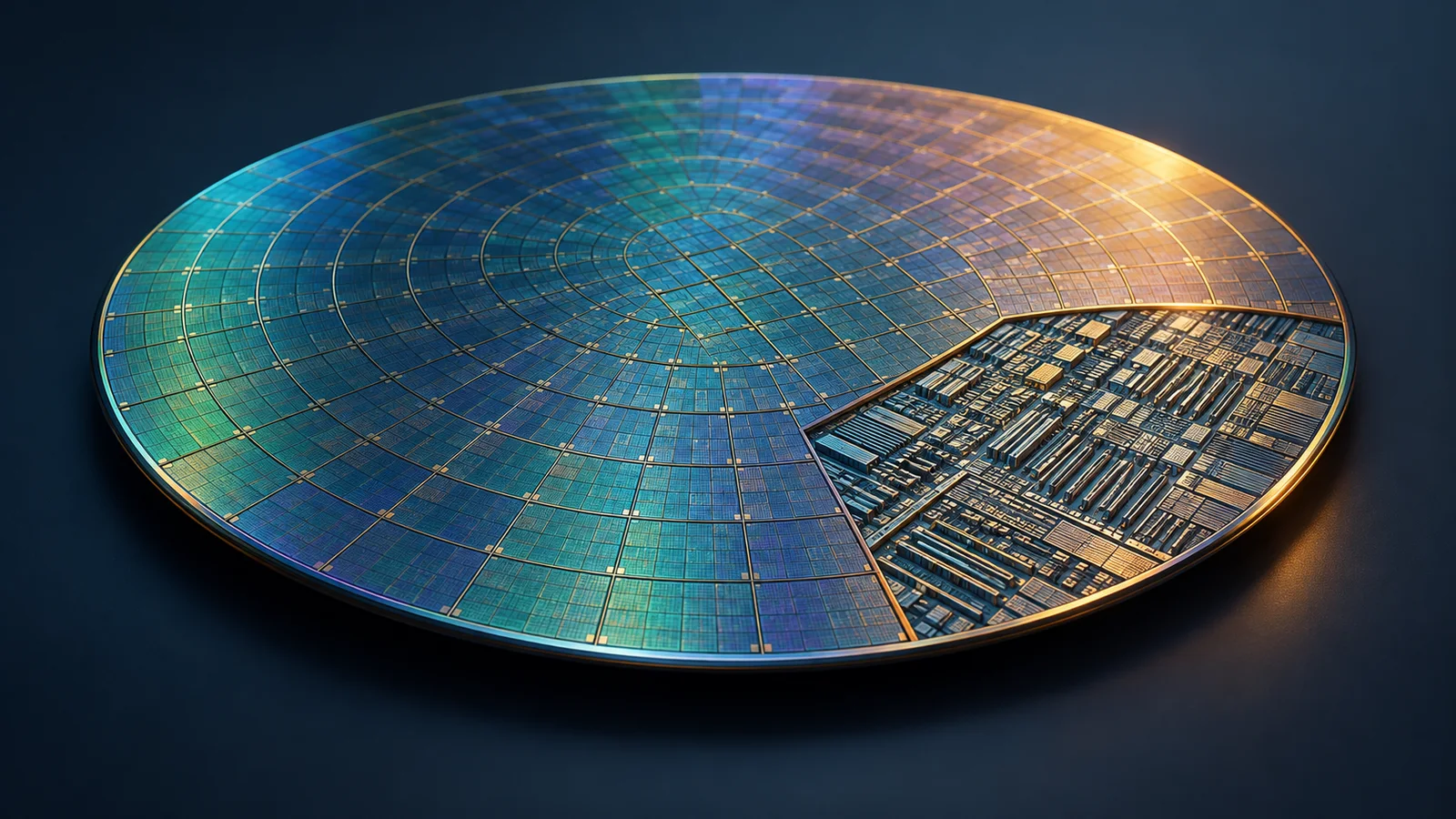
AMD-powered Lux supercomputer opens to Oak Ridge researchers
Oak Ridge has opened the AMD-powered Lux supercomputer to scientific users, adding 4,032 GPUs for Genesis Mission projects and other work under a shared-investment agreement.

The AMD-powered Lux supercomputer is now open to scientific users at the Oak Ridge Leadership Computing Facility, AMD and Oak Ridge announced on Nov. 16. The opening adds artificial intelligence and high-performance computing capacity for projects under the U.S. Department of Energy’s Genesis Mission.
Oak Ridge documents Lux as a 504-node system with 4,032 AMD Instinct MI355X graphics processors. Its computing resources are divided between Slurm-based high-performance computing and Kubernetes partitions. About half of the system’s 3.5 million annual node-hours will support the Genesis Mission. AMD will receive the other half under the partners’ shared-investment agreement, according to Oak Ridge’s account of the launch.
Built by HPE, Lux combines AMD EPYC processors, Instinct MI355X GPUs, Pensando networking and the ROCm software stack. Each compute node has two 64-core AMD EPYC 9575F processors, 3 terabytes of DDR5 memory and eight MI355X GPUs, each with 288 gigabytes of HBM3E high-bandwidth memory, according to the facility’s user guide.
Lux is separate from Oak Ridge’s AMD-powered quantum error-correction research platform, which pairs IBM quantum processors with the facility’s Umbra HPC system.
The November 2026 TOP500 list places Lux at No. 14 with 220.79 petaflops of measured High Performance Linpack performance. Oak Ridge and HPE reported the same rank and result. That benchmark does not establish results from the newly assigned research projects.
Lux’s initial Genesis Mission work spans three areas. One project will combine simulation tools with robotic-system design for fusion power plants. Another will build customized foundation models for materials and advanced manufacturing in U.S. industry. A third will develop Earth-system predictions of water availability, streamflow and river temperature for the Tennessee Valley Authority region, with forecast horizons ranging from weeks to years.
AMD calls Lux the first dedicated U.S. “AI Factory” for the Genesis Mission. Oak Ridge describes it more narrowly as the mission’s first major addition to DOE computing infrastructure. AMD, Oak Ridge and HPE say the system will let researchers combine AI with simulations and experimental data and accelerate scientific work, but they have not published completed-project results from the new workloads.
The Energy Department announced Lux in October 2025 alongside a planned system called Discovery. DOE said the co-investment model with AMD and HPE was designed to bring computing capacity online sooner while sharing the resulting capacity and infrastructure. As of the opening announcement, Oak Ridge had not named external user teams, awarded allocations or first-job times.
More news

ORNL, IBM and AMD launch quantum error-correction research platform

AMD reports $8.5 billion in data-center revenue, forecasts $17 billion for fourth quarter

IBM broadens Qiskit SDK 2.6 C API for compiled-language workflows