ORNL, IBM and AMD launch quantum error-correction research platform
Oak Ridge National Laboratory, IBM and AMD deployed a platform pairing IBM quantum processors with ORNL’s AMD-powered Umbra HPC system for quantum error-correction research.
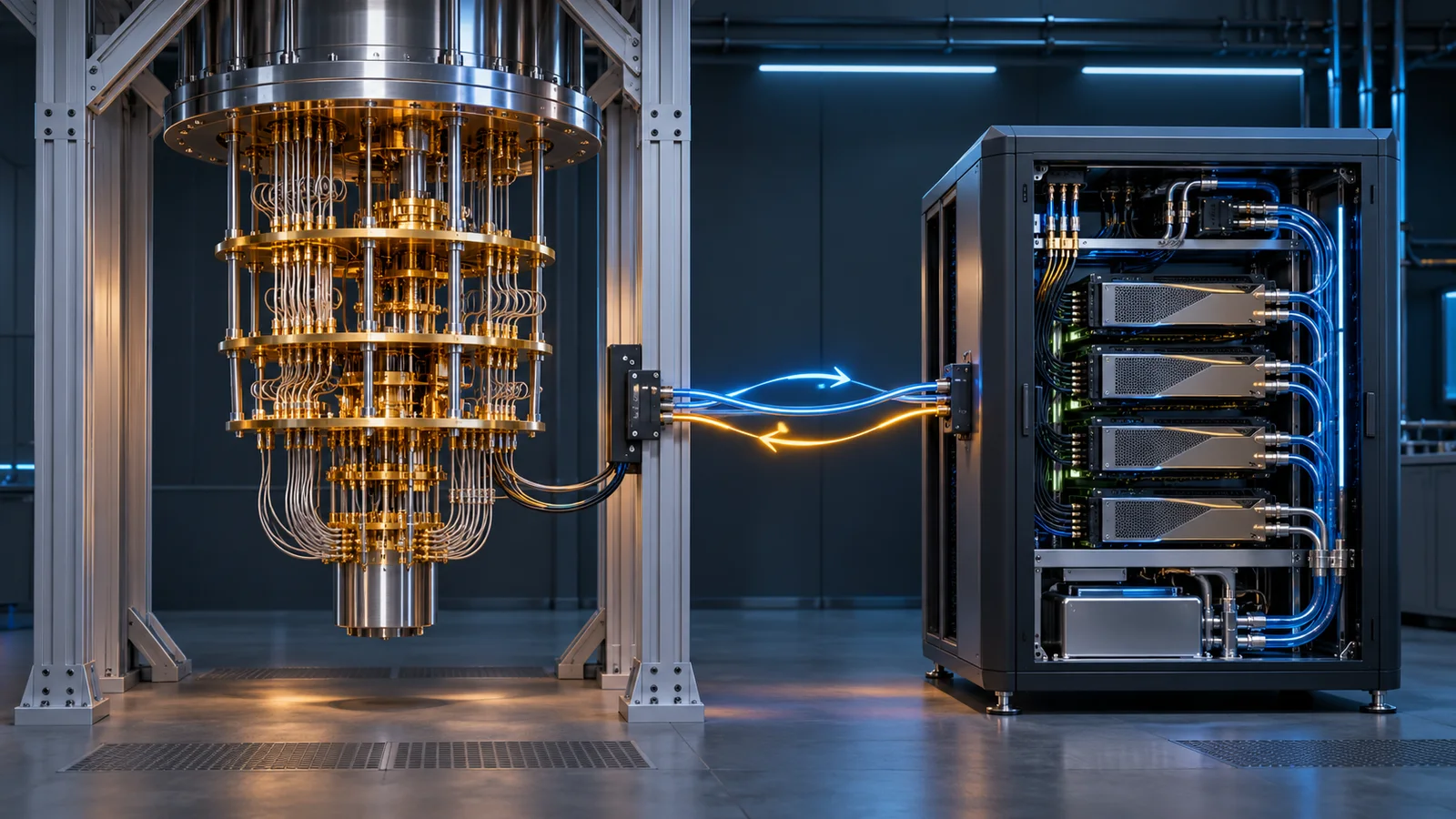
Oak Ridge National Laboratory, IBM and AMD launched a quantum error-correction co-design platform connecting IBM quantum processors to an ORNL high-performance computing system powered by AMD hardware.
Deployed at IBM’s site in Poughkeepsie, New York, the platform co-locates IBM Quantum Nighthawk processors with ORNL’s Umbra system. Umbra uses AMD Instinct MI355X GPUs and fifth-generation AMD EPYC CPUs. The organizations say this setup will allow researchers to develop and test error-correction techniques without the extra handoffs required when separate cloud and HPC systems are connected through multiple interfaces.
Quantum error correction uses repeated quantum-code checks to identify qubit errors. Classical decoder software interprets those checks and determines which errors occurred, and that workload must keep pace with the quantum processor. IBM says placing the classical and quantum hardware together is intended to reduce latency in the loop.
Researchers are expected to use the platform for decoder training and evaluation, decoding and circuit optimization, software orchestration, and other hybrid quantum-HPC algorithms and workflows. The project is also designed to connect with ORNL’s broader supercomputing environment, including a planned link to the Oak Ridge Leadership Computing Facility in Tennessee. The launch materials do not provide a timetable for that connection.
The deployment follows IBM and AMD’s August 2025 plan to co-design systems that combine IBM quantum computers with AMD compute engines and explore classical hardware for quantum error correction.
IBM and the other announcing organizations say the platform supports progress toward a scientifically relevant quantum computer by 2028 under the Department of Energy’s Quantum Genesis effort. DOE’s September competition announcement described up to $215 million in planned funding and a target of at least 100 logical qubits capable of hundreds of millions of fault-tolerant operations. IBM’s launch materials instead refer to 100 logical qubits running 100,000 “hard operations” by late 2028. The available records do not establish that the two measures are equivalent.
The launch materials report no platform-level latency, decoder-throughput or error-correction benchmark, and do not claim that a fault-tolerant quantum computer has been completed.
More news

IBM says joint team reached 2026 Gordon Bell Prize finals
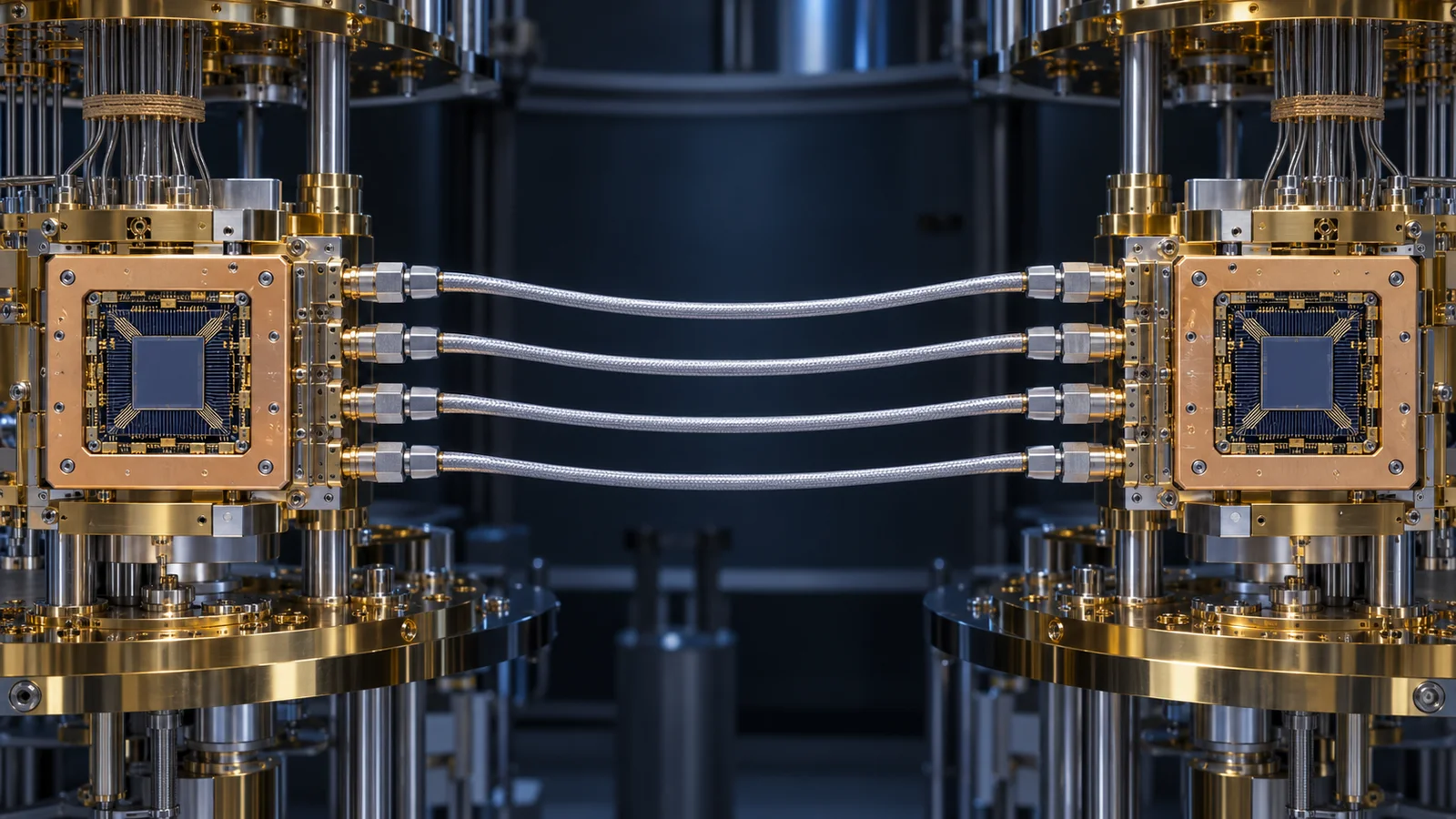
IBM links two Nighthawk quantum processors with four meter-scale L-couplers
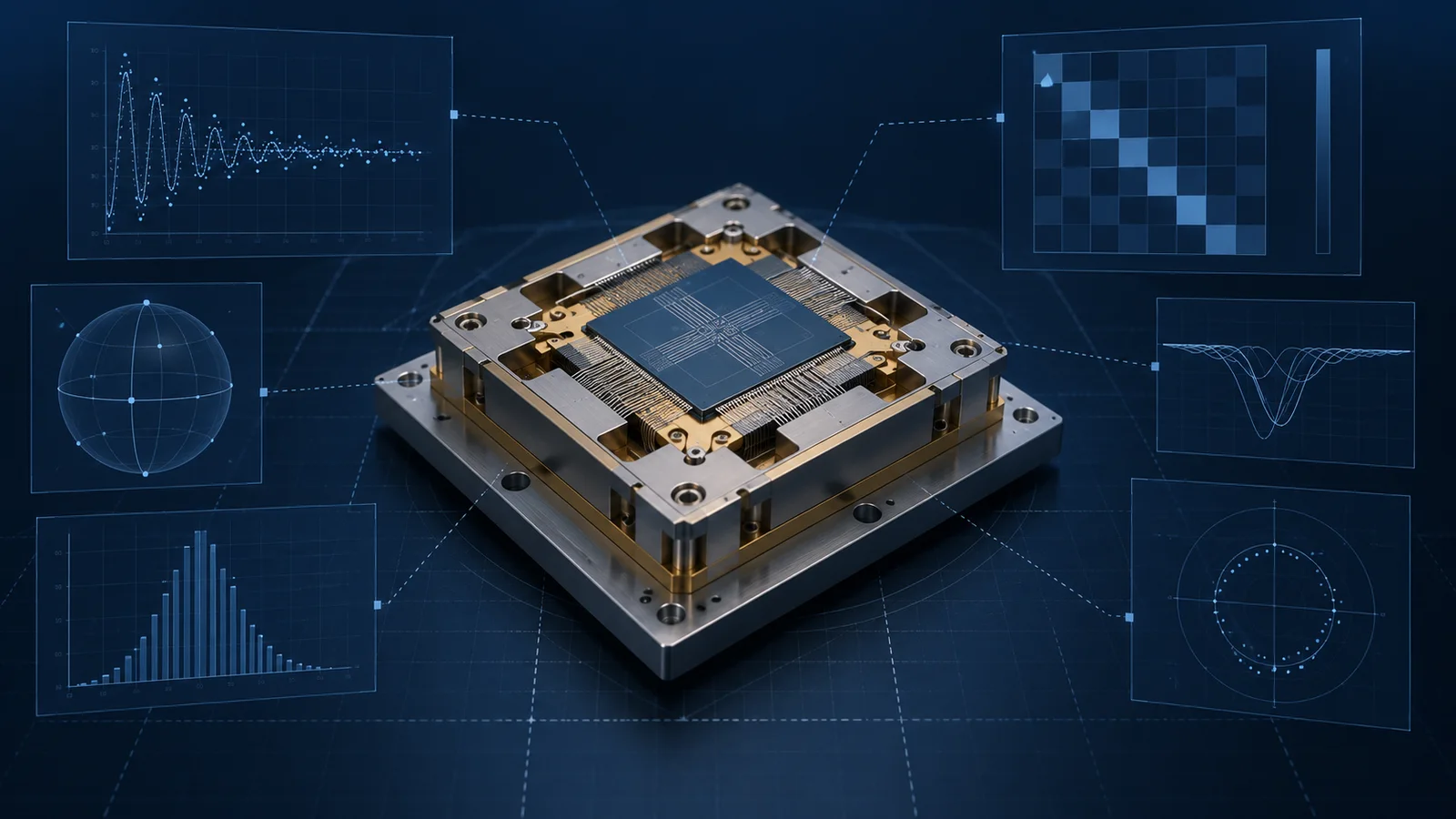
IBM says DARPA moved its quantum computing plan to Stage C