Anthropic launches Claude Science workbench tying Claude to 60-plus research databases
Anthropic launched Claude Science in beta on June 30, 2026, a macOS and Linux research workbench connecting Claude to 60-plus scientific databases, with up to $30,000 in compute credits for qualifying labs.

Anthropic launched Claude Science in beta on June 30, 2026, a macOS- and Linux-native workbench that connects its Claude models to more than 60 curated scientific databases. The bet is that workflow plumbing rather than a new model can win over working researchers. The Claude Science AI workbench ships pre-configured for genomics, single-cell analysis, proteomics, structural biology and cheminformatics.
The pitch targets a real friction point: scientists already use chatbots but lose hours wiring them to data and compute. The workbench connects to repositories including UniProt, the Protein Data Bank, Ensembl, Reactome, ClinVar, ChEMBL and GEO, and it renders 3D protein structures, genome-browser tracks and chemical structures directly, with code that reproduces each result. It integrates Nvidia’s BioNeMo models, including Evo 2, Boltz-2 and OpenFold3, and offloads heavy jobs to high-performance-computing setups and cloud scaling through Modal.
This is a layer, not a model. Anthropic says Claude Science runs on existing Claude models and adds integrations, a Reviewer Agent that flags citation errors and calculation inconsistencies, and pre-built pipelines, rather than introducing new underlying capability.
To seed adoption, Anthropic is supporting up to 50 “AI for Science” projects worth up to $30,000 in Claude credits plus up to $2,000 in Modal compute, with applications open through July 15, 2026, the company said. The workbench is available on Claude Pro, Max, Team and Enterprise plans, and the Team plan offers discounted seats for research institutions and nonprofits, according to the Claude Science product page.
The Reviewer Agent’s value depends on how reliably it catches errors in practice, which Anthropic has not independently demonstrated. Beta tools also tend to handle clean demo workflows better than the messy, idiosyncratic datasets real labs run.
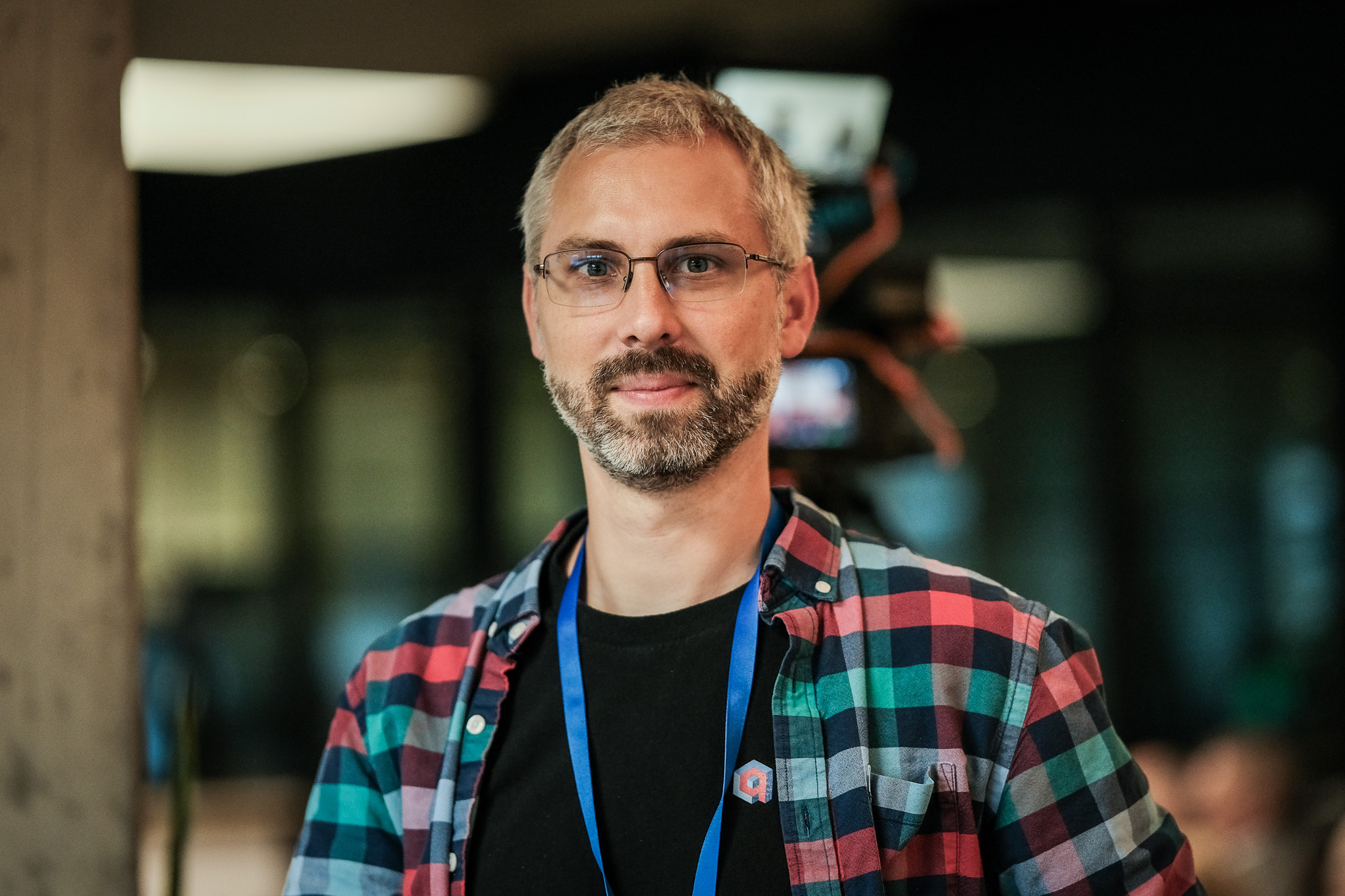
An entrepreneur with over a decade of experience in AI, Cloud, and HPC. He is currently a DevOps Architect and the founder of Data Phoenix, an influential media voice for the AI industry, with a strong focus on community building and open source.
More news

Anthropic launches Claude Haiku 5.5 with 90% short-prompt price cuts

Anthropic launches Claude integrations for Google Docs, Sheets, and Slides

AWS maps Claude 5.5 access across Bedrock endpoints in GovCloud