OpenAI says Block routes security tasks across models with human review
OpenAI says Block’s Daybreak security harness routes work among models, lets agents cross-check results and keeps people in control of remediation and deployment.

OpenAI says Block built a security-operations harness on its Daybreak system to route tasks to different models, let agents check one another’s work and give people a way to take over. The design brings AI into vulnerability discovery, detection and response while leaving people responsible for validating and deploying code changes, according to an OpenAI customer case study published Oct. 14.
The companies also report faster investigations and patch proposals. They say Block can replay a proposed detection change against seven months of production telemetry in less than an hour and that the system proposed a patch 18 minutes after a high-level vulnerability was submitted during recent red-team exercises. The case study does not provide independent measurements, sample sizes or the time required for human validation, testing and deployment.
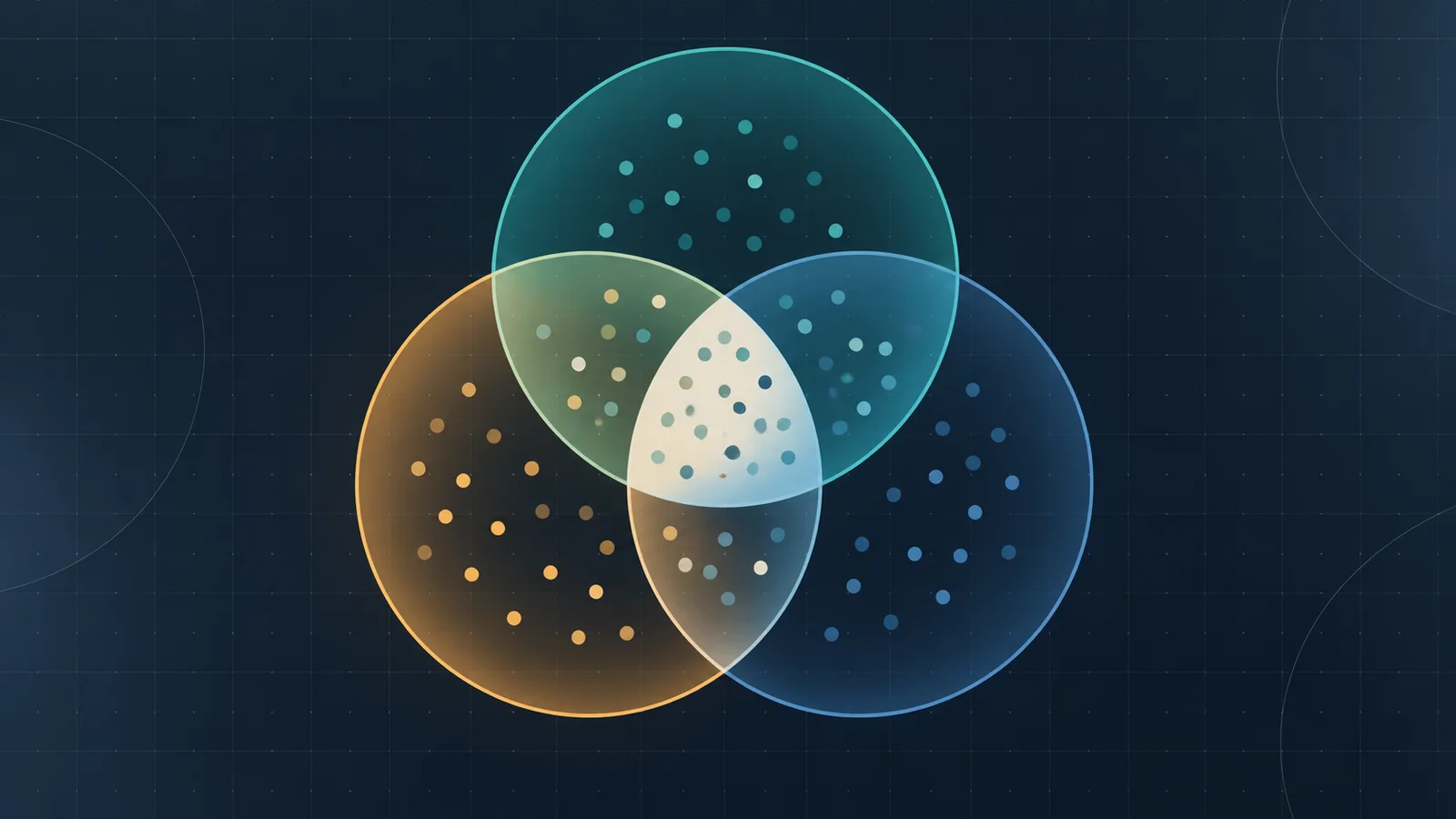
Rather than automatically sending every task to the newest model, the harness selects models for particular jobs. It also includes hooks for one agent to verify another agent’s output or for a person to assume control. OpenAI says Block evaluates the system against internal benchmarks and real-world performance and can route work to human review. The case study does not identify the models, routing rules, cross-check protocol, takeover triggers or benchmark results.
For detection tuning, each investigation stores the raw query evidence behind its result. That record, OpenAI says, lets Block test a proposed detection change against historical telemetry instead of manually rerunning hundreds of cases.
Human control remains part of the remediation sequence described by Block Chief Information Security Officer James Nettesheim. Once the system identifies the relevant code and its owner, it can propose a patch. People then guide the work, confirm that the vulnerability is exploitable, verify the proposed fix and deploy the code change.
OpenAI also says Daybreak connected an attack path from SQL injection through privilege escalation, credential enumeration and lateral movement in about two hours during a recent red-team exercise, compared with several days for a human tester. The supplied sources do not independently corroborate that comparison.
Block and OpenAI further claim the automated triage system increased triage throughput by 50% and intelligence gathering and investigations by 50%. They estimate it completes about 1,100 analyst-hours of investigations per quarter and redirects about 600 analyst-hours per quarter from false-positive triage. The case study provides no baselines, measurement periods or definition of an analyst-hour for those figures.
OpenAI describes Daybreak as combining its models, access controls, Codex Security workflows and human oversight. Its product materials say people decide which findings to investigate and which changes to apply.
In a separate account of its controls, Block says its production AI systems undergo internal review and approval, ongoing risk monitoring and companywide usage tracking. Block also says third-party AI providers face restrictions on training-data use, limits on data retention and contractual privacy and regulatory-compliance commitments.
More news
Stack Overflow says ChatGPT plugin tripled agent signups
OpenAI says Third Moment runs 10,000 research agents at once
OpenAI details Amp’s agent expansion beyond coding