Databricks makes its Lakebase Postgres sink generally available for Spark Structured Streaming
A single Spark job can turn incoming events into features and write them directly to Lakebase for applications and recommendation models.

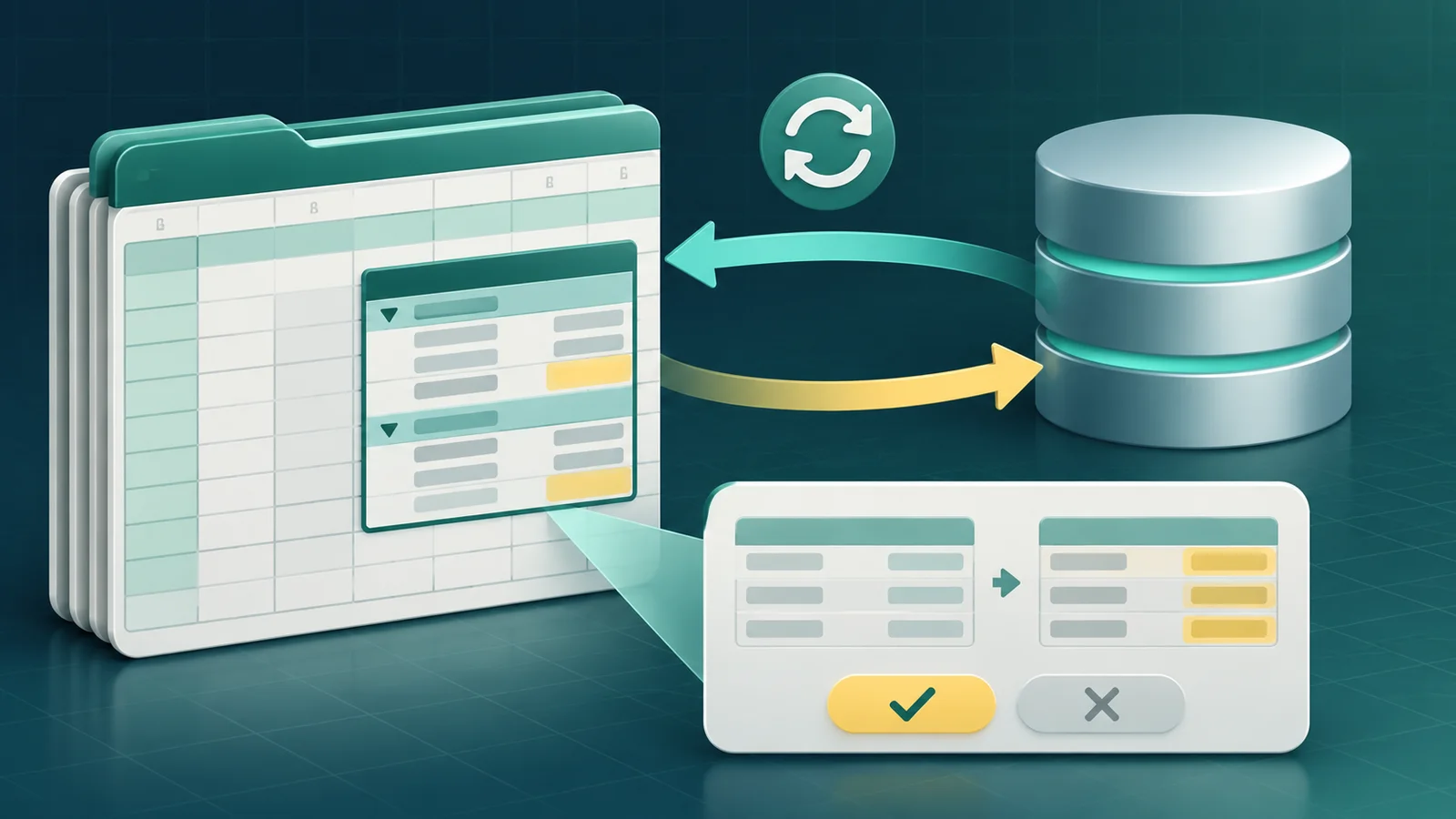
Databricks made its native Lakebase Postgres sink for Spark Structured Streaming generally available on November 17. The connector lets one streaming job compute features from incoming events and write them directly to Lakebase, Databricks’ managed Postgres database, for applications and models to look up.
Databricks rolls out account updates in stages. The company says an individual account can receive an update a week or more after the initial release date.
On November 23, Databricks said the sink is generally available on Databricks Runtime 18 LTS and later. On classic compute, Spark can group records into micro-batches with ProcessingTime or process them as they arrive in Real-Time Mode with RealTime. On serverless jobs and notebooks, Trigger.AvailableNow() processes data that arrived since the last checkpoint and then exits.
Databricks says the connector handles batching, connection pooling and retries through Spark’s writeStream interface. For a Lakebase table with a primary key, the sink inserts a row for a new key or updates the existing row when the key matches.
In Databricks’ recommendation example, Spark reads watch and like events from Kafka and tracks each viewer’s six most recently watched videos and three most recently liked videos. The same job updates one Lakebase row per viewer that a recommendation model can look up when ranking videos.
In its synthetic test, Databricks measured a median latency of 183 milliseconds and a 99th-percentile latency of 354 milliseconds from the Kafka input timestamp to the write landing in Lakebase. The company ran the test for an hour at about 20,000 events per second across five million simulated users, using a 40-core classic cluster on Runtime 18 LTS, a Lakebase project with eight compute units and five-minute Real-Time Mode checkpoints. Databricks says the latencies apply to that setup. The engineering post gives no custom-writer baseline.
The native sink is unsupported in Lakeflow Declarative Pipelines. Writes to PostgreSQL databases outside Lakebase through a Unity Catalog connection require Databricks Runtime 19 or later and remain in public preview.
More news

Valkey 9.2 adds forkless snapshots and replication compression

DuckDB 2.0.1 LTS restores per-match updates in SQL

Databricks details interactive architectures for 70 industries