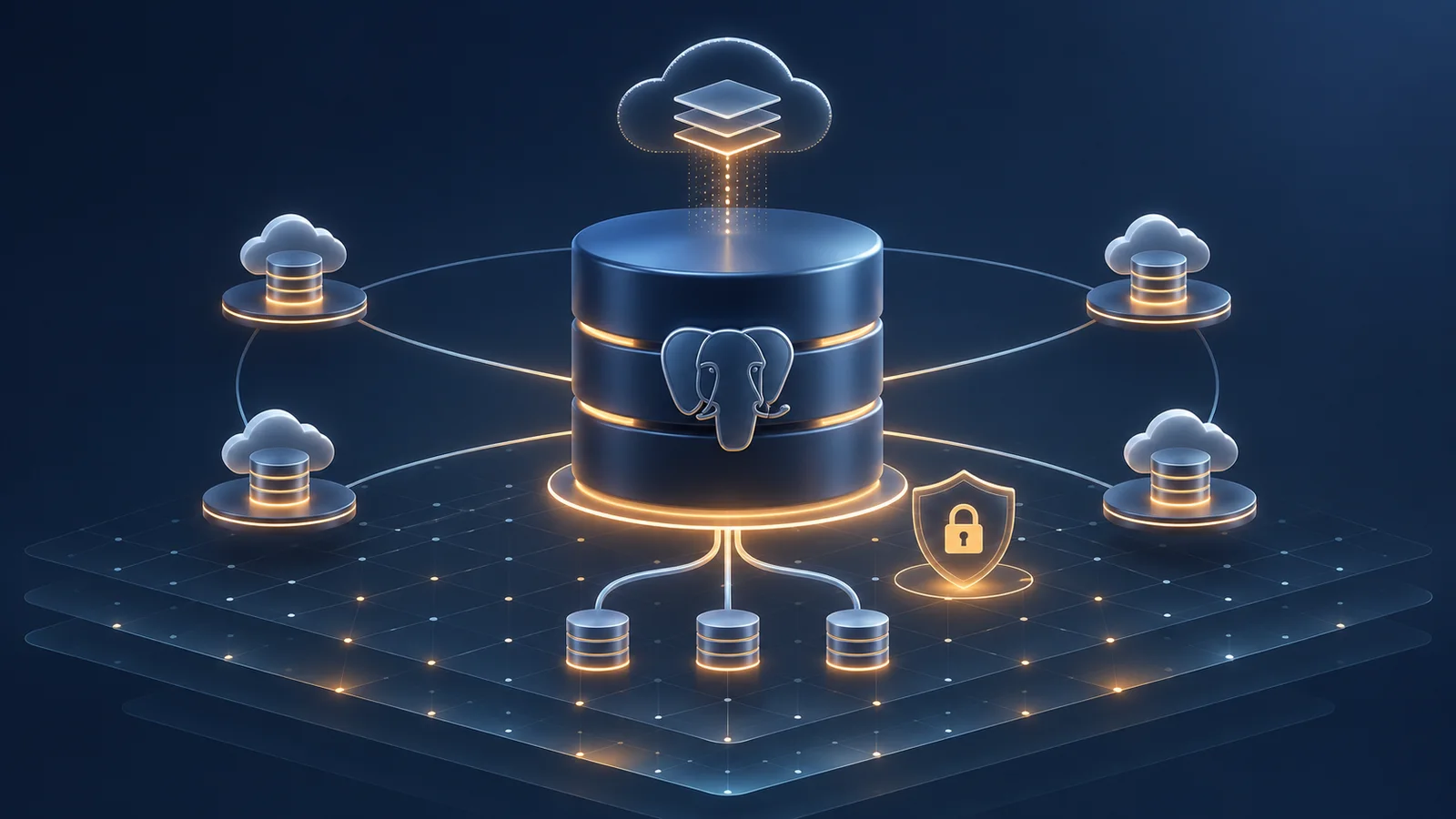
Databricks adds push-based CDC path into Unity Catalog
Databricks has linked Debezium Server with Zerobus Ingest, creating a push-based route for continuously landing database changes in Unity Catalog-managed Delta tables.
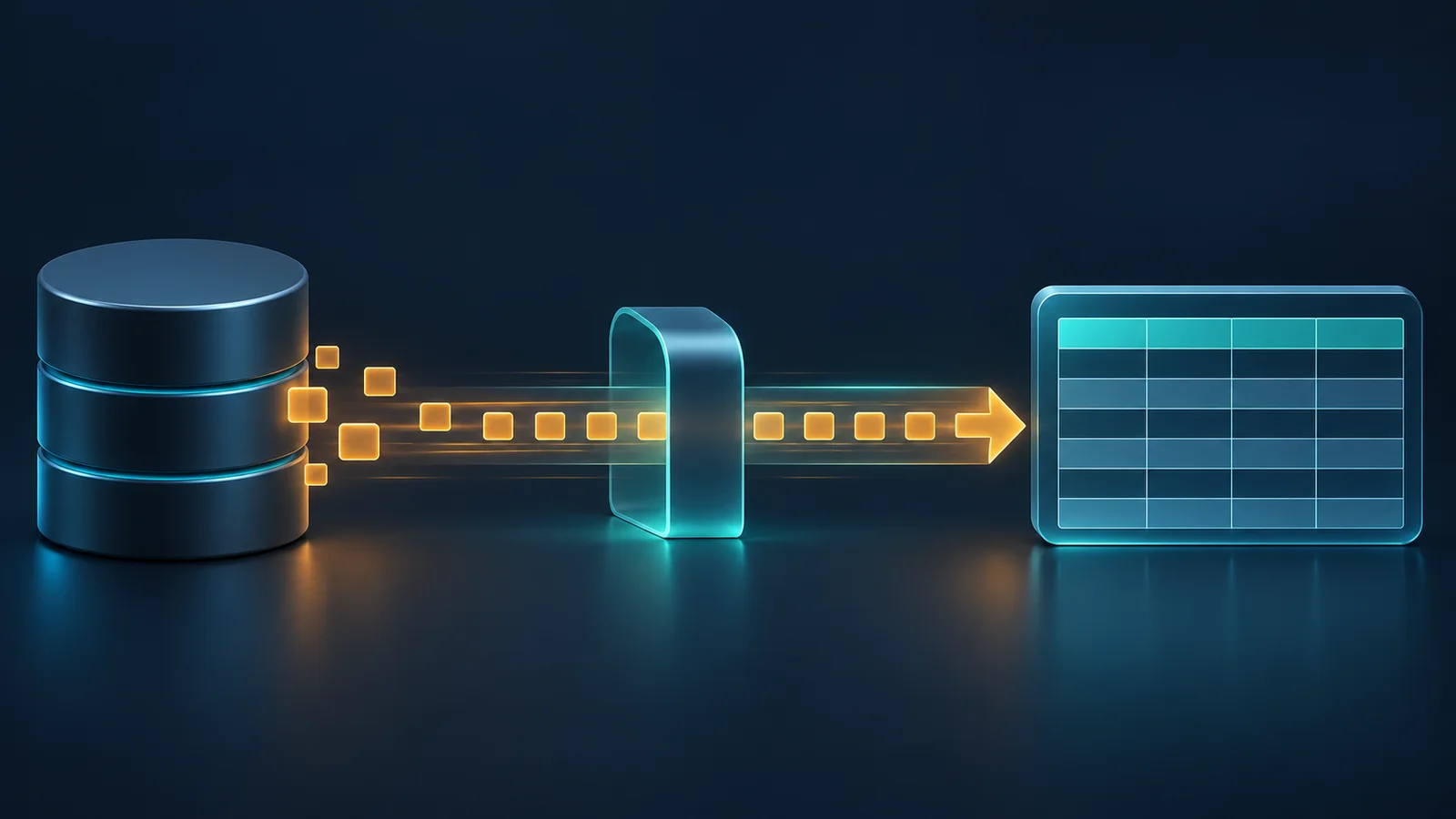
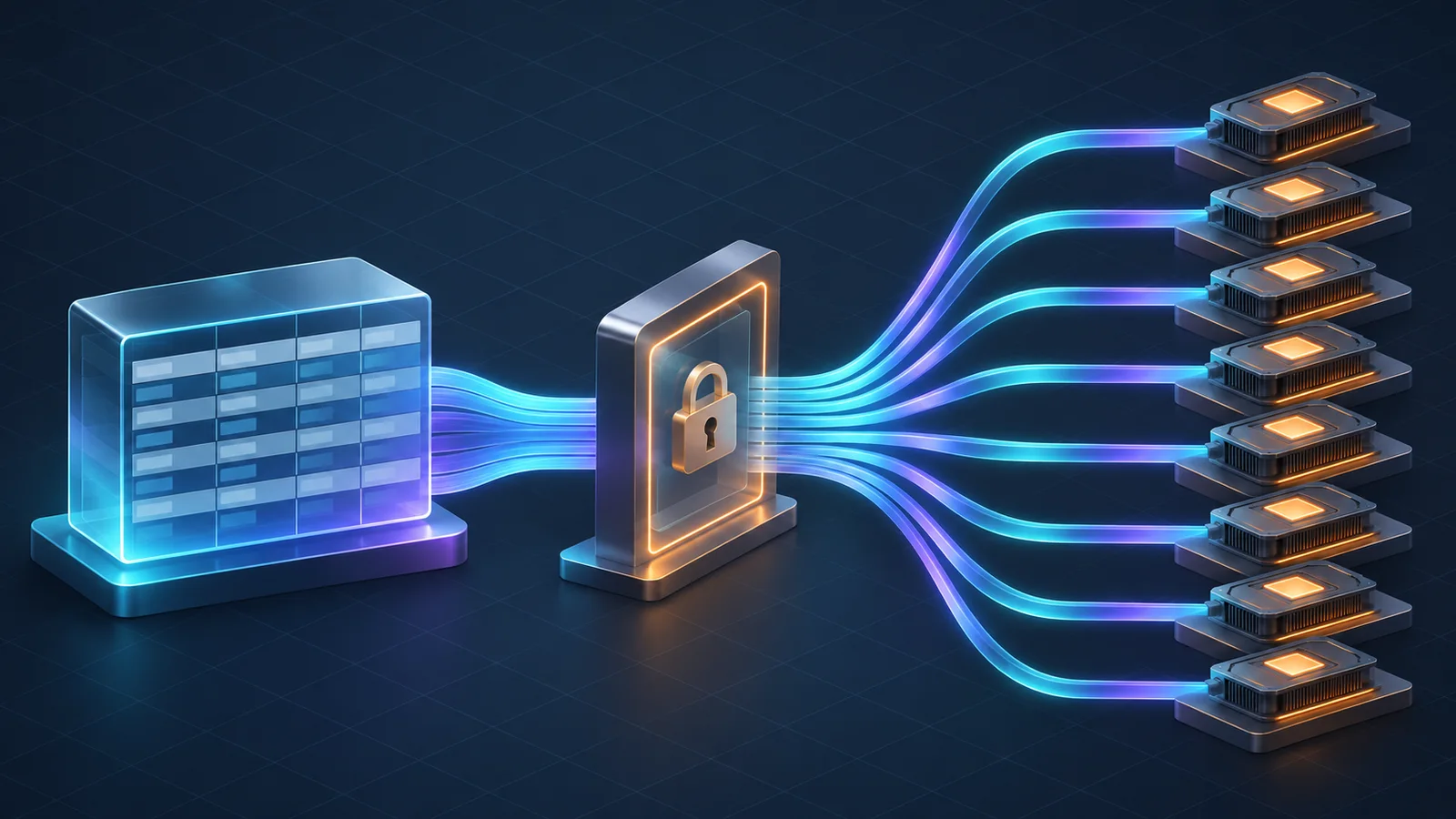
Databricks has added a push-based change-data-capture path that sends Debezium events through Zerobus Ingest into Unity Catalog-managed Delta tables.
Database operators can use the integration to continuously move transaction-log changes into Databricks without relying on Kafka as the transport layer between capture and the lakehouse. Delivery is at least once, so consumers still need to deduplicate events rather than assume exactly-once processing.
Debezium Server 3.7, released September 29, includes the Databricks Zerobus Ingest sink adapter. Debezium Server runs alongside the source database, reads its transaction log and turns changes into events. The sink sends those events to a Unity Catalog-managed Delta table through the serverless Zerobus API. The target table must be in the same region as the Databricks workspace.
The Debezium Server documentation describes three delivery routes: the Zerobus Java SDK over gRPC, a per-record REST option for environments that cannot maintain persistent connections, and a Kafka-protocol option targeting Zerobus’s Kafka-compatible endpoint.
Teams can choose typed mode, which maps event fields to target-table columns, or envelope mode, which retains the CDC envelope for downstream casting and materialization. The table schema must match the selected mode.
Databricks says the source-side design can suit restricted networks because database owners control capture and make outbound connections instead of allowing an external pull connector to connect inbound. The documentation establishes the architecture but does not independently test that operational claim.
The sink advances source offsets only after Zerobus acknowledges a batch. Even so, a durable batch can be replayed after a later failure, making a deterministic idempotency key or equivalent source-position data necessary for deduplication. Landing is append-only; building a current-state Type 1 table still requires downstream processing such as AUTO CDC or a merge sequenced by source position.
More news
Databricks adds Unity Catalog metric views to Power BI in private preview
Databricks adds native Claude OpenTelemetry export to MLflow
Databricks releases UCDataset beta for direct GPU training