Databricks makes Lakebase Postgres generally available on Google Cloud
Lakebase Postgres is generally available across five Google Cloud regions, pairing serverless scaling and database branching with Unity Catalog integration.

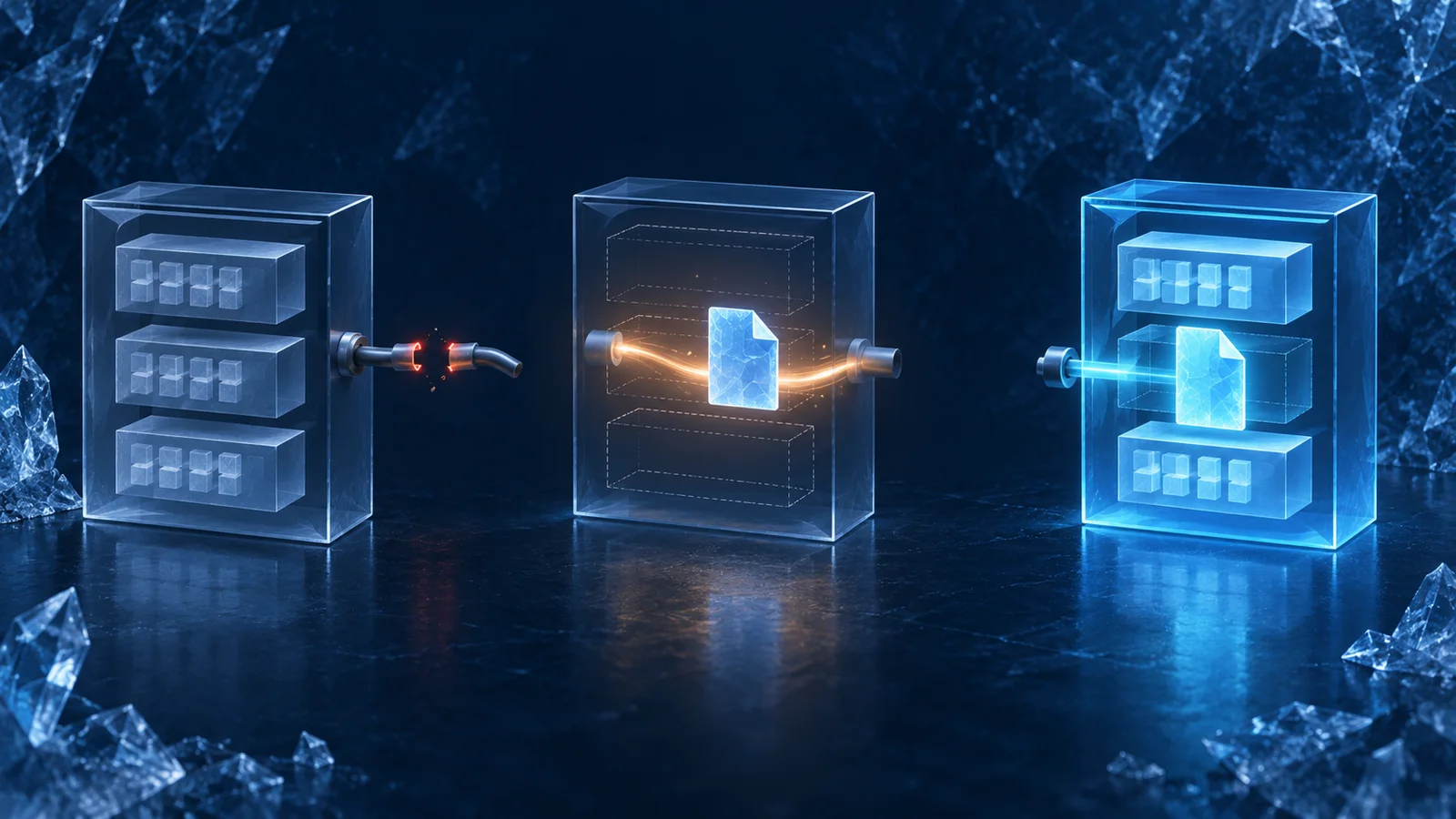
Databricks has made Lakebase Postgres generally available on Google Cloud, bringing the Postgres service to five regions. The company describes Lakebase as a fully managed, serverless database for production applications and AI-agent workloads.
The supported regions are asia-southeast1, europe-west3, us-central1, us-east4 and us-west1. Databricks’ release notes show that the general-availability release added us-west1 and asia-southeast1 to the three regions offered during beta. Each Lakebase project is created in its Databricks workspace region, and that region cannot later be changed.
Lakebase separates compute from storage. Administrators choose a compute range, and the service can scale within that range or suspend after inactivity. Databricks says suspended compute incurs no compute charge and automatically resumes when a connection or query arrives. Scale-to-zero is limited to configurations with a maximum of 32 compute units and is unavailable for high-availability configurations.
For high availability, Databricks distributes a primary and one to three secondary compute instances across availability zones. If the primary fails, a secondary is promoted automatically. Databricks says committed transactions are preserved, although existing clients must reconnect. Under the Lakebase service-level agreement, service credits apply when monthly uptime falls below 99.9% for single-compute endpoints or 99.99% for high-availability endpoints, subject to its exclusions and claims process.
Developers can create isolated copy-on-write branches that share their parent’s existing data while recording later changes separately. A branch does not copy the database up front, and changes to it do not affect the parent. The same mechanism supports point-in-time recovery: it creates a new root branch at a selected moment within the restore window while the original branch remains operational.
A Lakebase database can be registered in Unity Catalog as a read-only catalog representation. Databricks says this brings Unity Catalog permissions, lineage and audit controls to supported serverless compute reading the data for analytics. The integration does not govern individual Postgres tables or direct transactional connections, which continue to use Postgres roles and GRANT and REVOKE privileges. On Google Cloud, Unity Catalog registration and synced-table serving are generally available, Change Data Feed is in Public Preview, and Lakehouse//RT querying of Lakebase is unavailable.
Databricks claims Lakebase Search provides twice the throughput of pgvector at four times lower cost. The company also says its tests loaded 1 TB into Lakebase Postgres in under five minutes using Direct Writes. The results have not been independently reproduced, and the announcement does not provide enough benchmark methodology to validate the comparisons. Private connectivity through Google Cloud Private Service Connect remains in Beta for the Enterprise tier.
More news

Databricks makes multi-statement transactions generally available
Databricks expands Lakeflow Designer with data-quality and output controls

Databricks adds Meta ads MCP server to its Marketplace