Databricks adds Workday Data Connect federation to Unity Catalog
Databricks has launched a public-beta connector that mirrors Workday Data Connect metadata in Unity Catalog while Databricks compute queries shared Iceberg tables in place.
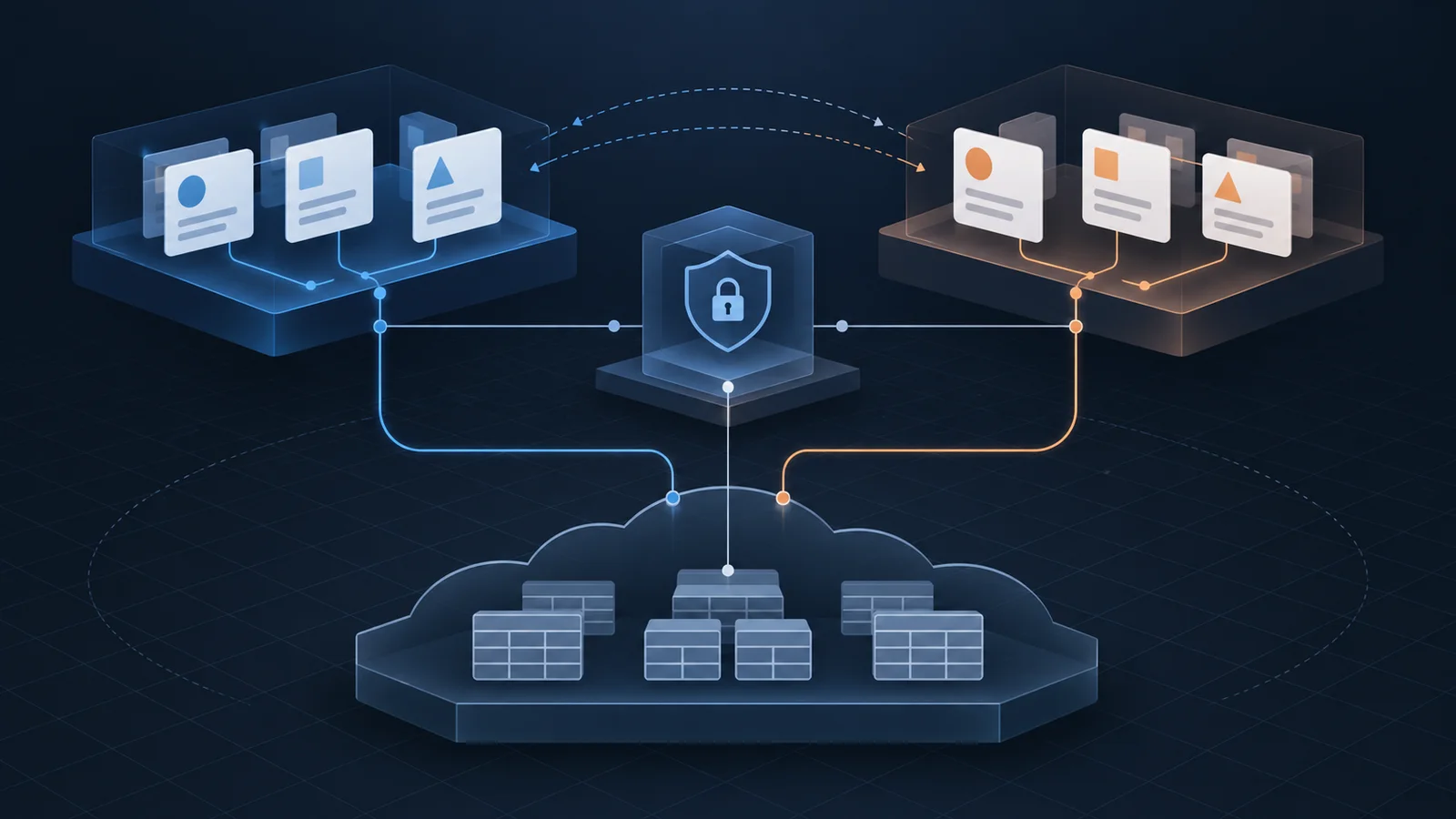
On Oct. 8, Databricks launched a public beta of its Workday Data Connect federation connector for Unity Catalog. The connector gives customers read-only access to shared Workday HR and finance tables from Databricks without creating another copy of the underlying data.
Workday remains the system of record. Unity Catalog mirrors the catalog structure available to the configured Workday credentials as a foreign catalog and applies access controls, auditing and lineage. Databricks compute then reads the corresponding Apache Iceberg tables from Workday-managed cloud object storage.
This is catalog federation, not ingestion. A Workday administrator shares approved tables and grants an Integration System User read access. A Databricks administrator then creates an OAuth connection and foreign catalog. Unity Catalog imports the Workday catalog metadata, but it does not copy the Workday table data into the storage location used for federated-table metadata.
The metadata handoff also differs from conventional query federation, which sends SQL to an external database for execution. The Workday connector gets metadata from Workday’s Iceberg REST catalog, then runs queries on Databricks compute against the shared files. It is separate from Databricks’ Lakeflow Connect products, which ingest Workday data into Delta tables for durable copies and history tracking.
That separation between catalog management and the underlying table data also appears in Databricks’ broader Iceberg catalog portability work.
The foreign catalog reflects the portion of the Workday Data Connect catalog available to the configured credentials. Administrators can narrow the scope through the Workday principal role and apply catalog-, schema- and table-level permissions in Unity Catalog.
The beta can access only Iceberg tables shared through the Workday Data Connect catalog. Databricks’ current AWS documentation requires a Unity Catalog-enabled workspace, Databricks Runtime 19.8 or later and standard access mode; dedicated access mode is not supported.
More news

Microsoft and Databricks extend partnership into the 2030s, bringing Genie to Microsoft 365

Radisson brings hotel search and booking handoff to ChatGPT
IBM launches Ready for SAP Solutions for cloud ERP modernization