Google DeepMind brings on-device sign-language translation to the Pixel 11
Google DeepMind released SL2T, an on-device sign-language-to-text model, debuting with American Sign Language support in Gboard and Live Transcribe on the Pixel 11.
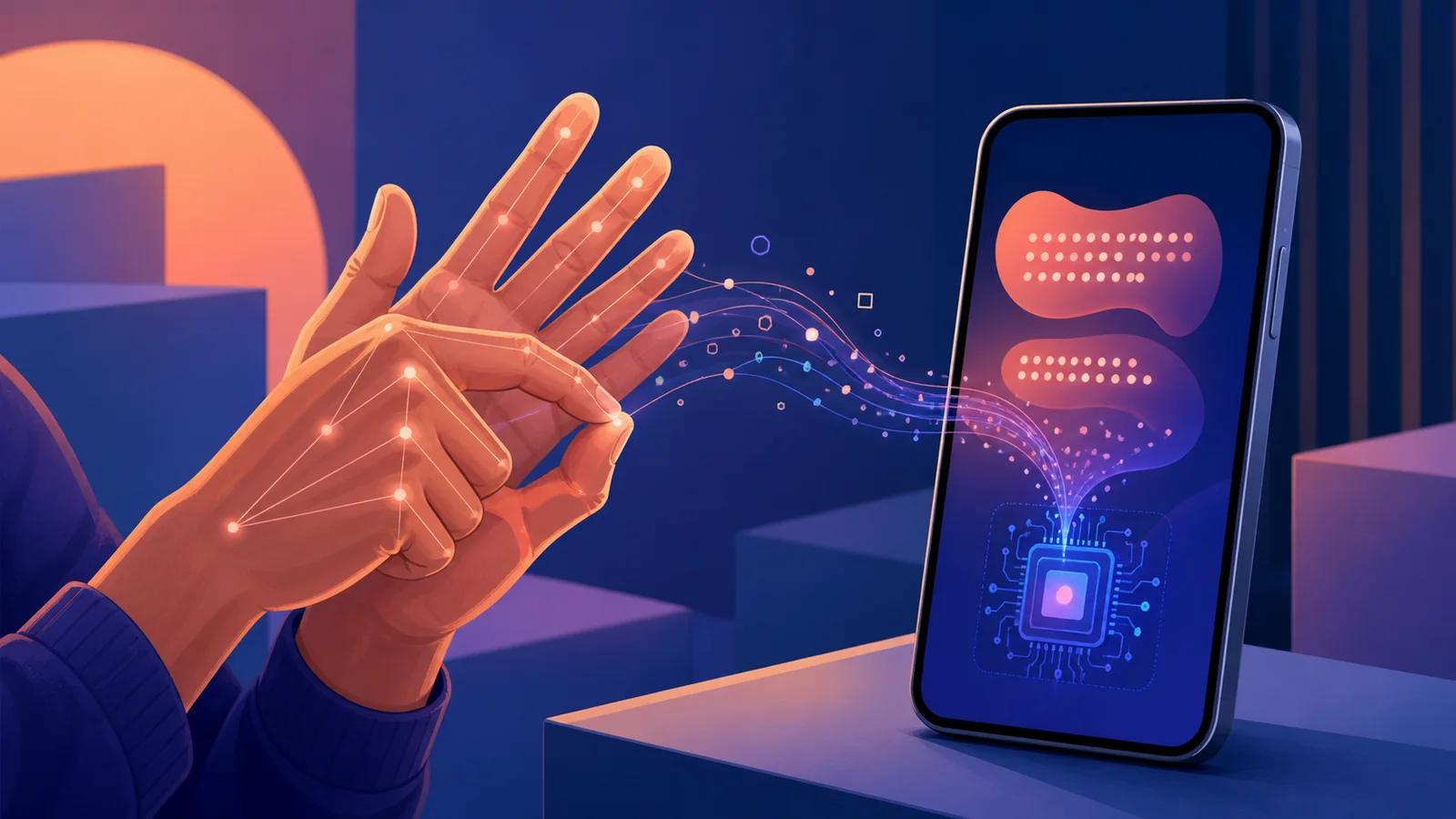
Google DeepMind released SL2T, a sign-language-to-text translation model that runs on-device, debuting inside Gboard and Live Transcribe on the newly launched Pixel 11 with American Sign Language to English support at launch.
SL2T is trained on more than 100,000 hours of data spanning over 50 sign languages, though only American Sign Language ships first. Rather than processing raw video, the model works from on-device pose tracking that converts a signer’s movements into geometric landmark coordinates before translating them directly into text, DeepMind said. Keeping the pipeline on the phone matters for both latency and privacy, since video of a signer never leaves the device.
DeepMind said the model reaches a zero-shot score of 70 BLEURT on the FLEURS-ASL benchmark, a metric that estimates translation quality against human references. It was developed with input from Deaf community members through DeepMind’s AI Sign Language Advisory Committee, and the company said it plans to add more languages and devices, pointing to an estimated 70 million Deaf and hard-of-hearing people worldwide who use more than 200 sign languages.
The reach is narrow at launch: one sign language, one phone line. The benchmark score is DeepMind’s own and not independently verified, and BLEURT measures similarity to reference text, not whether a Deaf user finds a translation accurate or usable in a real conversation. Sign languages also carry grammar in facial expression and body movement that pose-landmark translation can miss.
More news
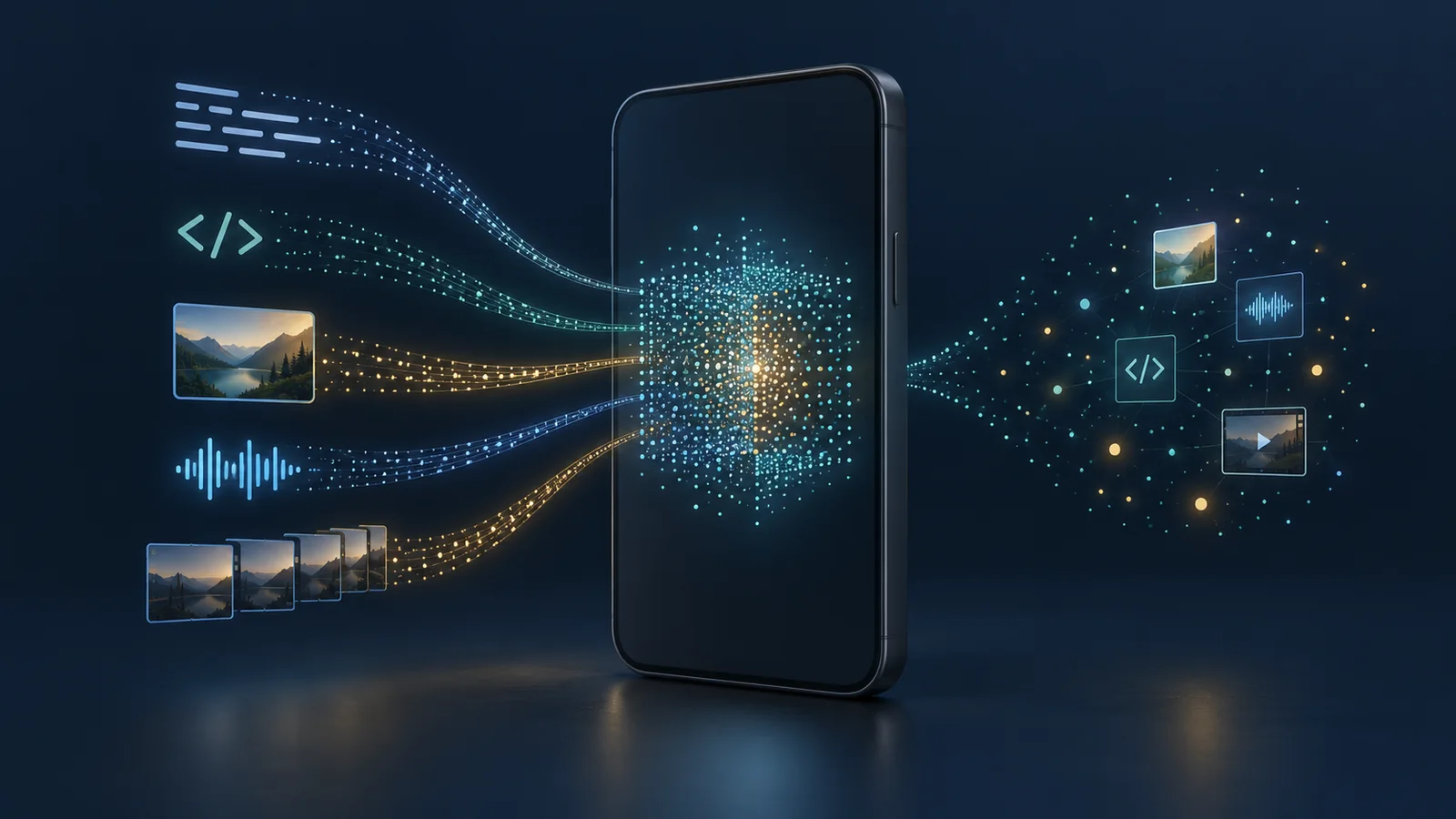
Google releases EmbeddingGemma 2 for on-device multimodal search

Google restricts Gemini 4 Argon rollout to trusted cyber defenders

Google DeepMind lays out planned server-side memory for Private AI Compute