EuroHPC contract specifies AMD MI430X GPUs and EPYC CPUs for LUMI-AI
EuroHPC JU signed a €387.8 million contract with Bull to deliver LUMI-AI at CSC’s Kajaani data center using AMD MI430X GPUs and 256-core sixth-generation EPYC processors, with deployment scheduled for the second half of 2027.
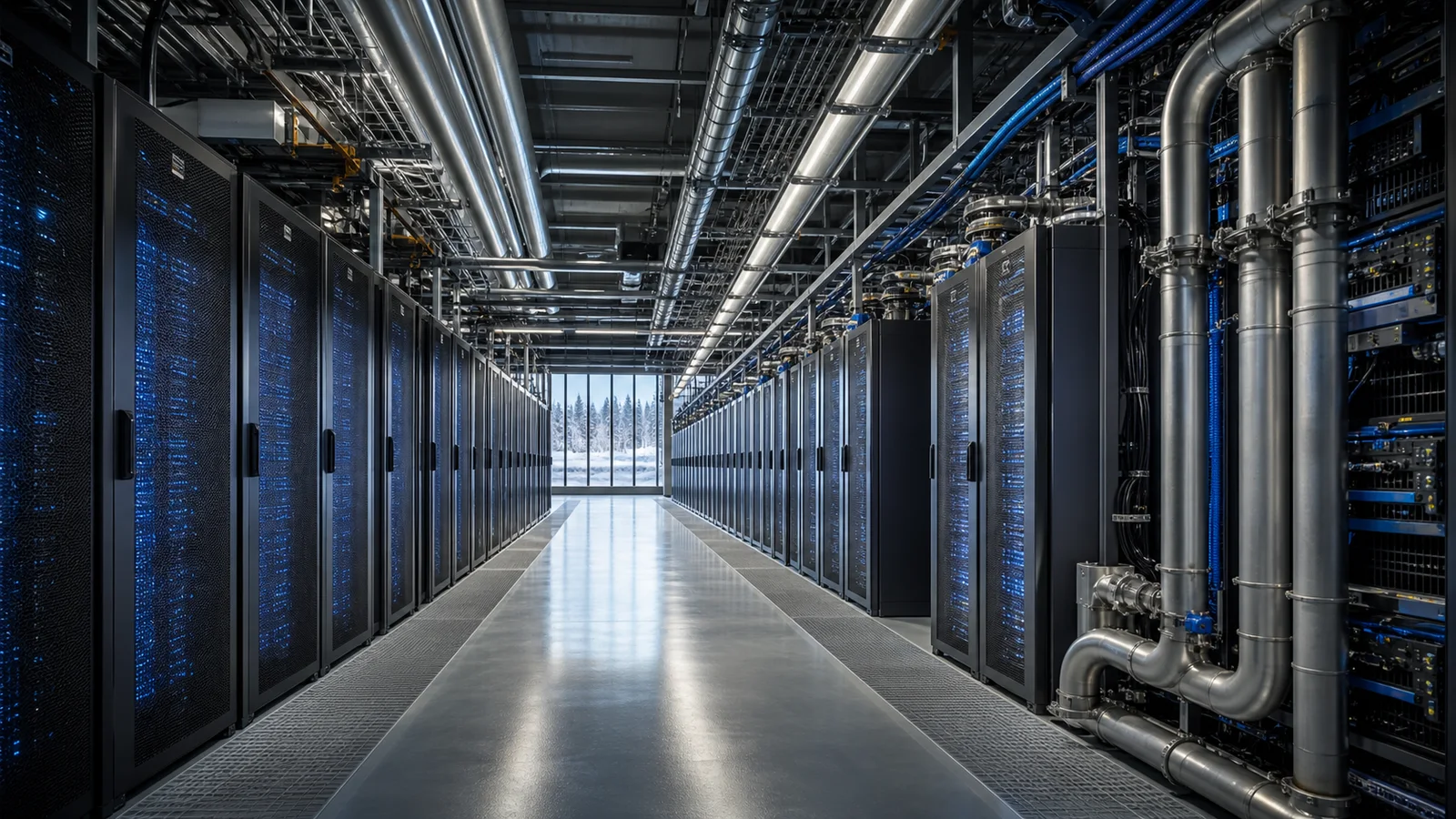
The European High-Performance Computing Joint Undertaking has signed a €387.8 million contract with Bull to deliver the LUMI-AI supercomputer using AMD Instinct MI430X GPUs and sixth-generation AMD EPYC processors with 256 cores.
Under the contract, Bull will handle acquisition, delivery, installation and maintenance. EuroHPC JU and the LUMI AI Factory consortium will each provide half of the funding. The system will be installed at CSC – IT Center for Science’s data center in Kajaani, Finland.
AMD says deployment is scheduled for the second half of 2027. EuroHPC JU states more broadly that installation and user availability are expected during 2027.
CSC describes a liquid-cooled system based on Bull’s BullSequana XH3500 architecture, with IBM Storage Scale-based storage, Nokia data-center networking and Bull’s BXI interconnect.
EuroHPC JU will own LUMI-AI, while a consortium led by Finland and including Czechia, Denmark, Estonia, Norway and Poland will host it. EuroHPC JU calls the agreement its sixth procurement contract for an AI Factory, its program for AI-optimized supercomputers.
Several details remain undisclosed. Neither AMD nor EuroHPC JU specified the number of MI430X accelerators, the node count, absolute AI or HPC performance, power draw or contracted acceptance benchmarks. The announcements also do not say how much of the €387.8 million covers AMD hardware rather than integration, storage, networking, installation and maintenance.
The capacity figures remain projections. AMD, EuroHPC JU and CSC say LUMI-AI will provide about ten times the AI capacity and nearly twice the HPC capability of the current LUMI system. Those figures do not come from an operating machine, and the hardware counts needed to recalculate them are not public.
The organizations also outline plans for a multi-tenant environment, API-based access, integration with LUMI-IQ, operation using renewable energy and reuse of waste heat for district heating. Their characterization of LUMI-AI as one of the world’s most energy- and eco-efficient supercomputers is not supported by a disclosed comparative methodology or operating data.
The project puts ownership and hosting under European public institutions, while relying on processors supplied by AMD. DataPhoenix has separately covered another planned AMD Instinct and EPYC deployment.
Construction of the Kajaani data center began in January 2026 inside a former paper mill, CSC reported. CSC targets production readiness for spring 2027, ahead of the scheduled supercomputer deployment.
More news

AMD signs $14 billion, 15-year data-center lease with Core Scientific

AMD launches Helios AI platform and invests up to $5 billion in Anthropic
CoreWeave plans 240 MW India expansion with AdaniConneX