TII introduces Falcon-ASR for Arabic and multilingual speech
Technology Innovation Institute has introduced Falcon-ASR, a 1.6-billion-parameter speech-recognition model focused on Arabic and Emirati speech, with four additional supported languages and word-level timestamps.
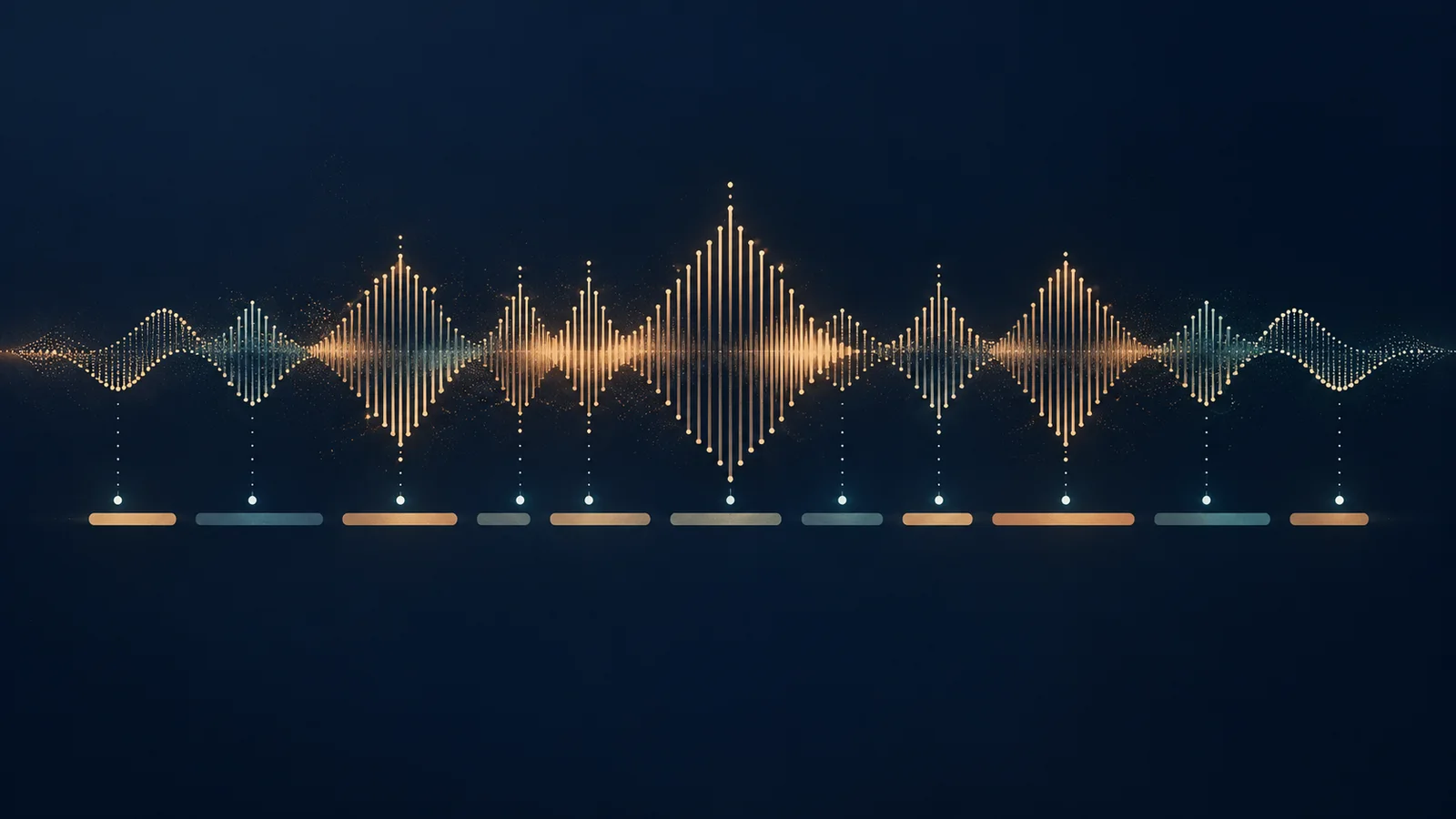
Technology Innovation Institute introduced Falcon-ASR, a 1.6-billion-parameter speech-recognition model focused on Arabic and the Emirati dialect. It also supports English, French, Spanish and Portuguese, giving developers one system for transcription across the six language varieties listed by TII.
Falcon-ASR can attach a timestamp to each transcribed word, linking the word to its position in the audio. TII says the same model weights work across all supported languages, with no language flag required, and the model returns text in the language being spoken. Its training covered Modern Standard Arabic, Emirati and other Gulf and Arabic dialects, as well as English, according to the institute. TII also used simulated noise, overlapping speech, music, reverberation, telephone effects, and changes in speed and pitch.
On public Arabic tests, the release team reported a 20.92% average word error rate and an 8.79% average character error rate across six test sets used by the Open Universal Arabic ASR Leaderboard. Lower error rates are better. TII ran Falcon-ASR on the leaderboard’s pinned test manifests, but the public leaderboard code opened for the research package did not contain an independently produced Falcon-ASR result.
TII compared its 20.92% result with a 23.17% average word error rate for Audar-ASR-V1-Turbo, the best published comparator in the team’s September 30 leaderboard snapshot. The 2.25-percentage-point difference is a release-team comparison, not a finding issued by the leaderboard’s maintainers. The public evaluation includes a UAE subset of the Casablanca dataset.
A separate Emirati and Gulf evaluation described in the release used internal held-out recordings and human-validated transcripts. TII reported a 22.73% word error rate and a 10.19% character error rate for Falcon-ASR on that set. It said the next-lowest word error rate among the compared systems was 26.80% for Qwen3-Omni-30B-A3B-Instruct. TII did not disclose the evaluation set’s size, composition, collection method or transcripts, so the internal comparison cannot be independently reproduced from the public material.
For English, TII reported a 5.74% mean word error rate across seven public test sets. The release included no French, Spanish or Portuguese accuracy results, leaving performance in those supported languages unquantified. TII says Falcon-ASR builds on its Falcon3-Audio work, which pairs language models with Whisper audio encoders. The earlier paper, however, does not document Falcon-ASR’s release-specific training or results.
Falcon-ASR is available through a public Hugging Face demo. TII said API access and native applications are planned, but it did not give a release date or commercial terms.
More news

OpenAI expands ChatGPT Ads to 26 additional countries
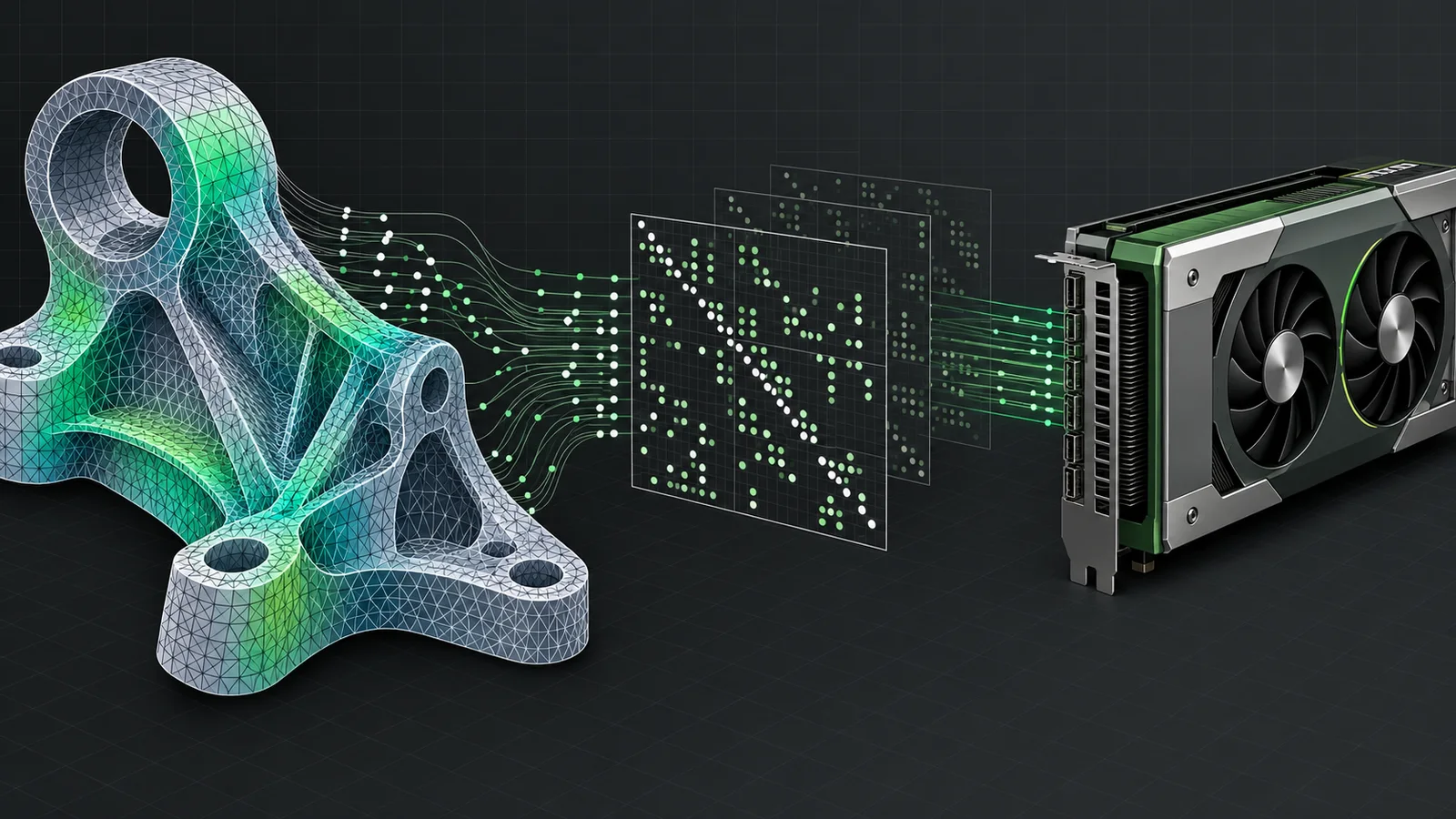
NVIDIA makes cuDSS generally available for GPU-accelerated simulation
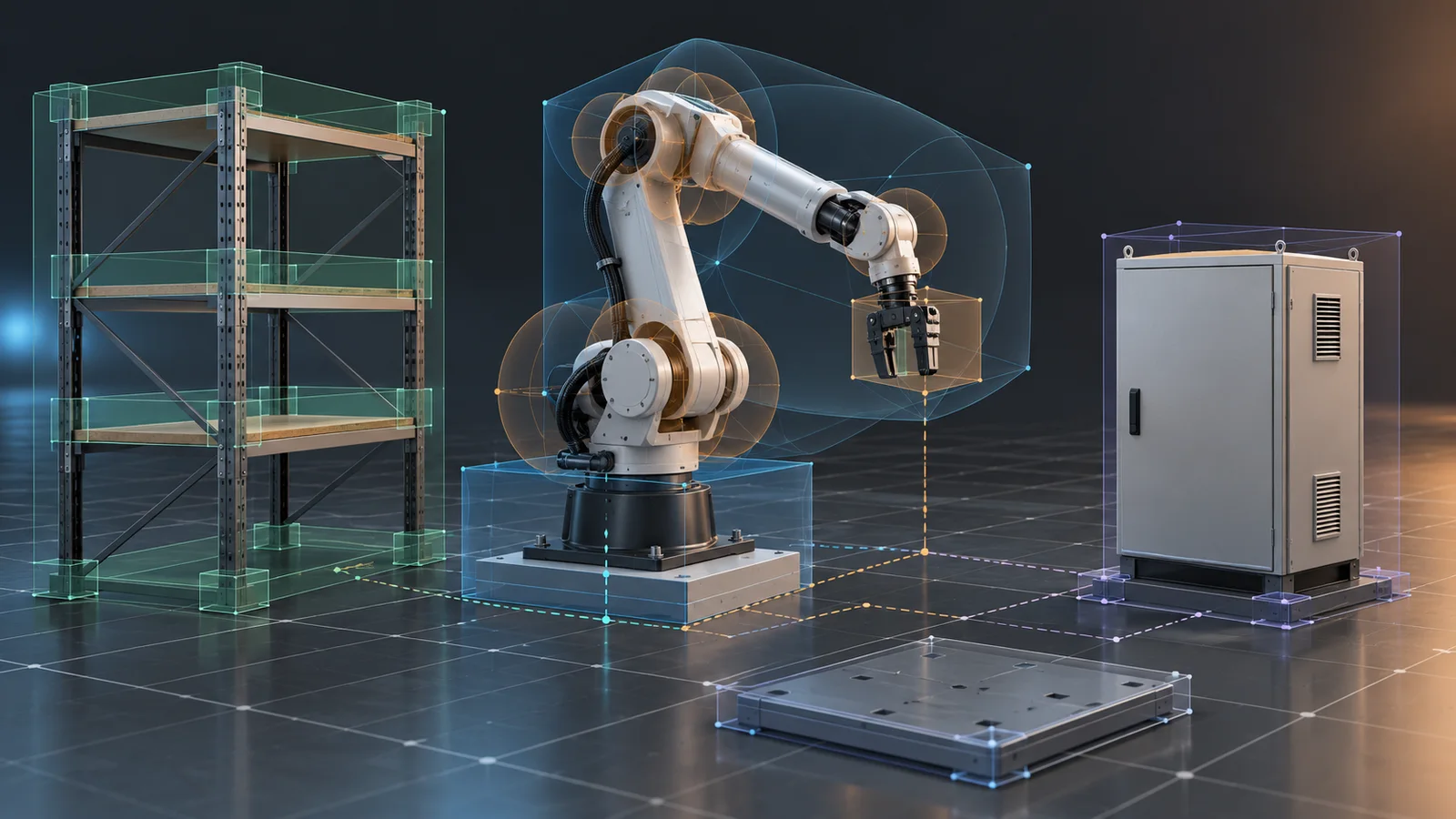
Hugging Face launches SimReady Central with more than 2,000 robotics assets