Google brings Gemini app to 2 GB Android Go devices
Google says Gemini now supports eligible Android Go devices with at least 2 GB of RAM, expanding access while performance and rollout details remain unverified.
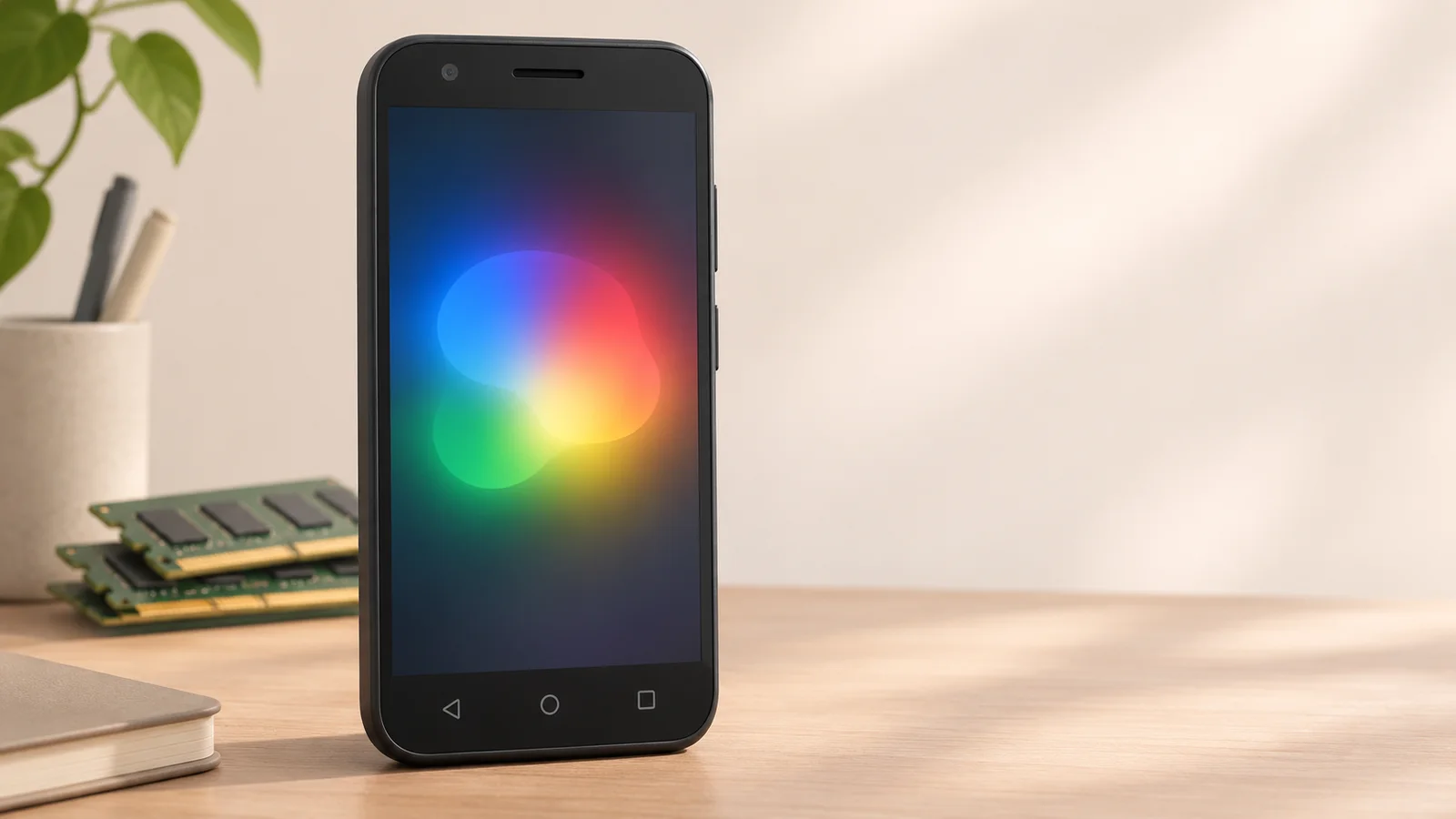
Google says it has made the Gemini app available on eligible Android Go phones with at least 2 GB of RAM, extending the assistant to lower-memory devices.
For Android Go users, Google’s dedicated support guidance says Gemini is available through the Google Search app. They can also download the standalone Gemini app from Google Play, and some newer phones may include it. Google said upcoming devices from Transsion are expected to preload Gemini, but it named no models and gave no timetable.
Google says it re-architected the app so the core Gemini experience runs smoothly with less memory. It published no architecture details, memory measurements or benchmark results, and the performance claim has not been independently verified.
The company also estimates that the rollout could bring Gemini to hundreds of millions more people. Google disclosed neither a calculation nor an independently verified device or user count to support that estimate.
Supported capabilities, according to Google, include Gemini Live, camera-based translation and assistance, image creation, file uploads, calls and texts, alarms, calendar events, local search and media playback. Its dedicated guidance says “Hey Google” activation and “Ask about this screen” are not supported on Android Go.
Eligibility still depends on account access and whether Gemini is available in the user’s language and country. Google did not provide a complete device list or specify which app versions and markets had received the rollout.
At the time of review, Google’s general Gemini availability page still said Android Go did not support the Gemini mobile app, contradicting the company’s dedicated lower-memory guidance.
More news

MuJoCo 4.0.1 corrects solver bug from major release

VAST Data says 14 customers made more than $10 billion in commitments

ClickHouse acquires Xata as Managed Postgres reaches GA on AWS