Google details smartwatch AI study for hypertension screening
Google’s Nature study tests an early-feasibility system for detecting persistent signs of hypertension from several days of smartwatch data, with clear clinical and cohort limits.
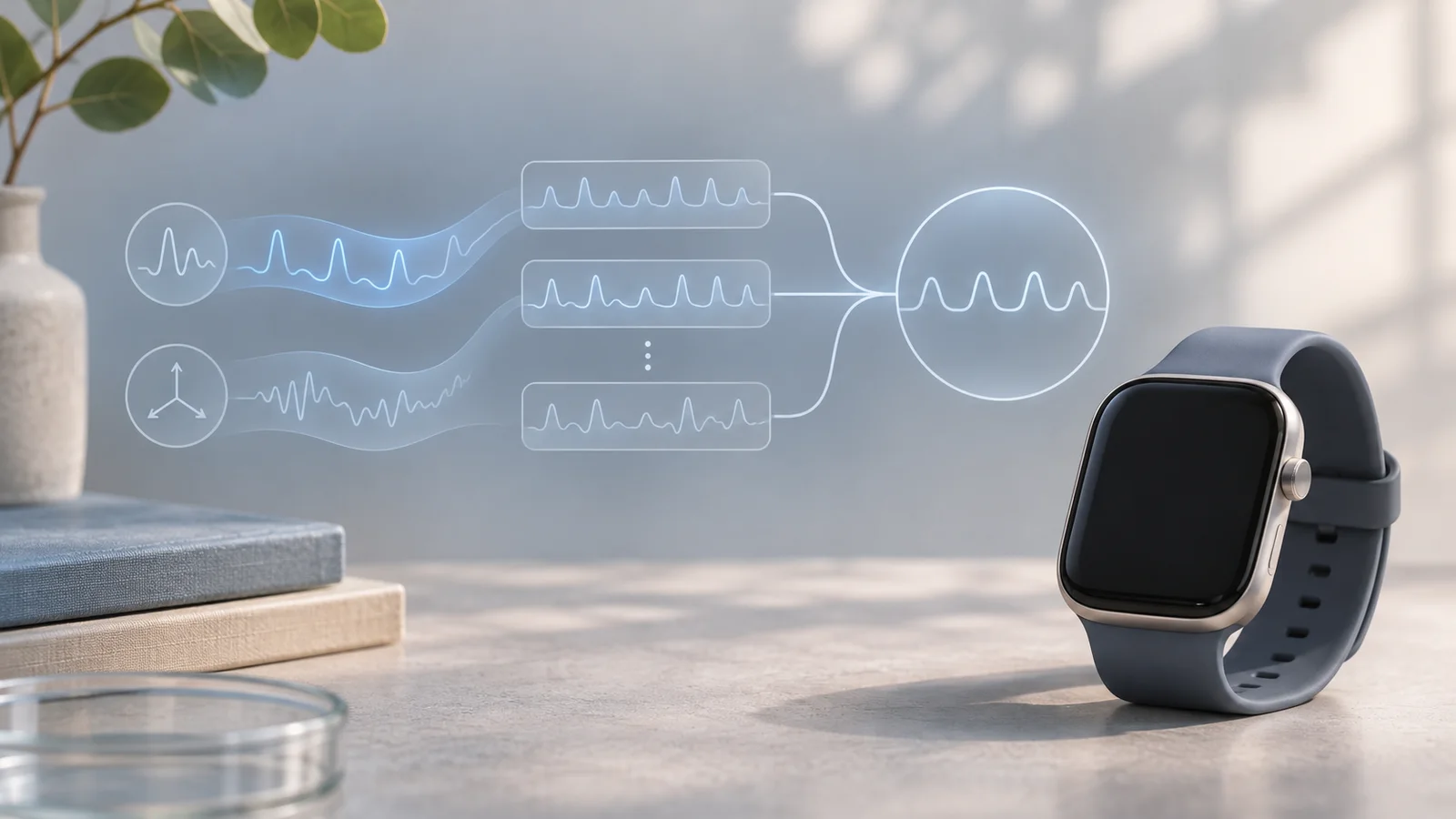
Google Research detailed an early-feasibility AI system that uses several days of consumer-smartwatch signals to identify persistent signs of hypertension without calibration to a blood-pressure cuff. The study, published in Nature, describes a screening method, not a device that estimates systolic or diastolic pressure at a given moment.
For the prospective validation study, 196 participants wore a smartwatch for seven days in everyday conditions across five US sites. Researchers compared the system’s classifications with 24-hour ambulatory blood-pressure monitoring, the study’s reference standard. Because participants had no known cardiovascular disease and were not taking antihypertensive medication, the findings cannot be applied broadly.
The prospective design is also used in a separate Google study of AI-assisted maternal ultrasound, but the hypertension research evaluates a different clinical target and sensor pipeline.
The system, called AI-PPG-ACC-HTN, combines photoplethysmography (PPG), an optical measure of pulse-wave changes, with accelerometer data that help identify still periods and capture small wrist vibrations associated with heartbeats. Its waveform encoder was pretrained through self-supervised learning on 492,347 hours of unlabeled data from 2,109 consenting participants, using overlapping 15-second sensor segments.
For each person, the system averages representations of those 15-second segments across several days, combines the result with the participant’s height and sends both inputs to a regularized logistic-regression classifier. It outputs a probability of a persistent hypertensive state rather than a blood-pressure reading.
Against ambulatory monitoring in the 196-person cohort, the system had 65.8% sensitivity, identifying roughly two-thirds of participants who met the study’s hypertension criteria. Specificity was 90.0%, and positive predictive value was 80.6%. Initial office screening in the same cohort had 55.3% sensitivity, 90.0% specificity and a 77.8% positive predictive value against the same reference.
The validation did not include people with known cardiovascular disease or those taking antihypertensive medication. Nor did it assess whether smartwatch screening improves diagnosis, treatment or health outcomes. Current US Preventive Services Task Force guidance recommends confirming an office screening result with out-of-office measurements from validated upper-arm devices before treatment.
Google said the system is exploratory, cannot replace a clinical arm cuff and does not provide a standalone diagnosis. The company said the findings helped inform a blood-pressure-trends feature called Health Guardian in the Google Health app, while stressing that the research methods do not announce an existing or forthcoming commercial-device capability.
More news
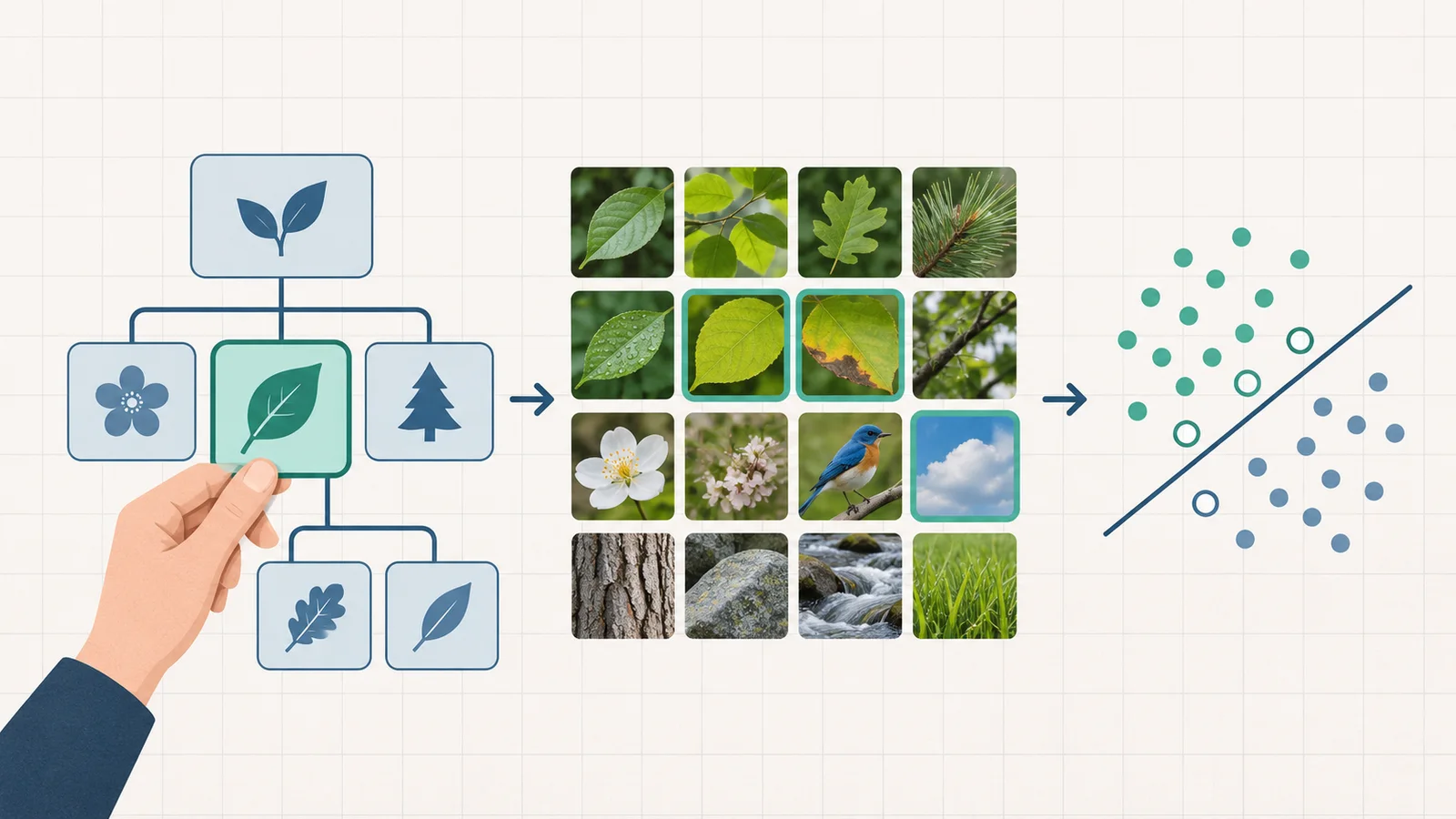
Google releases Agile Deliberation for subjective image classifiers

Google proposes wake-sleep cycle for continual-learning language models
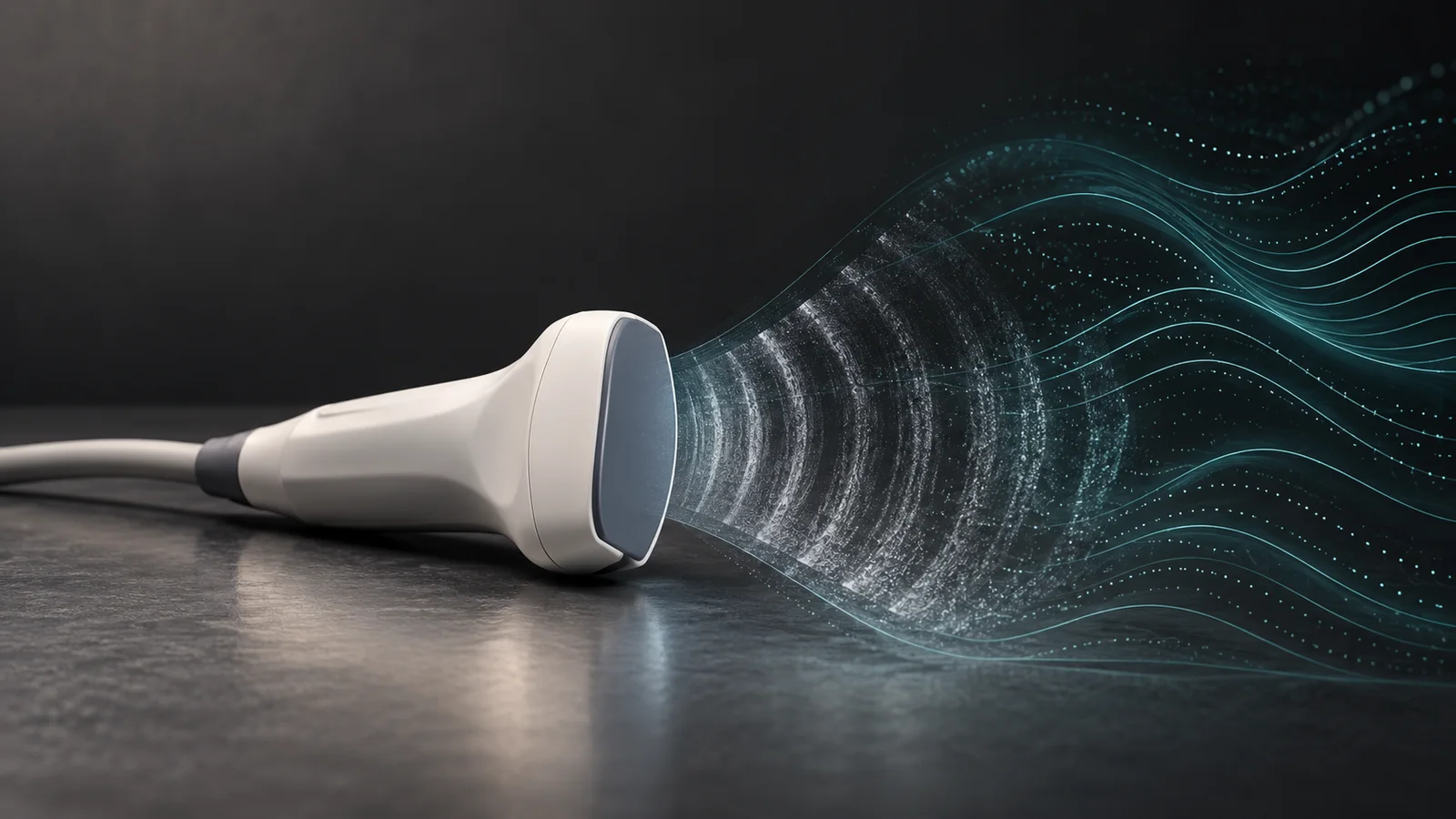
Google study finds AI ultrasound non-inferior across Chicago and Nairobi