iMerit details Scholars workflows for specialized AI model evaluation
iMerit is presenting Scholars as a way for AI developers to combine domain specialists with model-tuning and evaluation workflows, though its current public materials do not establish what platform functions are new in October 2026.
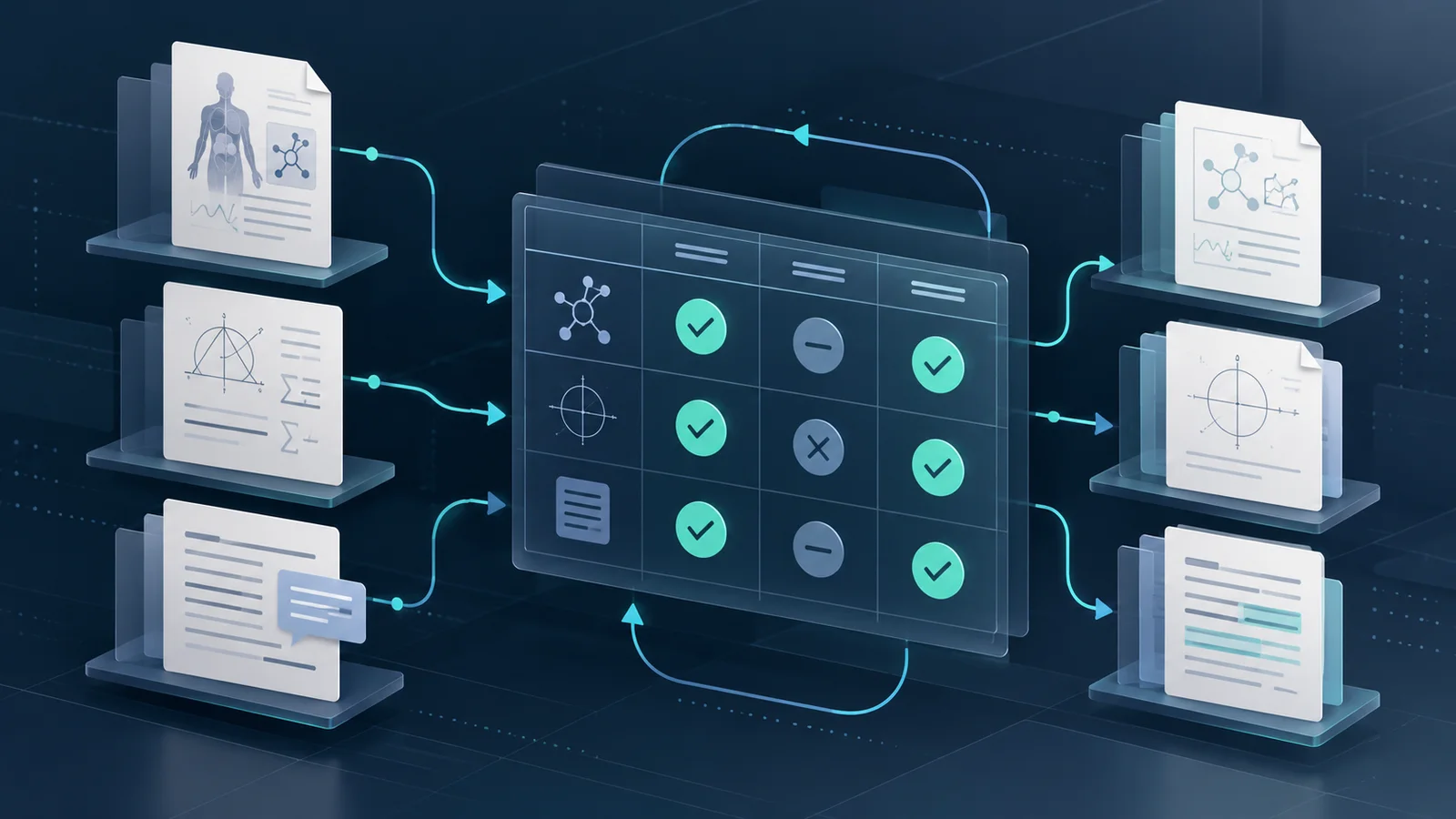
iMerit has published a product page for Scholars, packaging access to domain specialists with workflows for tuning, evaluating and correcting generative AI systems. The page gives companies a route to contact iMerit and experts a route to apply, but it does not provide public pricing or identify the capabilities and access model of a newly launched management platform.
That distinction matters because Scholars itself is not new. iMerit announced broad availability of the expert program in July 2025, while the official materials reviewed for the current offering do not include a dated October 2026 release or specify which platform functions became newly available.
The current product page lists supervised fine-tuning, prompt-and-response creation, reinforcement learning from human feedback, direct preference optimization, model evaluation and correction, chain-of-thought reasoning, and alignment and bias-mitigation work.
iMerit says Scholars works with its Ango Deep Reasoning Lab, which it describes as a multimodal environment connecting automated pipelines, model evaluators and specialized human judgment. The company introduced that lab in March 2025 and said at the time that it already used the Scholars network in model-reasoning workflows.
The company markets Scholars as a vetted network of specialists and says its experts can improve data quality and model precision. Those are iMerit claims: the public sources reviewed do not provide an independent benchmark, named customer or methodology that would substantiate comparative expert quality or resulting model-performance gains. Examples in iMerit’s official materials refer to ambient-scribe, mathematical-reasoning and autonomous-vehicle language-and-vision work, but they do not identify customers or publish results that can be independently checked.
The opened official materials also do not document centralized functions for recruiting, onboarding, assignment, compensation and payments. The official product surface establishes the available workflow menu and the contact and application paths, but not the scope or release date of a distinct new platform layer.
More news

Block previews Dessa voice model for limited safety testing
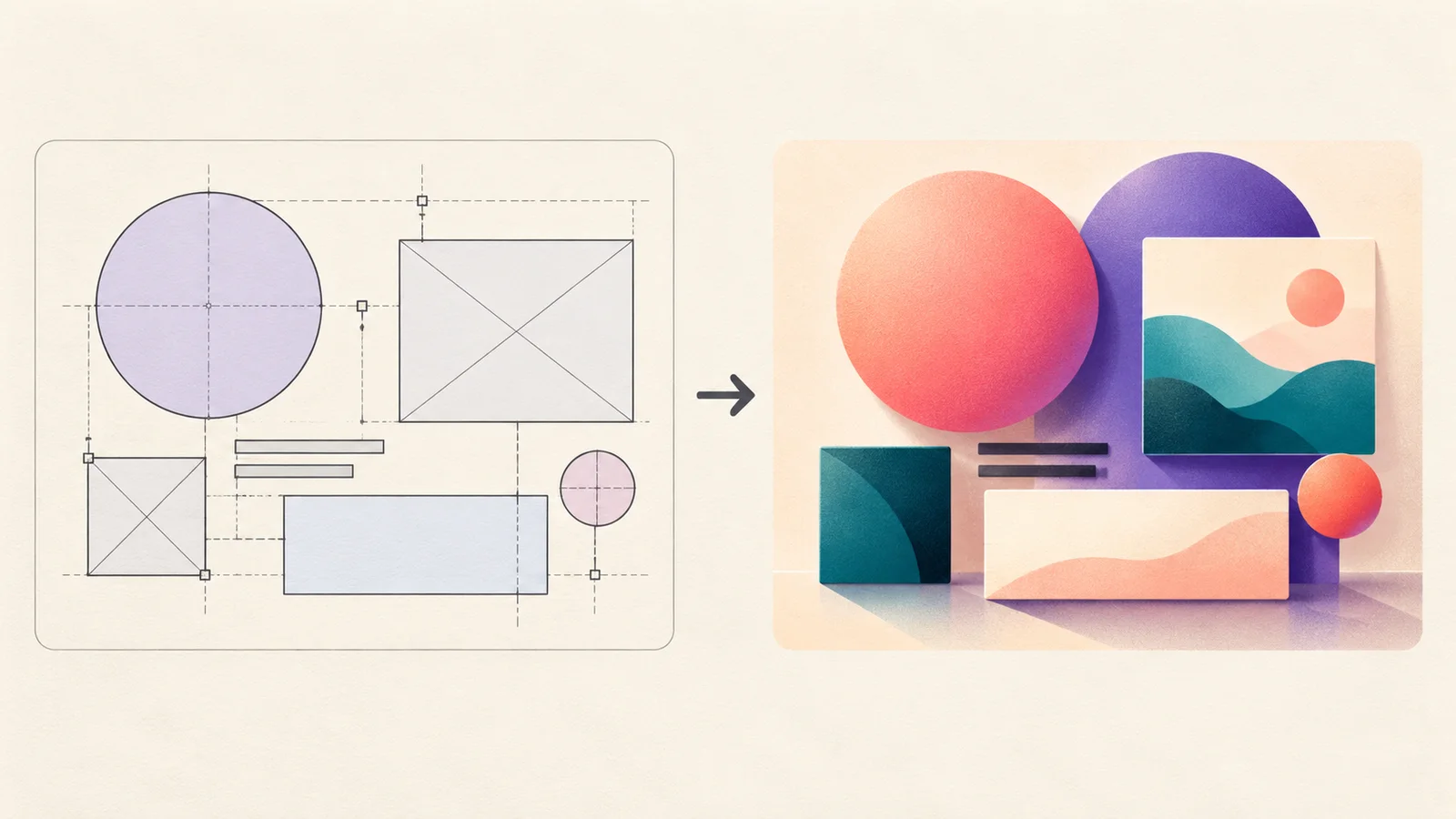
Canva launches Craft image model with two-stage design architecture

AWS upgrades Amazon Polly Generative engine with 14 new voices