Microsoft and NVIDIA publish open-weight model risk framework
The companies' joint guidance groups open-weight model risks into five categories and ties evaluations and controls to each deployment's context.
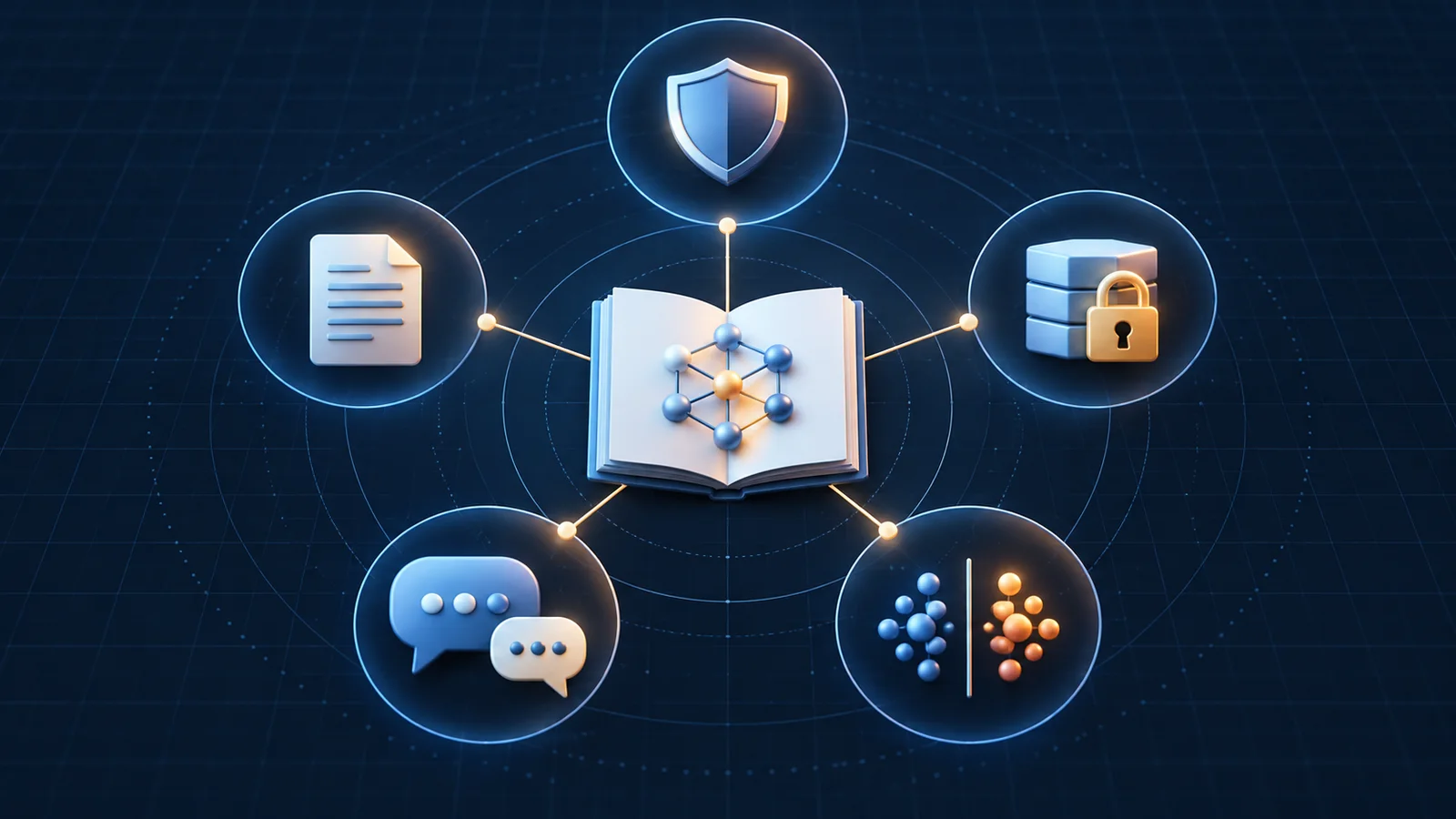
Microsoft and NVIDIA published joint guidance for managing open-weight AI model risks in enterprise deployments. The document organizes potential harms into five categories and connects them to evaluations, safeguards and accountable owners.
This is company guidance, not an independent standard, audit or certification. It is meant to help teams assess cybersecurity, data protection, content, human-AI interaction and bias risks for a particular deployment, rather than treat access to a model’s weights as a sufficient measure of risk.
Microsoft said weight openness alone does not determine an AI system’s risk. The approach asks teams to consider the model together with its intended use, users, deployment conditions, safeguards and surrounding controls. Evaluation results still require deployment-specific interpretation; they are not a universal safety verdict.
The paper maps selected evaluations to risks across the five categories, helping teams connect evidence to the issues relevant to a deployment. It also calls for linking identified risks to mitigations and named owners. Listed controls include model changes, access restrictions, input and output filtering, monitoring and human review.
Responsibility for those safeguards can shift with the way a system is delivered. Microsoft said an enterprise running its own deployment may need to assume controls that a managed service would otherwise provide.
The first paper concentrates mainly on the model layer. The companies explicitly caution that evaluating a model alone does not establish the safety of an agent or application built around it.
The guidance draws on existing ISO standards and the NIST AI Risk Management Framework. NIST describes its framework as voluntary and developed through a consensus-driven public process. Microsoft and NVIDIA’s document remains their own implementation guidance, not a new independent standard.
Microsoft called the paper the first in a planned series. The companies said future guidance is intended to cover runtime, harness and application layers, and they plan to add evaluation resources to the companion repository. Hosted by NVIDIA, the repository identifies both companies as maintainers and requires approval from a maintainer at each company for changes to its taxonomy and evaluation index.
More news

Microsoft broadens Sovereign Cloud controls across three deployment models
Scale opens Nemotron post-training service to enterprises
Former Groq shareholders challenge $20 billion Nvidia licensing deal