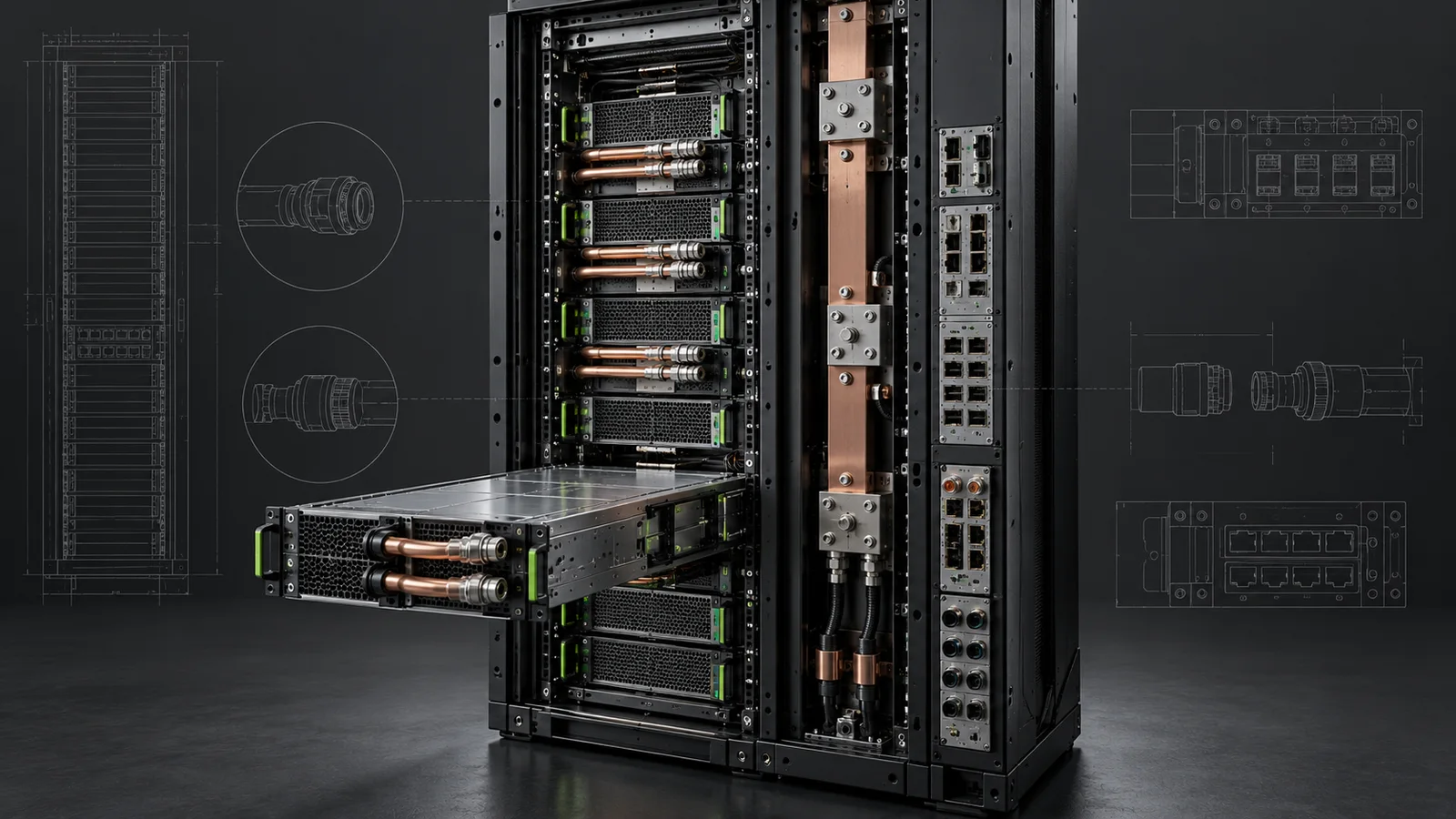
NVIDIA says 8,192 GPUs ran a 104-qubit fault-tolerant simulation
NVIDIA says researchers used 8,192 GH200 GPUs on JUPITER to simulate a 104-qubit magic-state cultivation protocol under realistic hardware noise before equivalent quantum hardware is built.
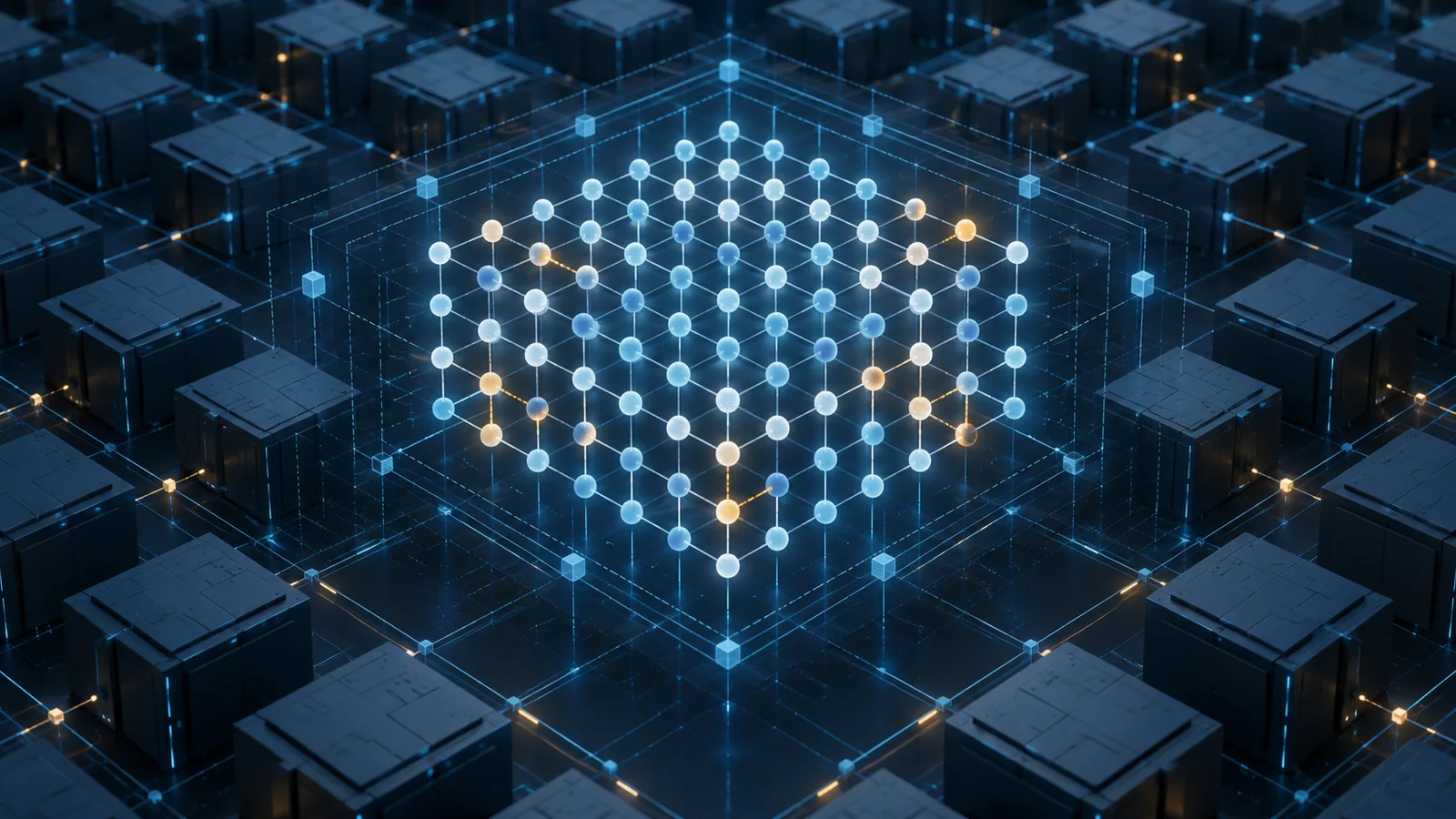
NVIDIA says its researchers used 8,192 GH200 GPUs on the JUPITER supercomputer to simulate magic-state cultivation across 104 qubits under realistic hardware noise. The company calls the work the largest comprehensive simulation of a fault-tolerant quantum processor to date, a record claim that has not been independently confirmed.
Magic-state cultivation is a method for preparing special logical states consumed during fault-tolerant quantum computation. NVIDIA says modeling that process can show researchers how noise affects a design, letting them evaluate and improve fault-tolerance choices before building the corresponding quantum hardware. The work adds a quantum-simulation example to NVIDIA’s wider European research-computing activity.
NVIDIA says development began on a GB200 NVL72 system at its Accelerated Quantum Research Center, where tests scaled from four GPUs to hundreds before moving to 8,192 GPUs on JUPITER. The company says the simulations used cuQuantum and CUDA-Q, and that the development process reduced a weekslong simulation effort to days.
The Jülich Supercomputing Centre’s technical overview describes JUPITER as Europe’s first exascale supercomputer. Its GPU-focused Booster has 5,884 compute nodes, each with four NVIDIA GH200 Grace Hopper superchips.
A 2024 paper introducing magic-state cultivation estimated an order-of-magnitude reduction in qubit-rounds compared with prior work at specified logical error rates under a uniform depolarizing circuit-noise model. That metric is not the same as NVIDIA’s claim that cultivation uses 90% fewer physical qubits than previous methods, for which the announcement does not identify a comparison baseline.
A September 2026 preprint reported that some T-state cultivation benchmarks had lower fault distance than intended under circuit-level depolarizing noise. Its authors proposed flags to detect the responsible errors and reported improved modeled logical-error scaling. The papers support the protocol’s research context, but neither independently verifies NVIDIA’s record claim or the full-scale JUPITER run.
More news
CoreWeave credit risk hits record as Huang says Nvidia backstop is not needed
NVIDIA introduces cuPotential for atomic-scale chip modeling

NVIDIA details agentic AI deployments across French industry