IBM adds Qiskit tools and managed workflows at QDC 2026
IBM QDC 2026 highlighted client-side Qiskit primitives, error-handling tools and managed workflows alongside its existing Nighthawk r2 access.
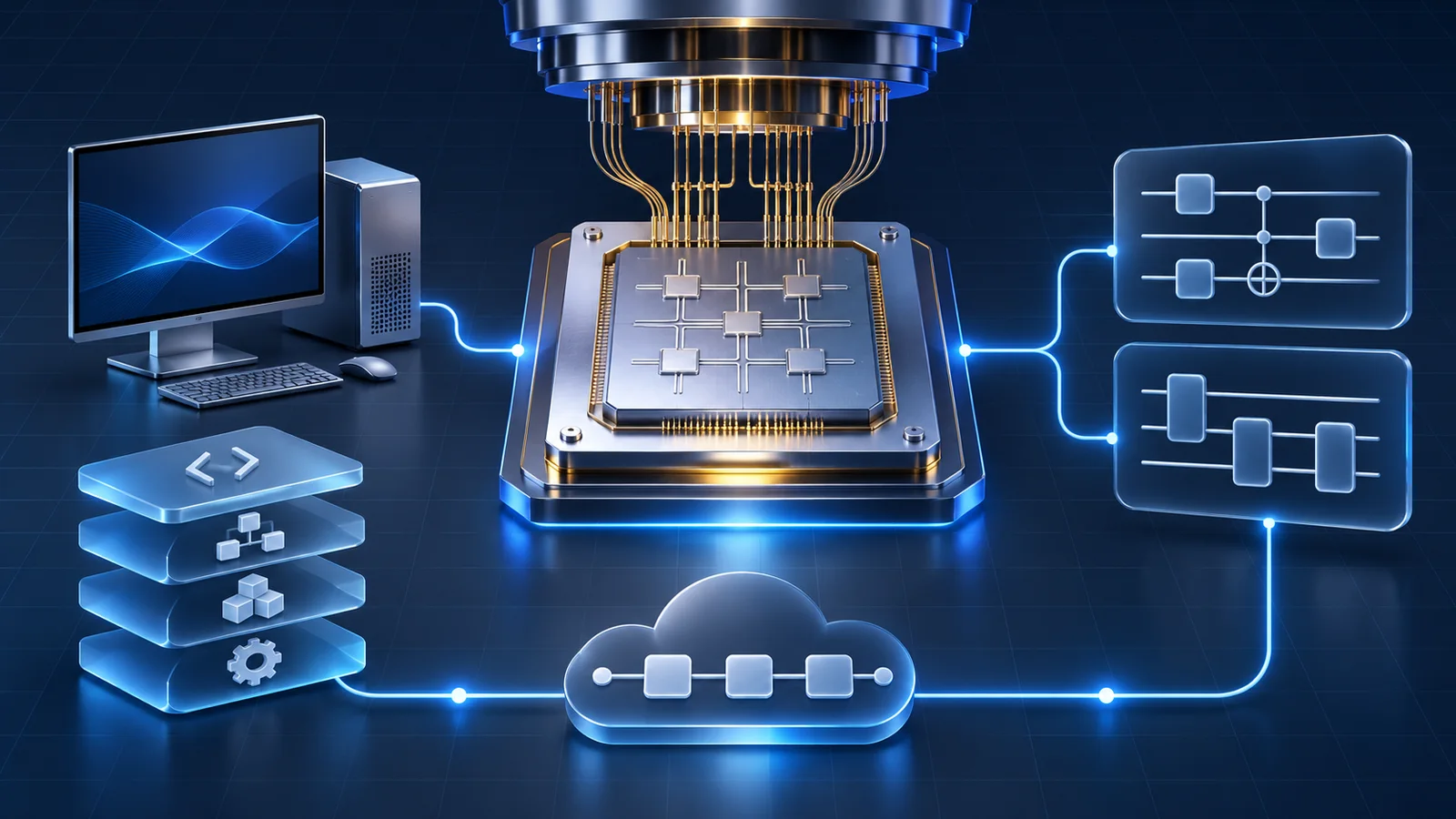
IBM added client-side Qiskit primitives, error-handling packages and managed hybrid workflows to its quantum developer stack at QDC 2026 on Nov. 11, while highlighting developer access to its Nighthawk r2 processor.
The releases change how developers can assemble and run quantum-classical applications. IBM’s client-side Sampler and Estimator primitives move preprocessing, post-processing and error-mitigation logic into a developer’s environment, where those steps can be inspected and customized, while an Executor component sends work to quantum hardware.
IBM also highlighted several specialized packages. Qiskit Paulice adds spacetime Pauli checks to Clifford circuits so developers can detect errors and discard affected samples, although the checks require ancillary qubits and extra sampling. The public Qiskit Mitigation repository supports customizable pipelines that include probabilistic error cancellation, TREX, zero-noise extrapolation and postselection. Qiskit Fermions provides tools for fermionic operators, qubit conversion, circuits and Qiskit-integrated transpilation. Both repositories use the Apache 2.0 license.
IBM’s managed workflows are in beta for Premium, Flex and On-Prem plan users. Developers can upload Python workflows to IBM-managed classical infrastructure, choose CPU, memory and GPU resources, and use persistent workflow file storage. Jobs can run asynchronously for up to 24 hours and continue after a local session closes, but they cannot access the outbound internet.
IBM also introduced Resource Units to meter quantum and classical services. Its plan documentation defines one Resource Unit as one minute of standard quantum-processing-unit time, while classical compute is metered by the second according to its resource profile. Flex, Premium and On-Prem users can estimate Resource Unit use through dry runs without consuming their allocation.
The hardware portion centers on Nighthawk r2, a 120-qubit processor available through IBM Quantum Platform and part of IBM’s broader Nighthawk processor work. IBM says Nighthawk r2 exposes pulse-level features that include mid-circuit measurement, fast reset, dynamic circuits and soft-readout data.
IBM also claims the system can execute accurate circuits with more than 7,500 quantum operations, process as many as 100,000 samples or circuits per second and deliver up to 25 times the throughput of its Heron processor. The opened evidence did not include an independent reproduction of those benchmarks under a common test protocol.
IBM separately says its platform can run a one-million-round repetition-code experiment inside one circuit by looping over mid-circuit measurement and reset layers. IBM labels the relevant loop support and calibration experimental and subject to change. The available evidence does not independently establish the experiment’s error rate or useful output quality.
A September preprint reports a narrower random-circuit-sampling experiment on 61 of Nighthawk r2’s qubits. The authors estimate that producing a one-million-sample ensemble, which they say took 19 seconds on the device, would require about 110 years on the Frontier supercomputer under their bounded-fidelity rejection-sampling model. The estimate depends on the paper’s assumptions, and the preprint leaves open whether other classical methods could change the comparison. It does not establish IBM’s broader assertion that the research community reached quantum advantage in 2026.
IBM is also distributing agent skills for Qiskit for assistants compatible with the Agent Skills format. Its developer guide lists four skills covering runtime migration, selection of error-mitigation methods and two fermionic-simulation workflows. IBM’s Open Plan remains free with up to 10 minutes of quantum-compute use in a rolling 28-day period. Eligible non-trial users who log 20 minutes within 12 months can opt into a one-time additional 180 minutes for the following year. IBM says a broader Backend v3 interface is planned for 2027 and is not part of the newly available 2026 stack.
More news

IBM makes Quantum System Two operational in Chicago
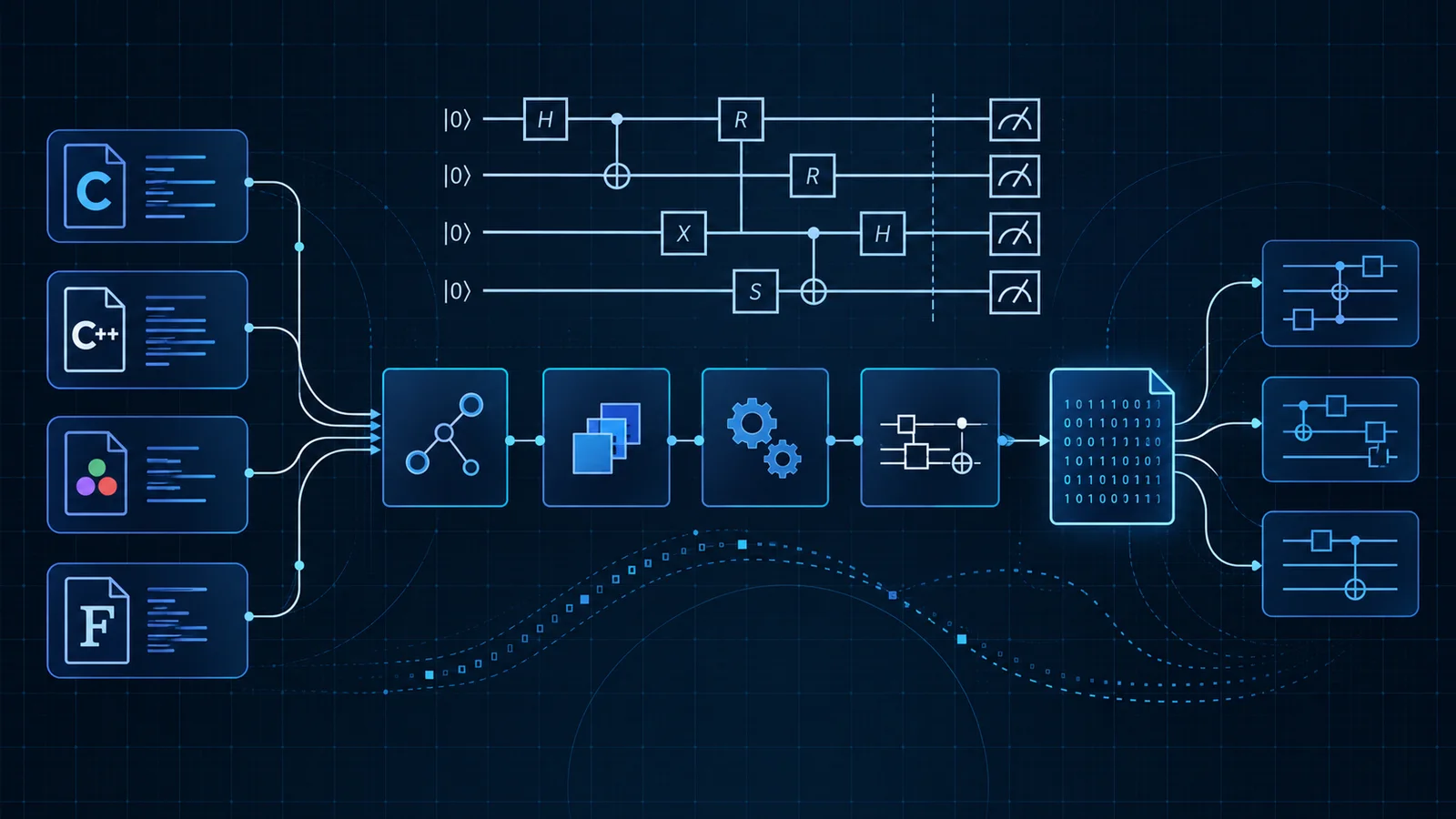
IBM broadens Qiskit SDK 2.6 C API for compiled-language workflows
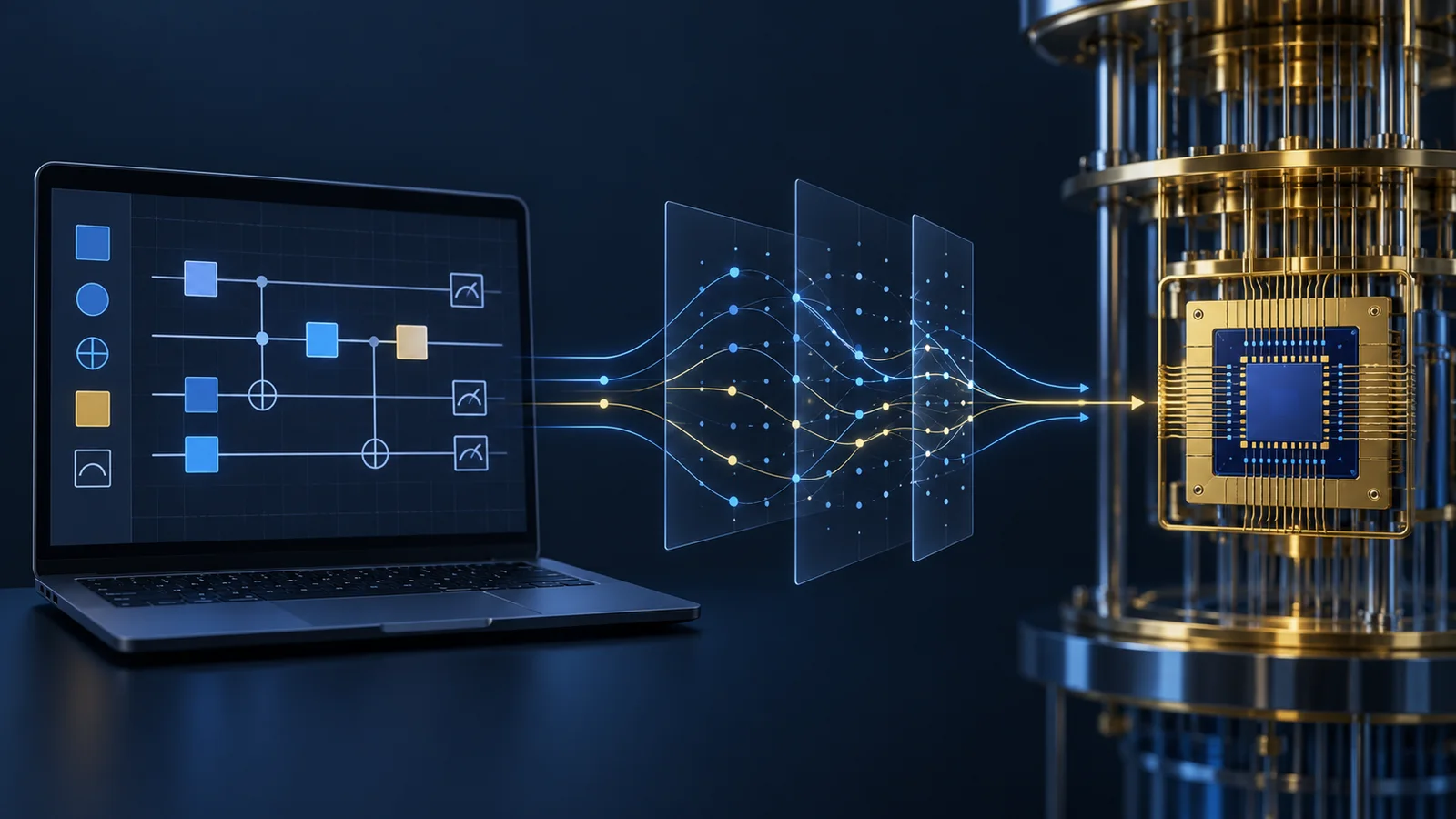
IBM exposes quantum error-mitigation controls through Executor