OpenAI adds a shared Library to ChatGPT Enterprise and expands Codex browser tools
The June 12 release also retires GPT-5.2 models in favor of GPT-5.5 and extends Codex Computer Use to Enterprise users across most of the world.
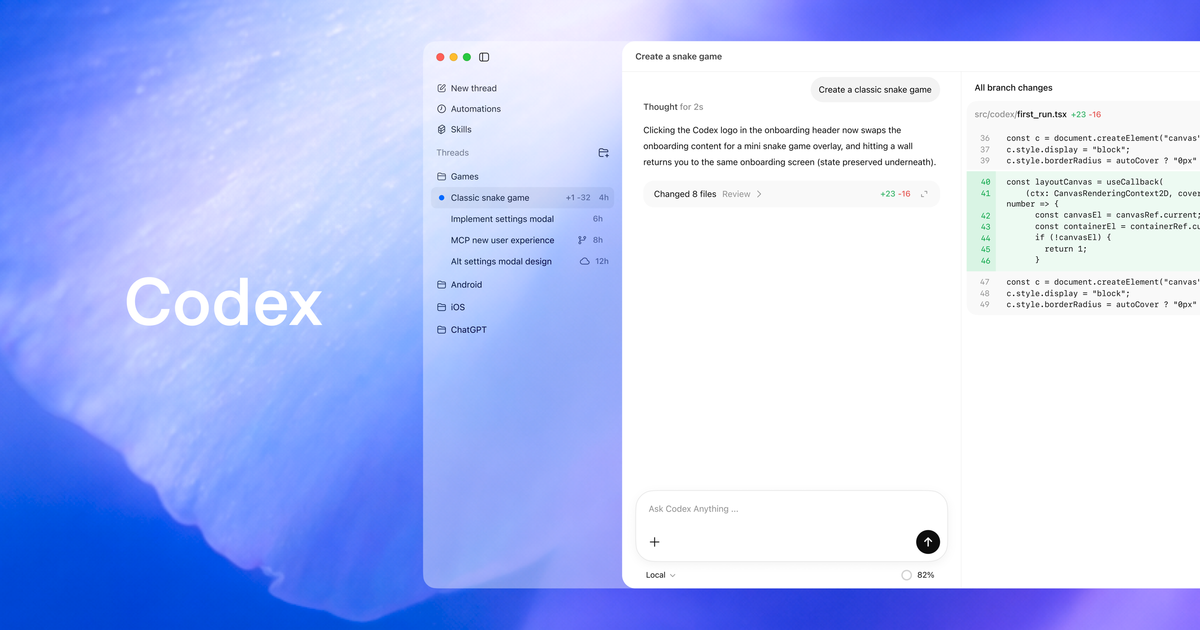
OpenAI on June 12, 2026 began rolling out a Library feature to ChatGPT Enterprise, Education, and Healthcare workspaces, part of a release bundle that also retires its GPT-5.2 models and extends its Codex coding agent with new browser debugging tools. The Library gives workspace members a single place to find and reuse files they have uploaded to or created in ChatGPT.
The feature is built for managed environments. Files saved to the Library follow a workspace's existing retention policies, and workspace owners can toggle whether ChatGPT automatically references those files when it responds, per the ChatGPT Enterprise release notes. The control matters for organizations that need to keep ChatGPT from drawing on stored material by default.
The same update removes the GPT-5.2 family — GPT-5.2 Instant, GPT-5.2 Thinking, and GPT-5.2 Pro — from ChatGPT, with existing conversations migrating automatically to the matching GPT-5.5 variant. OpenAI did not detail differences between the versions in the note.
Codex got the larger functional change. A new Developer Mode for Browser Use in Chrome and the Codex in-app browser gives the agent controlled Chrome DevTools Protocol (CDP) access, letting it profile performance and debug network traffic, console output, runtime errors, and page state, according to the Codex changelog. OpenAI also expanded Codex Computer Use to Enterprise users globally outside the European Economic Area, the UK, and Switzerland, and added per-app access controls for Computer Use on Windows.
OpenAI says more than 4 million developers were using Codex weekly as of mid-2026, a company figure that has not been independently verified. Taken together, the changes push ChatGPT further toward a managed workspace for teams and give Codex deeper reach into the browser — incremental on their own, but a consistent direction as OpenAI builds out its enterprise and agent tooling.

An entrepreneur with over a decade of experience in AI, Cloud, and HPC. He is currently a DevOps Architect and the founder of Data Phoenix, an influential media voice for the AI industry, with a strong focus on community building and open source.
More news

Atlassian and OpenAI expand partnership across Rovo and Codex
OpenAI says 1Password raised engineering productivity 20.9% with Codex

OpenAI launches Admin plugin for ChatGPT Work and Codex
OpenAI lets Oracle Cloud customers buy GPT-5.5 with existing credits
Dmytro Spodarets·Jun 11, 2026