OpenAI launches Grid Protectors with 1,000 MW Georgia pilot
An approved demand-response agreement will let Georgia Power cut delivery to OpenAI’s planned Effingham County campus by up to 1,000 MW when the grid is strained.
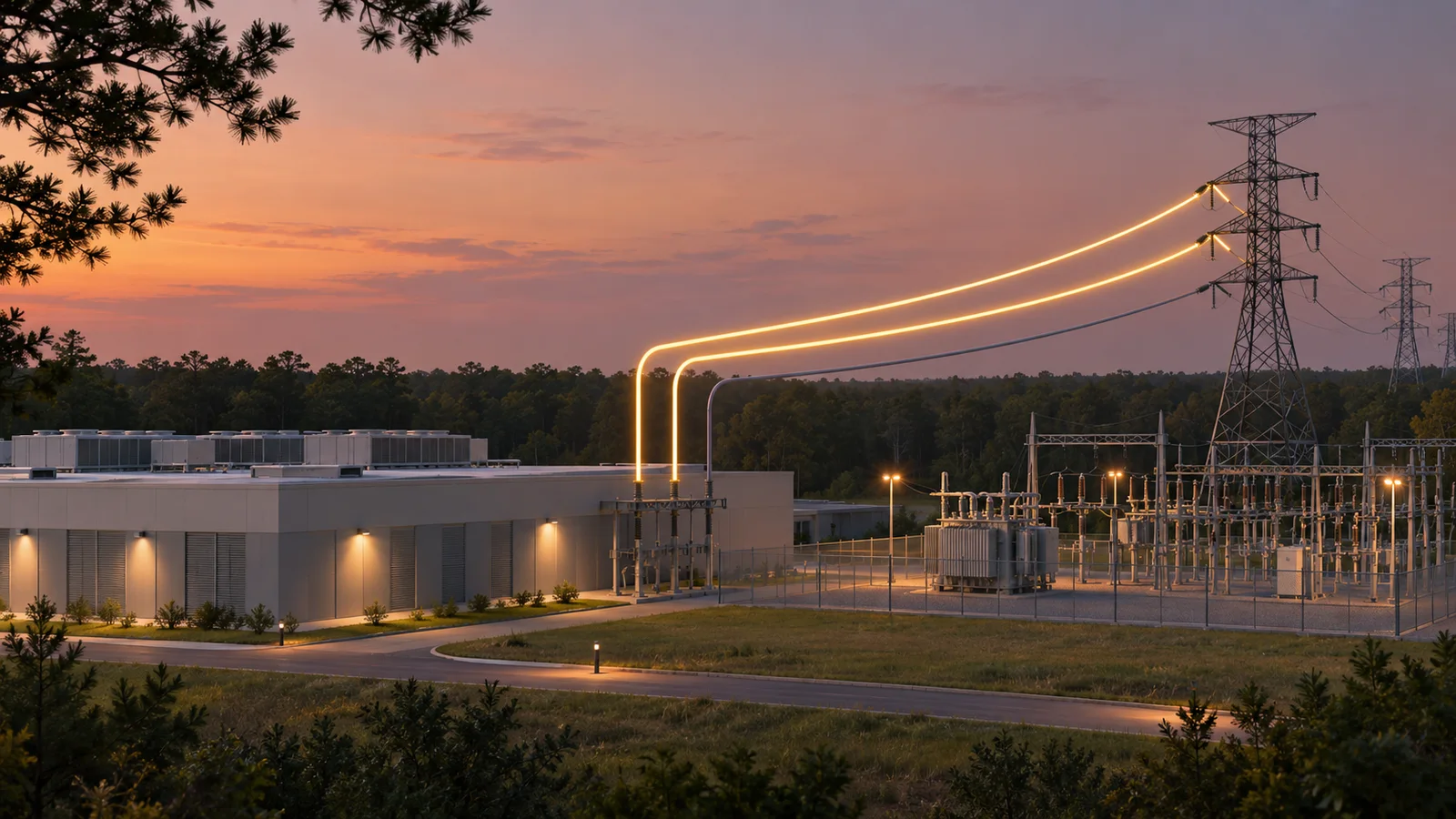
OpenAI launched its Grid Protectors Program on Nov. 2 with a Georgia pilot that will let Georgia Power cut electricity delivered to the company’s planned Effingham County compute campus by up to 1,000 megawatts during periods of high demand.
The commitment is part of an approved service agreement for the campus, which remains in development. OpenAI has said the project will require about 3,200 MW, delivered in phases from 2028 through 2032. The pilot works by curtailing the campus’s load when the utility calls for relief; it does not send 1,000 MW of newly generated electricity to nearby homes.
Georgia Power said the 25-year agreement allows it to reduce energy delivered to the facility at certain times to support grid stability. Public sources do not disclose the precise activation triggers, notice period, event duration, annual call limits, compensation terms or minimum reduction that OpenAI must deliver.
The contract cleared regulatory review in August after Georgia Public Service Commission staff declined to object, allowing it to proceed without a public commission vote. Georgia Power characterized the agreement as approved. The cited public docket provides a joint statement rather than the contract itself, limiting independent review of its full terms.
OpenAI says 1,000 MW is comparable to the average electricity demand of roughly 700,000 households and could help keep air conditioning running during extreme heat. That is a company comparison, not a promise of dedicated power for 700,000 homes. The opened sources do not provide OpenAI’s calculation method.
OpenAI and Georgia Power say the company will cover the infrastructure and electric-service costs required for the project. Separately, Georgia Power projects about $950 million in annual customer savings beginning in 2029 from incremental revenue tied to its broader portfolio of large-load agreements and expected growth, including the OpenAI project. The utility also estimates at least $15 a month in benefit for a modeled residential customer using 1,000 kilowatt-hours. Those figures describe projected downward pressure on future rates, not guaranteed bill credits or savings attributable to the OpenAI contract alone.
OpenAI said it wants to extend Grid Protectors to future U.S. campuses but acknowledged that flexible demand cannot replace investment in generation and transmission. It has not announced another binding, campus-specific commitment; the company said additional arrangements will vary by location and be disclosed after they are finalized.
More news

Chevron says Microsoft-linked Texas data-center project remains on schedule

Murata plans ¥1 trillion MLCC expansion through fiscal 2030

Oracle limits additional funding through fiscal 2030 to $20 billion