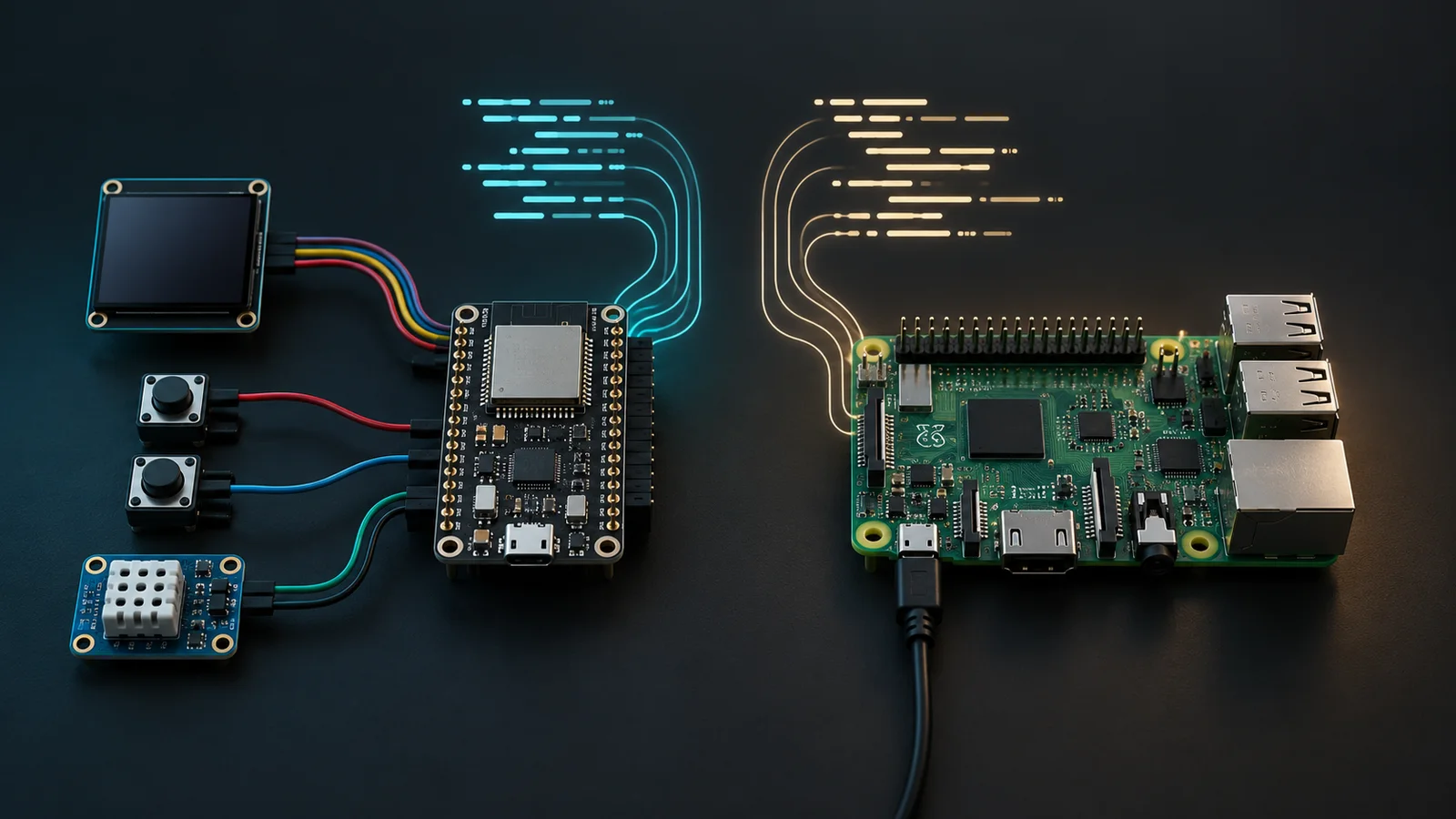
OpenClaw releases open-source control plane for enterprise agents
OpenClaw released a vendor-neutral control plane for self-hosted persistent agents, positioning the current software for internal pilots ahead of a planned 1.0 release.

OpenClaw has released OpenClaw Enterprise, an open-source control plane for persistent agents. The current version is intended for internal pilot workloads rather than broad production use.
The vendor-neutral project gives platform teams a self-hosted layer for multi-tenancy, security boundaries, lifecycle governance and auditing. Teams can replace the underlying model, agent harness and sandbox. The project enters a market that also includes managed agent infrastructure. OpenClaw says the software can run locally for development or on an organization’s existing Kubernetes cluster.
The public repository identifies the code as MIT-licensed. The implemented system includes an HTTP API, browser console, durable worker, PostgreSQL persistence and Kubernetes packaging. According to its setup guidance, the default Compose control-plane preview cannot deploy agents without an appropriate compute profile; the documented deployment path uses Kubernetes.
The architecture documentation describes a single installation with isolated logical namespaces. Each deployed agent owns a gateway and revision history. The control plane therefore manages multiple single-agent runtimes instead of turning one gateway into a shared multi-tenant service.
In dedicated Kubernetes deployments, the system separates gateway and harness namespaces, identities and storage. The documentation warns that namespace separation alone does not isolate nodes. Operators must configure disjoint node pools when that boundary is required.
Other security and deployment capabilities remain on the roadmap. The architecture documentation lists external access-gateway admission, workload-token authentication to the control plane and general credential-free model inference as future work. It also labels the two-cluster deployment profile experimental. OpenClaw says it will publish a reference architecture explaining how workload boundaries, sandboxing, model-based reviews and permissions work together.
OpenClaw says the project began at OpenAI, was donated to the OpenClaw Foundation and is now independently developed with Red Hat and Nvidia. Red Hat says it is applying engineering resources to OpenClaw and OpenShell, drawing on expertise in Linux, Kubernetes, vLLM and open-source systems.
OpenClaw also says OpenAI and Red Hat are piloting the control plane internally. The available evidence does not independently establish either deployment claim or show that OpenAI’s cited Androidclaw workflows run under OpenClaw Enterprise.
A 1.0 release is planned for later in 2026, but OpenClaw has not provided an exact date, final scope or graduation criteria.
More news
Action State releases open-source receipts for AI-agent actions

Perplexity open-sources SPACE agent sandbox under Apache 2.0

ArtCraft publishes source and downloads for seven Rust creative apps