SGLang Omni adds a streamed speech tool for Inkling 2 Mini
Synthesis can start as soon as the first sentence is complete. When the runtime detects an interruption, it stops playback and uses the client’s report to estimate what played.
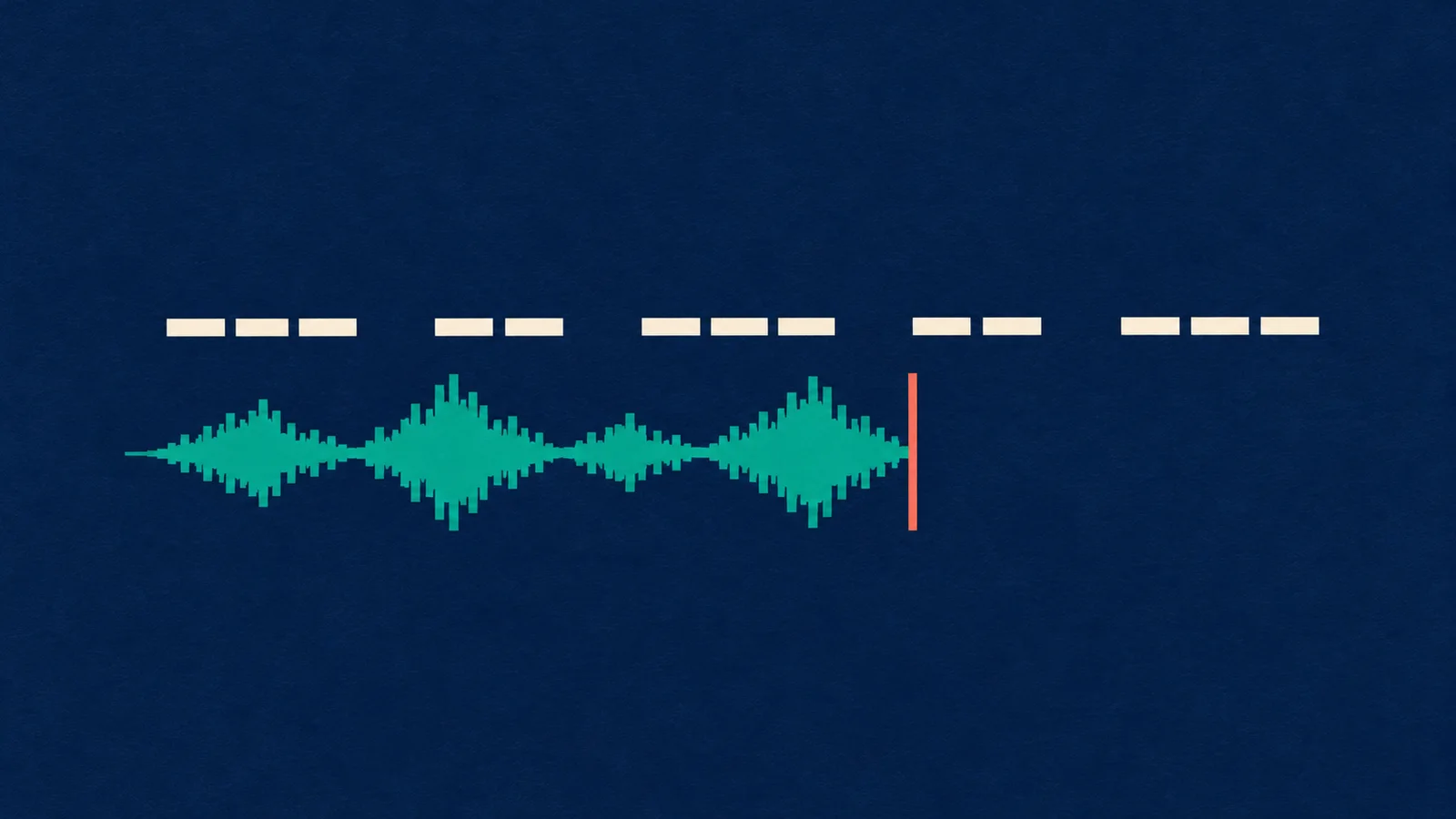
SGLang Omni merged a voice profile for Inkling 2 Mini into its main branch. The system can start turning the first complete sentence into audio while the model writes the rest of the reply. A tagged server release containing the profile remains unconfirmed.
In its three-model replay, the SGLang Omni team reported that for requests for three-sentence replies, the average of the models’ median times to first audio fell from 1,826 milliseconds with the old direct-text pipeline at low reasoning effort to 567 milliseconds with streaming and a prefilled tool call that skipped model-generated reasoning. Independent replication remains unconfirmed.
The team replayed the same 15 speech clips per configuration and requested reply length. The client timed the interval from sending the packet that marked the detected end of speech to receiving the first nonempty audio chunk.
Inkling 2 Mini chooses what to say by writing the words in the text field of a tts_start tool call. The chat service streams those words as the model writes them, so the synthesizer can work sentence by sentence. The prefilled configuration supplies a fixed line of reasoning and the opening of the call, so the model starts at the spoken text and generates no reasoning of its own.
With model-generated reasoning enabled, the team reported no measurable first-audio improvement for Inkling 2 Mini from streaming the tool text compared with waiting for the whole call.
When the system detects speech during a reply, the runtime stops playback and model generation and clears queued audio. The runtime keeps the generated text in the original call and uses the client’s playback report to estimate what played. The Inkling profile can use word timings to mark where playback stopped. The tool result carries that estimate in heard_prefix, which the model receives with the next user input.
More news

UNC researchers report faster ultra-long video search with DeLoVi

IBM Research details a CUGA voice prototype for Indic languages
AWS launches voice cloning in Amazon Polly with gated access