Snowflake previews agent observability tools for Observe
Snowflake says Agent Observability is coming to private preview in Observe, with OpenTelemetry-compatible tracing, agent debugging, cost signals and online evaluations.
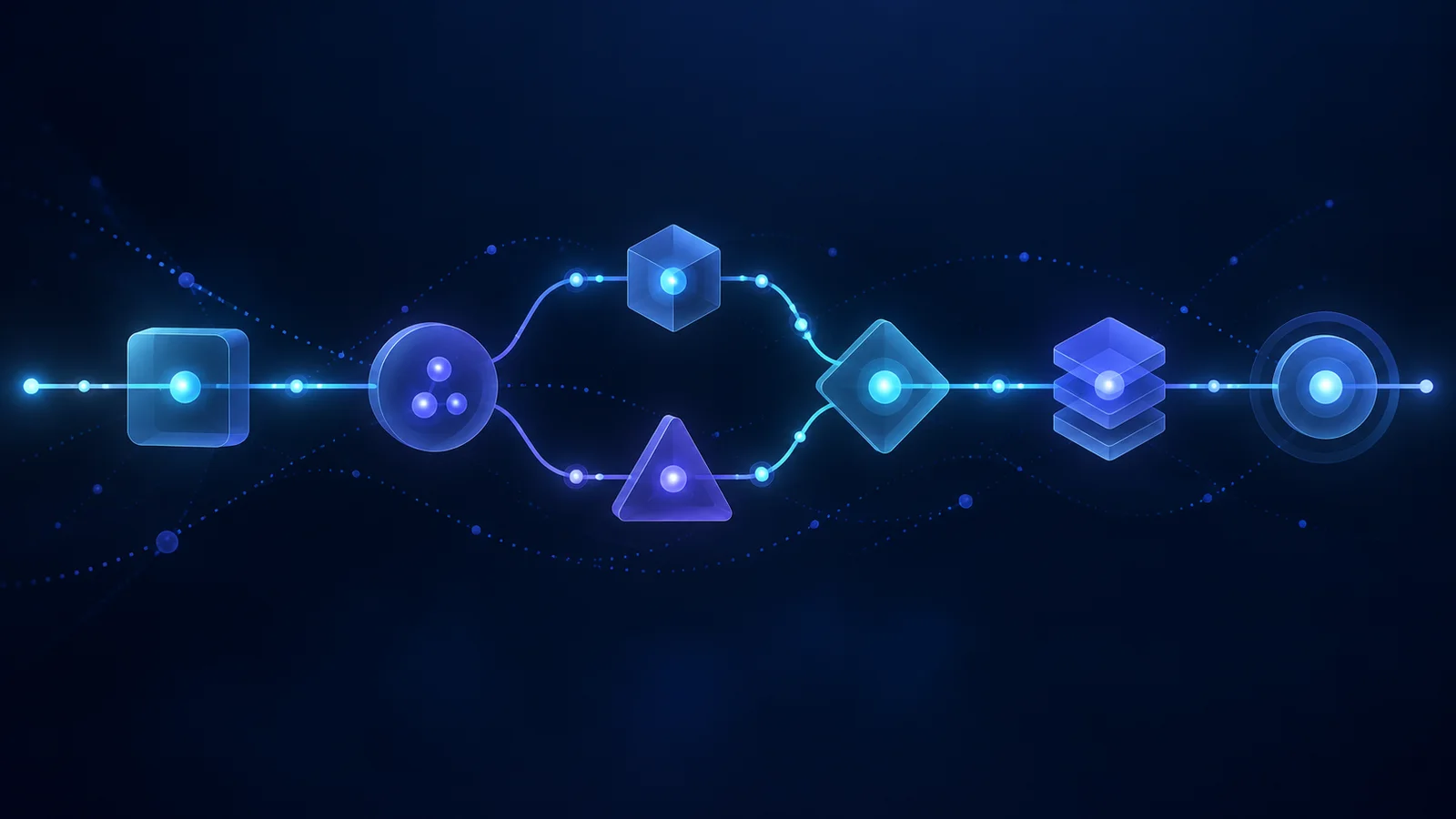
Snowflake says Agent Observability is coming soon to private preview in Observe, adding trace-based debugging, usage and estimated-cost monitoring, and online evaluations for AI-agent and large language model applications. The company did not give an exact preview date, eligibility rules or a general-availability timetable.
In Agent Explorer, teams would be able to inspect multi-step agent workflows, including prompts, model completions, retrieved context, tool calls and retries. Snowflake says Observe will turn those traces into latency, error, token-usage and estimated-cost signals, providing cost-governance context for comparisons among agents, models and workflows.
Snowflake also plans to offer an optional SDK that it describes as OpenTelemetry-compliant. OpenTelemetry is a vendor-neutral framework for collecting and exporting telemetry. Customers could instead keep existing instrumentation or instrument custom frameworks, then send traces to Observe through an OpenTelemetry Protocol endpoint. Snowflake says the SDK follows emerging OpenTelemetry generative-AI semantic conventions, captures prompts, completions, retrievals, tool calls, token usage and session IDs, and has been tested with LangChain, the Anthropic Agents SDK and the OpenAI Agents SDK. It did not disclose the tested versions or compatibility limits.
For quality monitoring, Snowflake says Observe will run online LLM-as-judge evaluations against production traces and flag hallucinations, guardrail failures and poor responses. Evaluation results would link back to spans and traces, while offline evaluation results could be ingested as traces or metrics. Teams would also be able to query traces, metrics and online evaluation results through APIs.
For storage, Snowflake says Observe stores spans as events and queries them by trace ID and conversation ID. That model is intended to keep late-arriving spans and long pauses attached to the same interaction. The company also says supported telemetry can remain in Apache Iceberg tables while compatible engines access the same data through an open REST catalog. It claims the platform’s cloud object storage and separation of storage from compute can support high-volume event data and cost-effective retention, but the announcement provides no benchmark, pricing or quantitative comparison to substantiate those claims.
The company says customers could correlate agent behavior with measures including resolution rates, conversion, revenue, task completion and employee productivity. It did not provide customer results demonstrating those outcomes. The announced Observe capability is distinct from AI Observability in Snowflake Cortex, which became generally available in July 2025. Snowflake labels the new Agent Observability capabilities as forward-looking and says they are not a commitment to deliver a product offering and may change.
More news

Anthropic opens Claude Duet preview to US Pro and Max users
Action State releases open-source receipts for AI-agent actions
Snowflake puts 18 Horizon Context connectors in public preview