SpaceX Reportedly Seeks $40 Billion in Debt to Buy Nvidia Chips
SpaceX is reportedly discussing a $40 billion debt package to fund Nvidia chip purchases, adding a proposed borrowing mechanism to its rapid AI-compute expansion.
SpaceX is reportedly talking with banks and investors about borrowing roughly $40 billion to buy Nvidia chips. The early-stage discussions could open a new funding route for the company’s AI-compute expansion, though they may not produce a completed deal.
The proposed borrowing is separate from SpaceX’s existing AI spending. In second-quarter results filed with the SEC, SpaceX said AI-segment capital expenditure reached $15.828 billion in the quarter ended June 30, up from $749 million a year earlier. It also said it completed a separate $25 billion investment-grade senior-note issuance on June 26.
The talks are also distinct from a Google cloud-service agreement disclosed in a SpaceX prospectus. Under that agreement, Google is scheduled to pay $920 million per month from October 2026 through June 2029 for access to about 110,000 Nvidia GPUs and related components, subject to delivery and termination provisions. That agreement sells access to SpaceX compute capacity rather than financing new chip purchases.
In August, Nvidia and Apollo announced compute-financing platforms intended to mobilize more than $500 billion in third-party capital over time for Nvidia customers. The announcement did not identify SpaceX, and the available reporting does not establish whether the proposed package would use those platforms.
The reports do not identify which Nvidia chip models SpaceX would buy. DataPhoenix’s coverage of Sea’s planned Vera Rubin adoption offers context on a separate next-generation Nvidia deployment; it is not connected to the reported SpaceX financing.
More news

NVIDIA Vera Rubin NVL72 debuts in MLPerf Inference v6.1 as a Preview system

NVIDIA says DSX boosted Lambda’s Blackwell throughput 24% within a fixed power budget
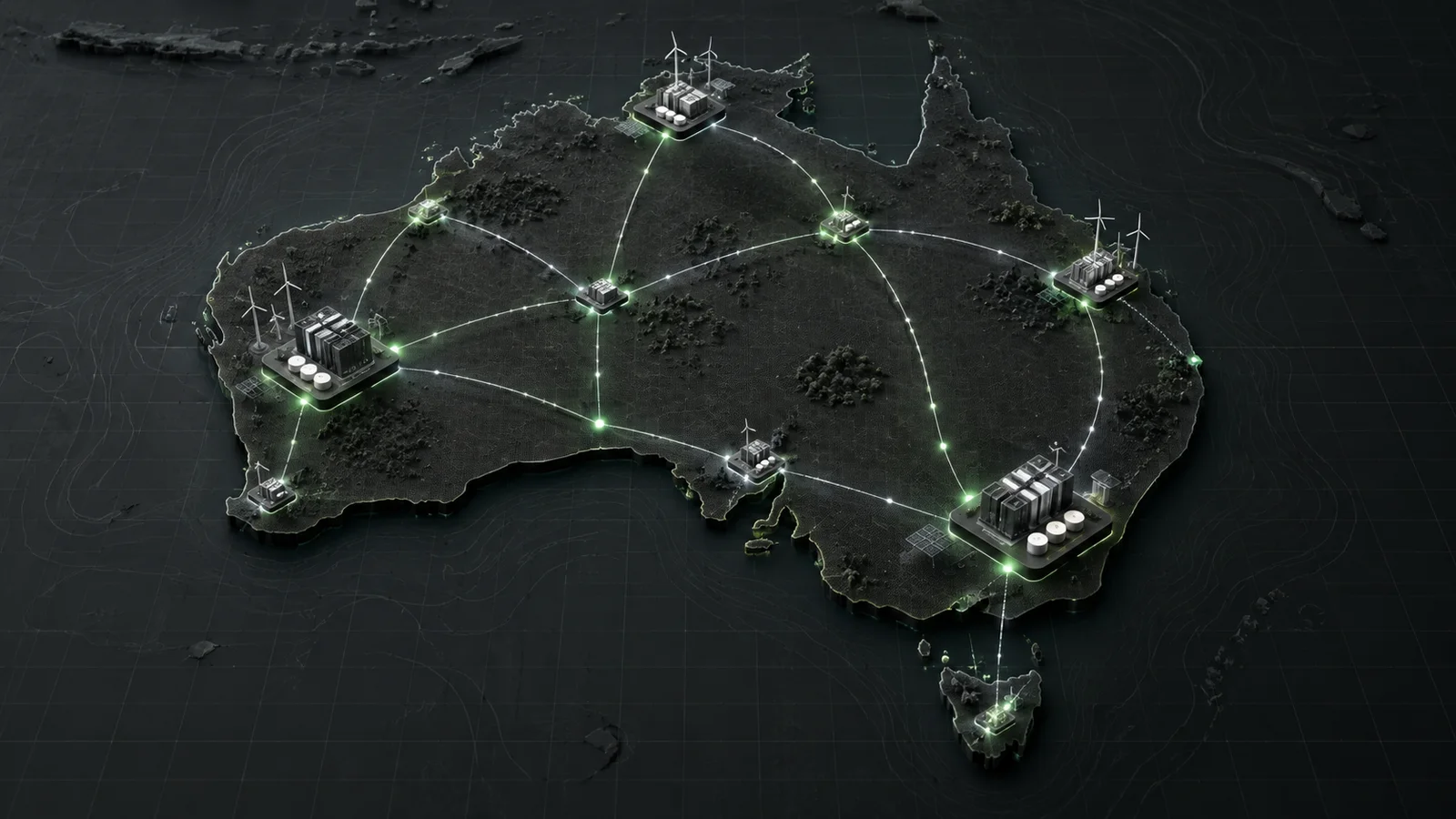
NVIDIA and Australian partners target up to 2GW of DSX AI factories by 2027