Sparse Data Foreseeing Laboratory Quakes
A special machine-learning concept created for sparse data reliably predicts fault slip in laboratory earthquakes [https://phys.org/news/2021-12-sparse-lab-quakes.html]. This can be essential for predicting fault slip and potentially earthquakes in the industry. The recent study by a Los Alamos National Laboratory team has evolved on their previous success using data-driven approaches that worked for slow-slip events in Earth but came up small on large-scale stick-slip faults that generated rel
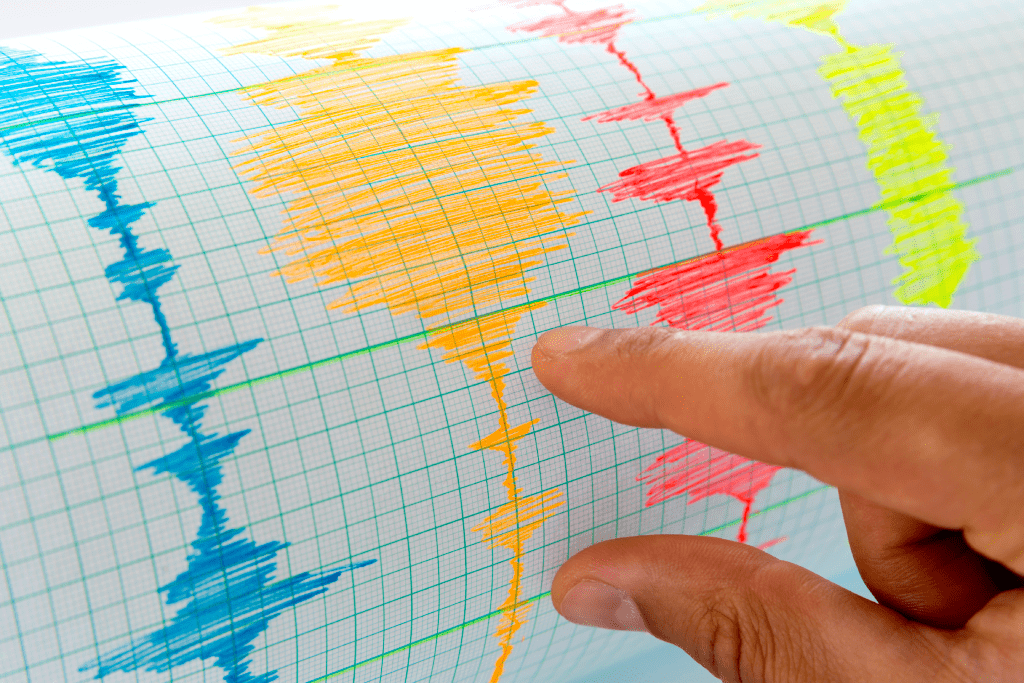
A special machine-learning concept created for sparse data reliably predicts fault slip in laboratory earthquakes. This can be essential for predicting fault slip and potentially earthquakes in the industry. The recent study by a Los Alamos National Laboratory team has evolved on their previous success using data-driven approaches that worked for slow-slip events in Earth but came up small on large-scale stick-slip faults that generated relatively little data and massive quakes.
The team trained a convolutional neural network on the output of numerical simulations of laboratory moves, as well as on a limited set of data from lab experiments. Therefore, they were able to foresee fault slips in the remaining unseen lab data.

An entrepreneur with over a decade of experience in AI, Cloud, and HPC. He is currently a DevOps Architect and the founder of Data Phoenix, an influential media voice for the AI industry, with a strong focus on community building and open source.
More news

Study: Some personal AI agents steer wealthier personas toward pricier options

Databricks adds Workday Data Connect federation to Unity Catalog

Google Cloud introduces a universal Gemini agent for enterprise work