Taiwan detains Super Micro and Albatron staff in first Nvidia chip-diversion probe
A Taiwan court detained two Super Micro managers and an Albatron vice president on July 1 in the island's first criminal case over Nvidia chip diversion to China.

Taiwan’s Keelung District Court detained three technology executives on July 1 in the island’s first criminal probe into the diversion of Nvidia chips to China. Those held are two Super Micro Taiwan managers, surnamed Wang and Lin, and an Albatron Technology vice president surnamed Lu.
The case marks a shift in how Taiwan, the center of advanced-chip manufacturing, polices where its output ends up. Because the island has no domestic statute criminalizing AI chip exports to China, prosecutors are relying on document-forgery and breach-of-trust charges rather than an export-control law. The charges are tied to roughly NT$700 million, about $22 million, worth of advanced Nvidia chips allegedly routed toward China, Hong Kong and Macau. Investigators raided Super Micro’s Taiwan office and other sites on June 29 and 30, weeks after a May 20 search of premises tied to three other workers turned up 50 AI servers built on Nvidia’s GB300 chips.
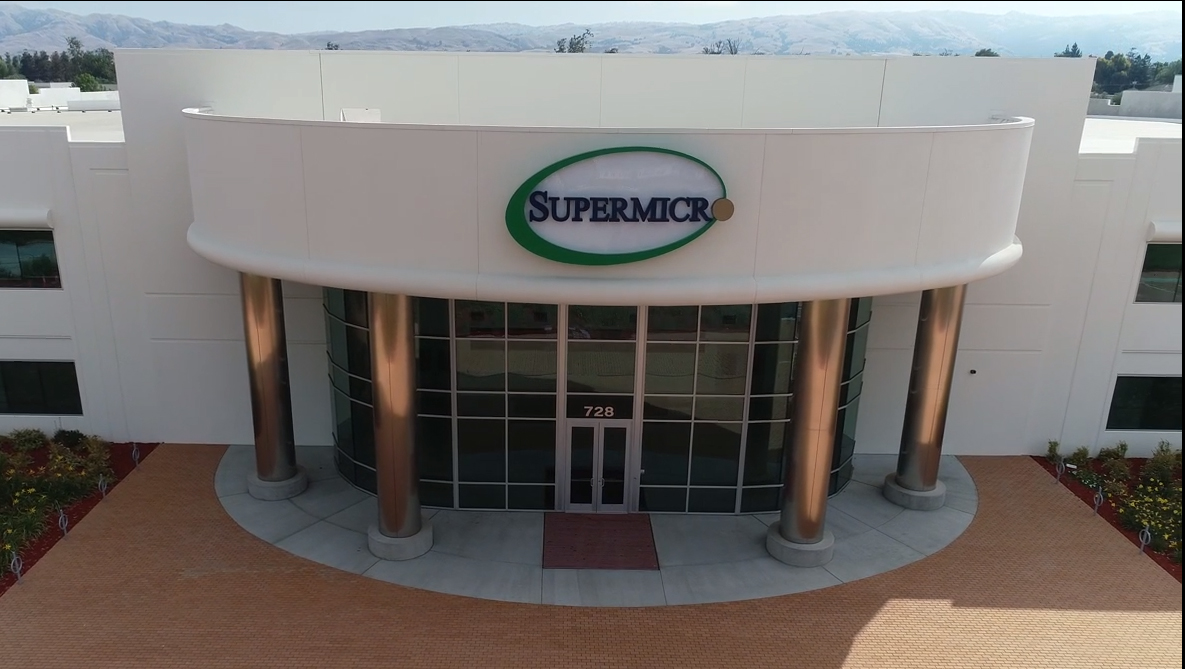
Super Micro Computer, the US server maker, said in a July 1 statement on its own newsroom that “the relevant authorities have confirmed that Supermicro is not a target of this investigation,” and that the company has “zero tolerance for anyone who violates the law or our internal policies.” Super Micro said it placed four questioned employees on administrative leave. The company statement frames the detentions as an individual-conduct matter rather than a corporate one.
That distinction is unproven at this stage: detention in Taiwan is an investigative step, not a conviction, and prosecutors have not filed formal charges. It is also the second smuggling matter to touch the company this year. In March 2026 the US Justice Department separately indicted three people tied to Super Micro, including a co-founder, over an alleged $2.5 billion chip-smuggling scheme.
The pressure point to watch is legislative: whether Taiwan moves to write a dedicated chip-export statute, or keeps prosecuting diversion cases through forgery and fraud charges that were never designed for them.

An entrepreneur with over a decade of experience in AI, Cloud, and HPC. He is currently a DevOps Architect and the founder of Data Phoenix, an influential media voice for the AI industry, with a strong focus on community building and open source.
More news
Taiwan detains Super Micro staff in widening Nvidia chip smuggling probe
Dmytro Spodarets·Jul 2, 2026
Former Groq shareholders challenge $20 billion Nvidia licensing deal

US charges California tech executive in alleged $300 million AI-server smuggling scheme